
Butterfly numbers are dropping but here are five species you may see more of
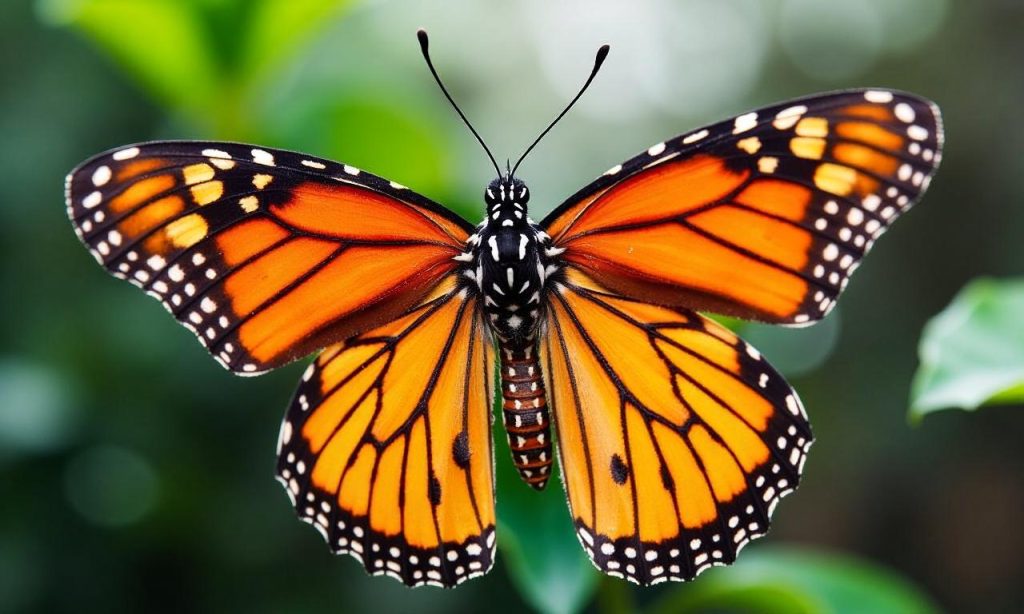
Butterfly Populations in Decline, Yet Five Species Show Growth
Over the past five decades, the UK has seen a mix of outcomes for its butterfly species. While climate change has contributed to warmer and sunnier conditions, helping certain species thrive, the broader trend indicates a significant decrease in population for many iconic butterflies. These findings stem from the UK Butterfly Monitoring Scheme (UKBMS), a major citizen science initiative that has amassed over 44 million records from 782,000 volunteer surveys since 1976.
According to the scheme, 33 out of 59 native butterfly species have experienced declines, with 25 showing improvement. One species, a mountain-dwelling type, lacks sufficient data for assessment. The report highlights how some butterflies are adapting to the changing climate, with examples like the Red admiral now overwintering in the UK and Comma butterflies rebounding in numbers.
Orange tip populations have risen by more than 40% since 1976, and the Black hairstreak, once among the country’s rarest, is showing signs of recovery due to targeted conservation efforts. The Large Blue, which was declared extinct in 1979, has also rebounded, thanks to habitat restoration. However, this success contrasts sharply with the struggles of specialist species that depend on niche environments such as woodland clearings or chalk grasslands.
A Growing Divide in Adaptability
Experts note a widening gap between adaptable butterflies and those with more specific habitat needs. Species that can survive in varied settings—from farmland to urban gardens—are generally holding their own or increasing. Warmer temperatures are believed to enhance their survival rates and expand their geographic reach. Yet specialists are dwindling as their habitats shrink from agricultural intensification and environmental degradation.
“Butterflies that thrive across different environments have benefited from warmer conditions, allowing them to extend their ranges and breeding seasons,” explains Prof Jane Hill, a butterfly expert at the University of York.
Prof Hill also describes the UKBMS data as a “gold standard” for wildlife research, emphasizing its reliability and global significance. She highlights how butterflies, being cold-blooded, are particularly sensitive to temperature shifts, enabling them to move northward into regions like northern England and Scotland.
Conversely, species tied to precise ecosystems are facing severe challenges. The white-letter hairstreak, for instance, has plummeted by 80% since the survey began, while the pearl-bordered fritillary has declined by 70%. Even among adaptable species, there are exceptions—like the small tortoiseshell, which has dropped by 87% in numbers.
“Just as traditional skills and family-run shops are vanishing from our high streets, so too is the diversity of butterfly communities in simplified landscapes,” said Prof Richard Fox, head of science at Butterfly Conservation.
The vast dataset underscores the dedication of volunteers, who have collectively walked over 932,000 miles across more than 7,600 sites. Steve Wilkinson, director of the Joint Nature Conservation Committee, notes that this continuous effort is vital for tracking conservation progress. “Without this evidence timeline, we’d be flying blind,” he remarked.
Conservation strategies focus on preserving and expanding habitats, especially as land-use changes threaten ecosystems. Some butterflies, like the Duke of Burgundy, rely exclusively on primroses and cowslips, while others, such as the purple emperor, depend on specific willows. Efforts like Butterfly Conservation’s Magdalen Hill Downs reserve aim to maintain diverse habitats to support these delicate food preferences.