
Big lessons the US can learn from a country with one of the fastest-growing lifespans
Big Lessons the US Can Learn from a Country with One of the Fastest-Growing Lifespans
Big lessons the US can learn – When it comes to extending life expectancy, South Korea has emerged as a global leader, offering valuable insights for the United States. This distinction is not accidental but the result of systemic changes in lifestyle, education, and healthcare. As journalist Kara Swisher delves into the world of longevity in her CNN Original Series, the fifth episode reveals how a nation with a population that has seen a remarkable surge in lifespan could serve as a blueprint for healthier living.
From Average to Exceptional: A Shift in Health Priorities
South Korea’s progress in public health is undeniable. In the 1980s, the country ranked roughly average in life expectancy among developed nations. But over the past few decades, a significant 7.94-year increase between 2000 and 2021 has placed it at the forefront. This transformation is attributed to a combination of proactive policies and cultural shifts that prioritize wellness from an early age.
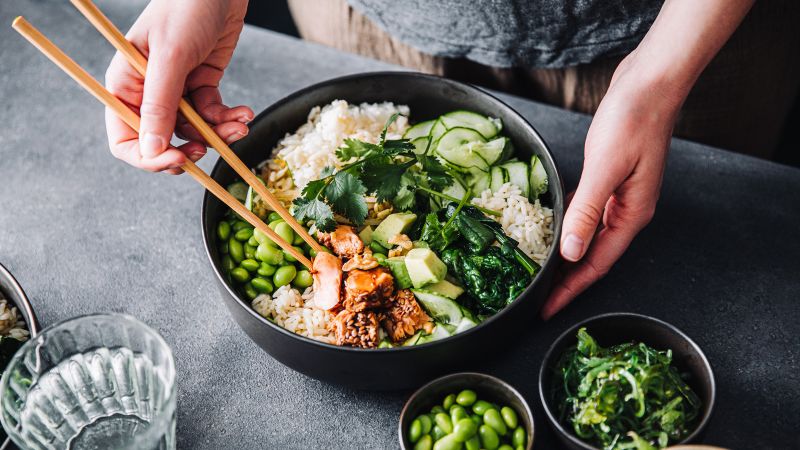
One of the most striking examples of this approach is the school lunch program. During a visit to a South Korean elementary school, Swisher observed students’ meals, which included lettuce wraps, radish-chive salad, and seasonal fruits. These choices were not random but carefully curated by school nutritionists to meet specific dietary guidelines. Yeonju Kim, a specialist in this program, explained how these meals are designed to educate as much as nourish, embedding healthy habits into daily routines.
Healthy Eating Habits: A Cultural and Institutional Push
While American parents often struggle to get their children to eat vegetables and fruits, South Korea’s system ensures that healthy options are always available. A 2023 report from the Centers for Disease Control and Prevention found that nearly half of children aged 1 to 5 in the U.S. miss out on daily vegetables, and a third skip fruits altogether. This trend continues into adulthood, with almost half of American adults following a diet that falls short of optimal health standards, as highlighted by a 2025 study.
Comparing dietary patterns, the U.S. relies heavily on processed foods, whereas South Korea’s approach emphasizes fresh produce, whole grains, and balanced proteins. Diets like the MIND and Mediterranean models—both associated with longevity and cognitive health—reflect this philosophy. These eating patterns, rich in fruits and vegetables, have been linked to a reduced risk of age-related cognitive decline and a longer life. The question remains: why does this difference matter so much?
Swisher’s conversations with South Korean families and experts shed light on the cultural underpinnings of these habits. Many households are structured around preparing meals that align with nutritional guidelines, and schools play a crucial role in reinforcing these practices. The integration of education and nutrition in daily life demonstrates how small, consistent changes can yield significant long-term benefits.
Activity and Social Engagement: Keys to Cognitive Vitality
Beyond diet, South Korea’s focus on physical activity and social interaction stands out. Dr. Geon-Ha Kim, a neuroscientist at Ewha Womans University Medical Center, noted that these factors are critical for maintaining cognitive function in older adults. Known as “SuperAgers,” these individuals exhibit mental sharpness typically seen in people decades younger, and their lifestyle choices often include regular exercise, meaningful social connections, and mentally stimulating activities.
Swisher explored these habits through her interactions with Park Mak-rye, a 79-year-old social media influencer who shares insights into her wellness routine. Park’s regimen includes not only nutritious cooking and skincare practices but also a commitment to staying active and socially engaged. “I’m with friends laughing all day. There’s no room for sickness,” she said, encapsulating the South Korean ethos that values community and movement.
Research supports this perspective. A 2023 study found that regular exercise, which elevates heart rate and breathing, can reduce the risk of early death by up to 40%. Conversely, those experiencing social isolation or loneliness face a 32% higher chance of premature mortality. Additionally, recent findings suggest that participation in arts and cultural activities may slow the aging process, further underscoring the importance of holistic well-being.
Healthcare as a Preventive System
South Korea’s healthcare model also contributes to its longevity success. Unlike the U.S., where medical professionals are often rewarded for treating diseases, the South Korean system encourages early intervention and prevention. Hieun Shin, a journalist with Agence France-Presse, highlighted this contrast, noting that South Koreans frequently visit healthcare providers for minor issues like a cold or back pain, treating them as opportunities for early detection rather than waiting for symptoms to escalate.
“No one wants to pay for prevention,” remarked Dr. Karen Studer, chair of the preventive medicine department at Loma Linda University. In the U.S., physicians are reimbursed heavily for procedures like heart bypass surgery but receive minimal compensation for addressing lifestyle factors that could prevent such conditions. This disparity creates a system where proactive care is often overlooked in favor of reactive treatment.
Swisher emphasized that this difference in healthcare philosophy is part of a broader cultural shift. In South Korea, health is viewed as a collective responsibility, with government policies and community practices reinforcing this mindset. From early childhood education to adult healthcare, the emphasis on prevention and early action has cultivated a society that values long-term vitality.
As the U.S. grapples with rising healthcare costs and declining life expectancy, the lessons from South Korea offer a clear path forward. By integrating nutrition education into daily life, promoting physical and mental engagement, and prioritizing preventive care, Americans can adopt strategies that not only extend their lifespan but also enhance the quality of their later years. The journey to longevity begins with small, consistent choices—and South Korea’s example proves that these choices can make a profound difference.
Ultimately, the story of South Korea’s health success is not just about individual effort but about systemic support. From the school nutritionists who guide young minds to the healthcare professionals who emphasize early care, the nation has built a framework that nurtures well-being at every stage of life. As Swisher’s series continues, it invites viewers to reconsider how their own habits and policies might be reshaped to achieve similar outcomes.