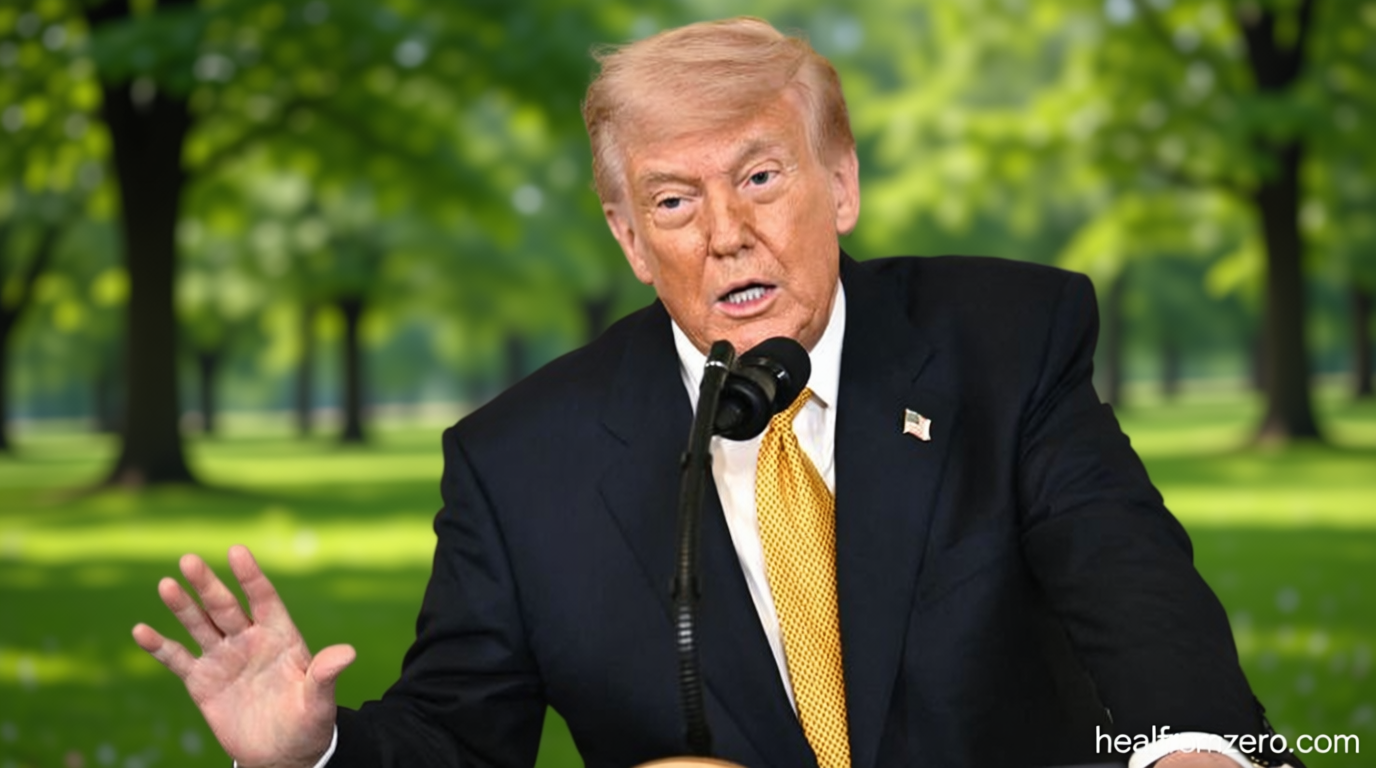
Sam Bankman-Fried asks Trump for a pardon

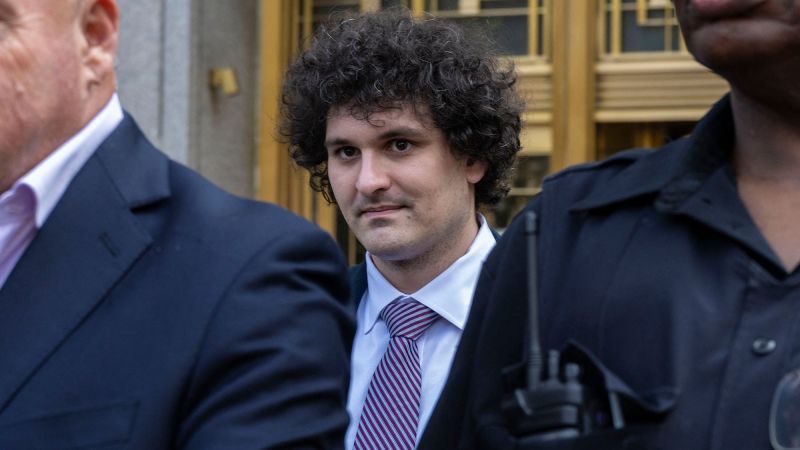
Sam Bankman-Fried Seeks Presidential Pardon from Trump
Sam Bankman Fried asks Trump – Former cryptocurrency billionaire Sam Bankman-Fried has formally requested a presidential pardon from Donald Trump, as revealed by the Justice Department’s website. The 34-year-old, who once stood as a symbol of crypto innovation, now finds himself at the center of a major legal and political development following his 2024 conviction for financial fraud. His application for a “pardon after completion of sentence” was first reported by Bloomberg, marking a significant shift in his public stance and raising questions about the potential influence of political favor on legal outcomes.
A Rise and Fall in the Crypto World
Bankman-Fried’s journey from a young tech prodigy to a convicted fraudster is a tale of meteoric success and swift collapse. He co-founded FTX, a crypto exchange that once soared to a valuation of $32 billion, making him a household name in the blockchain industry. However, the empire began to crumble in late 2022 when the company filed for bankruptcy amid billions in withdrawals, sending shockwaves through the global cryptocurrency market. The crisis was fueled by allegations that Bankman-Fried had misused customer funds, directing them to his affiliated hedge fund, Alameda Research, for speculative investments and personal expenses.
Prosecutors accused him of orchestrating a vast scheme of wire fraud, securities fraud, and conspiracy to launder money. These charges, which led to a 25-year prison sentence in 2024, underscore the gravity of his actions. Judge Lewis Kaplan emphasized the risk posed by Bankman-Fried, stating that the conviction was necessary to prevent future harm. The judge also ordered him to forfeit over $11 billion in assets tied to the fraud, highlighting the scale of the financial loss suffered by investors and clients.
The Pardon Request and Its Implications
While serving his sentence, Bankman-Fried has publicly aligned himself with the Trump administration, a stark contrast to his earlier role as a top Democratic fundraiser. His recent pardon application, submitted in 2026, seeks to restore civil liberties such as the right to vote and serve on a jury once his prison term is completed. The Justice Department’s website outlines that this type of pardon would not erase his conviction but would alleviate some of the legal restrictions imposed on him, including barriers to employment, housing, and education.
“I absolutely want a presidential pardon,” Bankman-Fried stated during an interview with Fox Business. This comment, shared publicly on Monday, reflects his current desire to have his record expunged and his reputation rehabilitated. The application, though not dated, signals a strategic move to leverage political connections and potentially mitigate the long-term consequences of his legal troubles.
Despite his request, the White House has yet to confirm or deny its support. A spokesperson declined CNN’s inquiry, citing the January New York Times interview in which Trump explicitly stated he would not pardon Bankman-Fried. This contradiction leaves the fate of the request uncertain, as the former president’s influence on the pardon process remains a key factor in the decision.
Political Realignment and Public Perception
Bankman-Fried’s political trajectory has undergone a notable transformation. Once a staunch advocate for Democratic causes, he donated millions to progressive campaigns during his rise to prominence. However, his current social media endorsements of Trump suggest a recalibration of priorities, possibly driven by the need to secure a favorable legal outcome. This shift has sparked debate about the role of political allegiance in shaping legal pardons and the potential for bipartisan support in high-profile cases.
The pardon request also highlights the intersection of finance and politics in modern America. As a CEO who wielded immense wealth and influence, Bankman-Fried’s actions had far-reaching consequences, not only for his business empire but for the broader trust in the financial sector. His case has become emblematic of the risks associated with unchecked power in the crypto industry, which has often operated with less regulatory oversight than traditional banking systems.
A Historic Legal Controversy
Bankman-Fried’s conviction in 2024 marked a turning point in the crypto era, with the case serving as a cautionary tale for entrepreneurs and investors alike. The charges against him included conspiracy to defraud, wire fraud, and violations of securities laws, all of which were tied to his alleged manipulation of FTX’s finances. The trial exposed the complexities of a system where regulatory bodies and legal institutions grapple with the rapid evolution of digital currencies and their impact on global markets.
As of now, the Justice Department has not disclosed the exact timeline of the pardon application, though sources indicate it was submitted sometime in 2026. This delay has allowed for speculation about the motivations behind his request and the potential for political intervention. With Trump’s presidential term ending in January 2025, the timing of the application raises questions about whether it was filed under the previous administration or as a strategic move to capitalize on Trump’s lingering influence in the political landscape.
Broader Implications for the Pardon Process
The case has drawn attention to the broader implications of presidential pardons in the justice system. While pardons are meant to provide clemency, they also raise concerns about the balance of power between the executive branch and the judiciary. Bankman-Fried’s request adds a new layer to this discussion, as it involves a prominent figure whose financial decisions affected millions of users and investors worldwide.
His application also reflects the growing trend of high-profile individuals seeking political favors to navigate legal challenges. The intersection of personal wealth, corporate influence, and political connections underscores the complex dynamics at play in cases like Bankman-Fried’s. As the pardon process unfolds, it will be crucial to examine how such decisions impact public trust in the legal system and the role of the presidency in shaping justice.
With the Justice Department and the White House now in the spotlight, the outcome of Bankman-Fried’s pardon request could set a precedent for future cases. Whether it is granted or denied, the decision will undoubtedly influence the perception of both the individual and the administration he is seeking to aid. As the legal and political realms continue to intersect, the saga of Sam Bankman-Fried remains a defining moment in the ongoing story of cryptocurrency’s rise and fall.