Gas and airfare prices have jumped. Americans are traveling this weekend anyway

Gas and Airfare Prices Have Jumped. Americans Are Traveling This Weekend Anyway
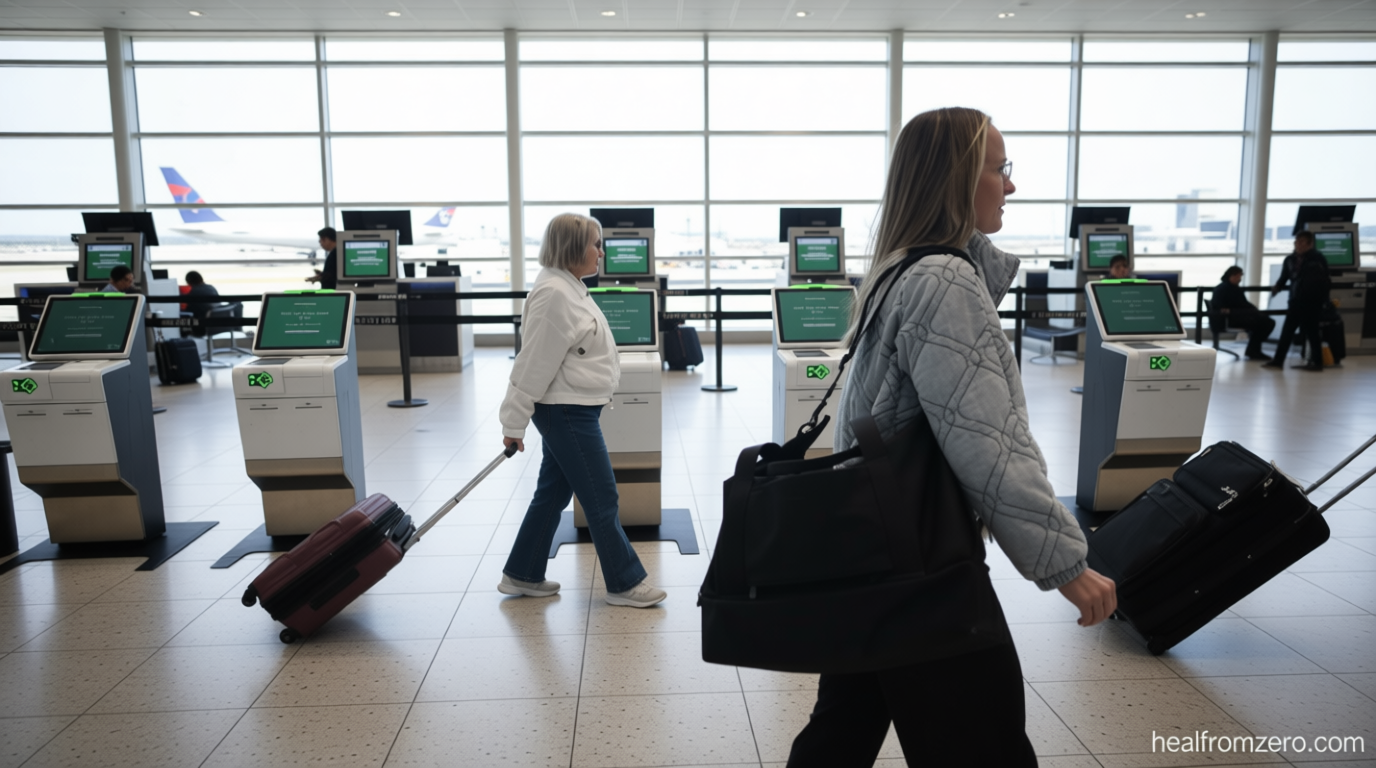
Gas and airfare prices have jumped – Despite soaring fuel and flight costs, a surge in travel activity is being observed across the United States this Memorial Day weekend. According to data from AAA, an unprecedented number of individuals are embarking on journeys, whether by car or plane, to enjoy the holiday. The organization estimates that 45 million Americans will travel at least 50 miles from their homes, surpassing last year’s record of 44.8 million. This trend indicates that rising prices are not deterring people from hitting the roads or skies, even as expenses climb.
Travelers Pay the Price, But Still Set Out
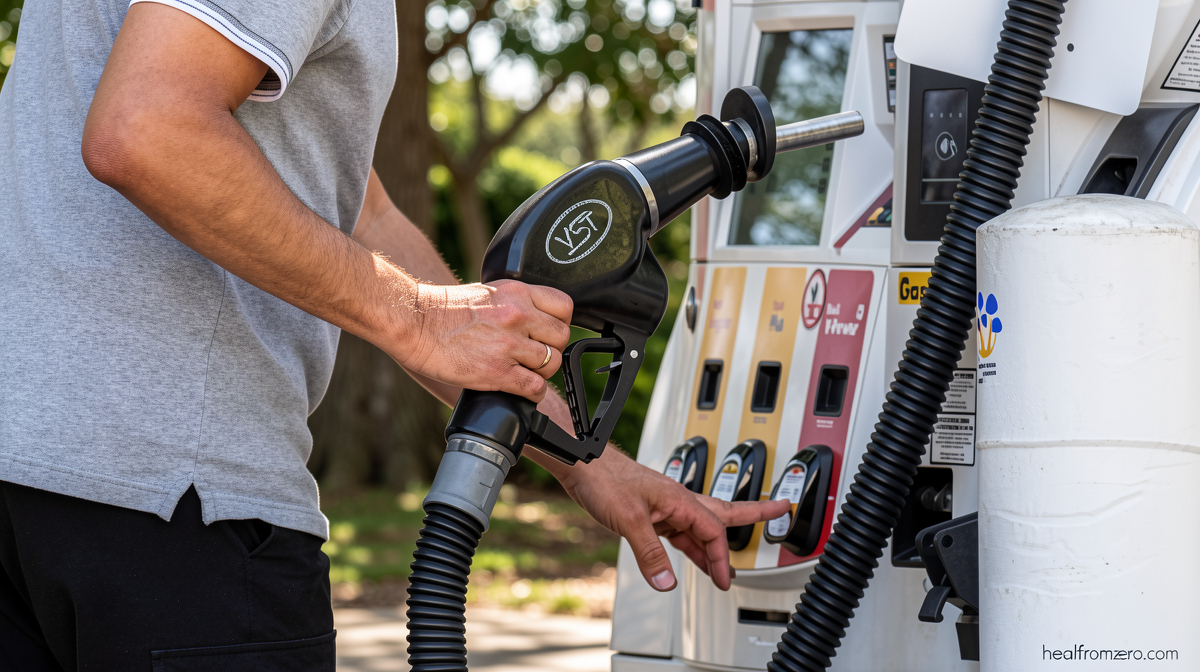
James Smith, a traveler flying to Newark, New Jersey, for a weekend with friends, shared his perspective with CNN. “When it comes to travel, it’s one of the only things I’ll treat myself on,” he said. Smith’s round-trip ticket from New Mexico to the Jersey shore cost him $550, a reflection of the current pricing environment. This isn’t an isolated case. Travel booking platforms and airline data reveal that airfares have surged by over 20% compared to last year, with national gas prices averaging $4.55 per gallon as of Friday. This marks a $1.38 increase from the previous year and a 53% rise since the onset of the Iran war, underscoring the financial pressure on everyday expenses.
“When it comes to travel, it’s one of the only things I’ll treat myself on,” James Smith told CNN. Smith spent $550 to fly from New Mexico to Newark, New Jersey, for a holiday weekend with friends at the Jersey shore.
Adam Sacks, president of Tourism Economics, a division of Oxford Economics, noted that the continued demand for travel is less surprising than it might seem. “Survey data is indicating there’s a lot of concern about gas prices,” he explained. “But there’s a disconnect between how people feel and how they act.” This suggests that while many are aware of the price hikes, their actions remain unchanged. Sacks further highlighted that historical patterns show gas price spikes alone haven’t reduced travel without additional factors, such as economic downturns or shifting consumer priorities.
Adjustments in Travel Plans to Mitigate Costs
As travel costs remain high, some individuals are making strategic adjustments to their itineraries. Laura Lee Blake, CEO of the Asian American Hotel Owners Association, observed that travelers might be skipping overnight stays to save money. The association’s 20,000 members, predominantly of South Asian descent, own approximately 60% of U.S. hotels, making their insights particularly relevant. Blake suggested that people might opt to stay with friends or relatives during their trips, rather than booking accommodations, to cut down on expenses.
“Travelers maybe skip an overnight stay to save money,” Laura Lee Blake said. “Maybe they visit family members along the way, or they stay with friends instead of booking a hotel.”
Frantz Simon and his family are one such example. They’re making a 12-hour drive from Long Island to Georgia for his grandson’s high school graduation, bypassing the need for overnight lodging. “It’s a family outing,” Simon said, emphasizing that the event is worth the effort despite the expense. By driving straight through in one day, they can reduce costs while still achieving their goal. This approach reflects a broader trend where families prioritize meaningful events over financial savings.
Meanwhile, Connie Lear, who manages rental reservations for 42 units in June Lake, California, near Yosemite National Park, reported that some of her regular renters are shortening their stays. “Instead of doing seven days, they’re doing five or four,” she said. This shift suggests that even among those who typically travel, the pressure to save money is leading to more flexible planning. Lear’s experience highlights how the hospitality sector is adapting to changing consumer behaviors in response to economic conditions.
Strategic Use of Rewards to Offset Expenses
John Mercagliano, a resident of a Philadelphia suburb, decided to forgo his original plan to vacation in London with friends due to the high cost. Instead, he’s using American Airlines miles to fly to Arizona, where his friends reside. “I considered not traveling at all, but I wanted to see them, and I didn’t want to do nothing at all,” he said. This move demonstrates how travelers are leveraging loyalty programs and rewards to mitigate the financial impact of rising prices, ensuring they can still connect with loved ones without additional out-of-pocket expenses.
While the overall number of travelers remains robust, there are signs of cautious behavior in certain sectors. For instance, the demand for hotel stays appears to be softening. Sacks pointed out that leisure hotel spending is often driven by individuals with higher incomes, and more than half of that spending comes from those earning $150,000 or more annually. This implies that those with more financial flexibility are still committing to travel, even as others trim their budgets. However, the overall impact on the industry is mixed, with some segments experiencing reduced bookings.
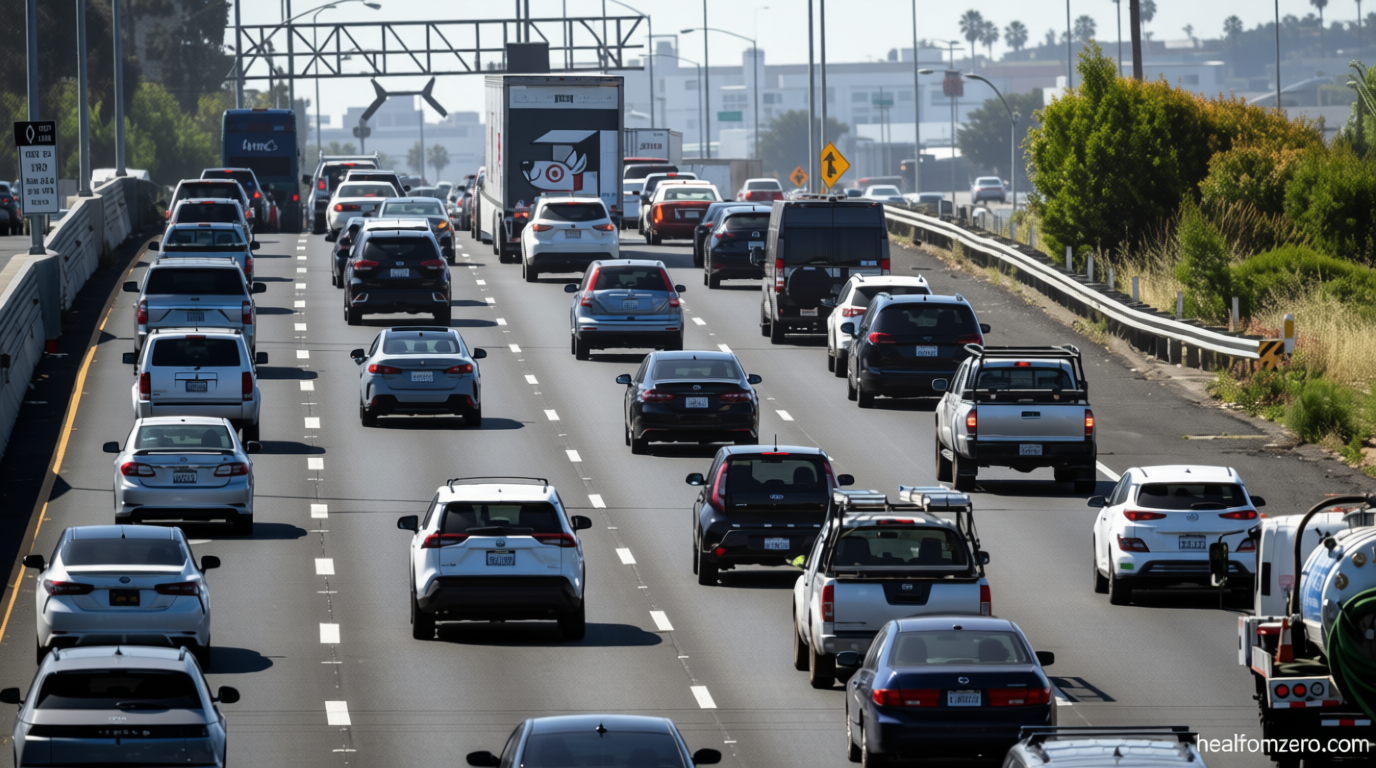
Despite these adjustments, the collective spirit of celebration and connection seems to outweigh the financial concerns for many. Whether through carpooling, staying with family, or utilizing reward points, Americans are finding ways to navigate the rising costs and make the most of their holidays. As the weekend unfolds, the roads and airports will remain crowded, a testament to the enduring appeal of travel in the face of economic challenges.
Looking ahead, the balance between cost and convenience will continue to shape travel decisions. While gas and airfare prices have set new records, the resilience of the travel industry suggests that people will keep moving, adapting, and seeking out experiences that matter most. This weekend’s activity could serve as a barometer for how consumers respond to ongoing inflation and how the sector evolves to meet their needs. As long as the desire to travel remains strong, the market will likely find new ways to support that passion, even in the face of higher prices.