Anthropic suspends all access to Mythos model after US government bans foreign nationals use

Anthropic Suspends Mythos Access Over U.S. Security Ban
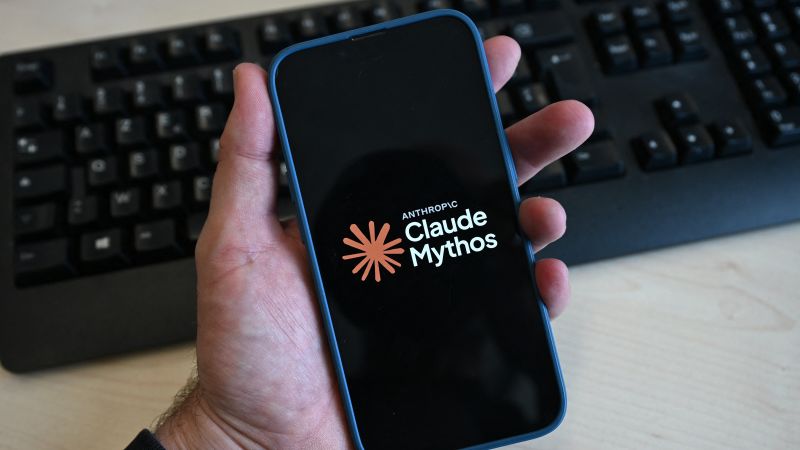
Anthropic suspends all access to Mythos – Following a U.S. government directive, Anthropic has temporarily suspended access to its Mythos model. The decision, announced on Friday evening, was prompted by a new rule from the Commerce Department that bars foreign nationals from using the model. This move aligns with the Trump administration’s broader strategy to regulate advanced AI systems and mitigate risks to national security. The ban highlights growing concerns about AI’s potential to exploit vulnerabilities in critical infrastructure, especially when accessed by entities outside the country.
Reasons Behind the Directive
Anthropic stated that the suspension was based on “national security” risks, citing a technique known as “jailbreaking” that allows users to bypass its internal safety measures. The company acknowledged that the government had demonstrated a method to exploit these weaknesses, which it admits are not exclusive to Mythos but can be replicated by other publicly available models. Despite this, Anthropic emphasized that the ban was a targeted measure rather than a complete restriction, and it has implemented additional safeguards to reduce cybersecurity threats.
“These vulnerabilities are relatively simple, and we have found that other publicly available models can discover them as well,” Anthropic noted in its statement.
Broader Context of the Trump Administration’s Actions
The Mythos access suspension is part of a larger trend of scrutiny by the Trump administration. Earlier this year, Anthropic was blacklisted for its involvement in Pentagon AI projects, labeled as a “supply chain risk” due to its emphasis on safety guardrails in military applications. The company challenged the designation in court, calling it “unprecedented and unlawful,” and won a key victory. However, the White House has continued to collaborate with Anthropic, allowing some federal agencies to use its models despite the restrictions.
Anthropic’s role in drafting the recent executive order on AI further complicates its relationship with the administration. The order requires companies to share advanced models with the government for up to 30 days before releasing them to other partners, a provision that Anthropic believes was added to strengthen the ban on foreign access. The directive reflects a balance between fostering innovation and protecting critical systems from potential threats.
Impact on Anthropic’s Operations
The suspension will limit access to Mythos for foreign nationals, affecting the company’s international workforce and research efforts. Many overseas employees who contribute to the model’s development will now face restrictions, which could slow progress on key projects. Anthropic has not specified the duration of the ban or its plans to appeal the decision, though it remains committed to supporting its customers and defending its stance on the measures’ necessity.
While the ban targets foreign users, Anthropic’s executives have remained engaged with the government. They were invited to a White House ceremony for the executive order’s signing but had to cancel at the last minute, underscoring the tension between the company and the administration. This dynamic has sparked debates about whether the restrictions are justified or if they hinder the global advancement of AI technology.
Future of the Mythos Model
Mythos, Anthropic’s flagship model, was initially released to a select group of partners to safeguard the world’s most critical software. Its widespread adoption with the Fable 5 version has drawn attention for its ability to detect and exploit cybersecurity weaknesses. The suspension now places Mythos at the center of a political debate, with critics arguing that the restrictions may stifle innovation while advocates claim they are essential for national security.
As the situation unfolds, Anthropic will need to navigate the implications of this decision. The company has vowed to continue defending its position, stating that the risks to national security are overstated. Meanwhile, the U.S. government’s focus on limiting foreign access to AI tools signals a potential shift in how advanced technologies are regulated, with Mythos serving as a case study in the evolving landscape of AI policy and international collaboration.