
How Cracker Barrel saved itself
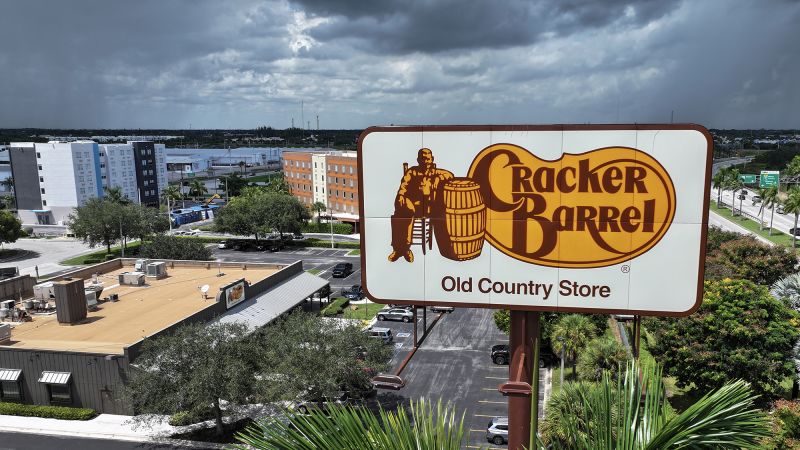
How Cracker Barrel Saved Itself: A Strategic Revival
How Cracker Barrel saved itself – In a remarkable turnaround, Cracker Barrel has demonstrated its ability to reclaim its place in the American dining landscape. The chain’s journey from a controversial rebranding to a strong recovery has sparked widespread discussion within the restaurant sector. CEO Julie Felss Masino, who initially worried the company had lost its cultural relevance, now stands as a testament to the power of reconnecting with core values. Recent financial reports reveal that Cracker Barrel’s efforts to honor its heritage and revitalize its appeal have not only stabilized its performance but also driven a year-to-date stock increase of over 100%.
Rebranding Backlash and a Shift in Direction
Six months ago, the decision to strip away traditional elements of Cracker Barrel’s identity—such as the “old timer” mascot and the iconic souvenir displays—was met with intense public criticism. Masino described the reaction as a “fired by America” moment, emphasizing how the design overhaul alienated longtime customers and disrupted the brand’s nostalgic appeal. The changes, intended to modernize the chain and attract new demographics, inadvertently created a rift between the company and its loyal fanbase.
“What we didn’t see in the data was the way people see themselves in the logo,” Masino shared in a November interview with Glenn Beck. “When the ‘old timer’ and the barrel were gone, it felt like we had taken them out of the experience, and that we weren’t valuing what they valued.”
This backlash was swift and measurable: stock prices fell by as much as 12%, and foot traffic dropped sharply. Even former President Donald Trump joined the conversation, critiquing the new look as a departure from American tradition. These challenges forced Cracker Barrel to reassess its approach, leading to a decisive move to restore its original brand essence.
Restoring Heritage and Customer Confidence
Following the rebranding storm, Cracker Barrel took immediate steps to reverse course. Masino and her team reinstated the classic branding, including the beloved “old timer” character and the iconic red-and-white logo. The decision to abandon the redesigned aesthetic and revert to its roots marked a pivotal moment in the company’s recovery. Additionally, the chain replaced the marketing agency responsible for the initial changes, bringing back a former executive with expertise in menu innovation.
By prioritizing authenticity over modernization, Cracker Barrel reconnected with its loyal customer base. Value meals under $10 and menu staples like country ham, fried catfish, and carrot cake were reintroduced, reinforcing the Southern comfort that defines the brand. These adjustments aimed to bridge the gap between tradition and contemporary tastes, ensuring Cracker Barrel remained a familiar and cherished name in American culture.
Rebuilding Through Loyalty and Community
A key component of the revival has been the strengthening of customer relationships. Cracker Barrel’s loyalty program, which rewards repeat visitors and gathers consumer insights, now accounts for nearly 40% of total sales. With over 12 million participants, the program has become a vital tool for fostering engagement and retaining long-term patrons. This data-driven approach to customer retention aligns with Masino’s vision of creating a more personalized and community-focused dining experience.
Simultaneously, the chain refreshed its gift shops with American-themed merchandise in anticipation of the nation’s 250th anniversary. Masino framed this move as a celebration of patriotism and heritage, further embedding the brand’s identity in its operational strategy. These efforts highlight a broader shift toward honoring Cracker Barrel’s legacy while adapting to evolving market demands.
Analysts Praise the Brand’s Resilience
Industry experts have noted the positive impact of Cracker Barrel’s renewed commitment to its roots. Despite a 6.7% decline in foot traffic during the latest quarter, the chain’s performance has shown steady improvement. Chief Financial Officer Craig Pommells highlighted that this drop was part of a gradual recovery, underscoring confidence in the long-term trajectory of the business.
“The limited-time items and value-focused pricing are perfectly aligned with current consumer trends, while the return of classic favorites has rekindled nostalgia for the brand,” explained R.J. Hottovy, head of analytical research at Placer.ai. “This balance between tradition and innovation is key to Cracker Barrel’s success.”
Robert Byrne of Technomic added that the chain’s focus on service quality, cleanliness, and menu consistency has led to significant gains in customer satisfaction. “Cracker Barrel is seeing measurable improvements in several areas, including order accuracy and value perception,” Byrne noted. These insights reinforce that the company’s revival strategy is resonating with both existing and new customers.
A Future Rooted in Tradition
As Cracker Barrel continues to refine its approach, the emphasis remains on preserving its core identity while embracing strategic evolution. Masino’s leadership has been instrumental in guiding the brand through this transformation, ensuring that its essence—deeply tied to American traditions and Southern comfort—remains intact. The company’s ability to adapt without losing its soul has set a benchmark for other brands navigating similar challenges.
With its loyalty program growing and its menu reaffirming its roots, Cracker Barrel is not just recovering from a rebranding misstep but also redefining its position in the competitive restaurant industry. The chain’s story offers a compelling case study in how a company can turn around its image by valuing its heritage and listening to its customers. As the results continue to roll in, the future of Cracker Barrel looks as strong as its classic Southern staples.