The Great Hydration Break Debate takes over the World Cup

The Great Hydration Break Debate takes over the World Cup
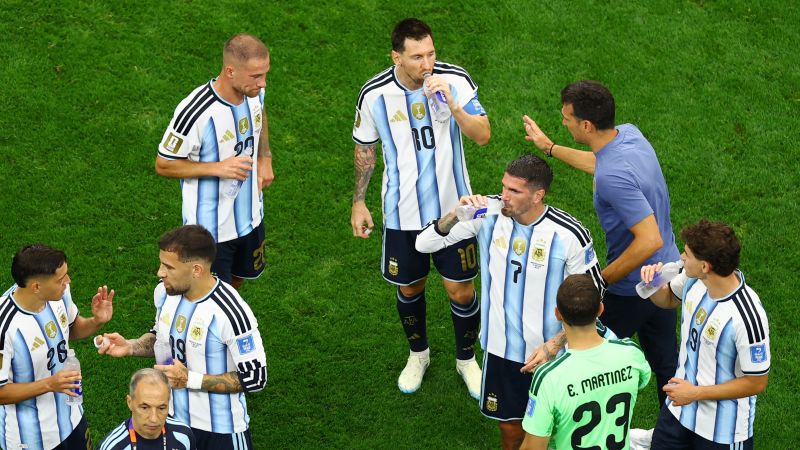
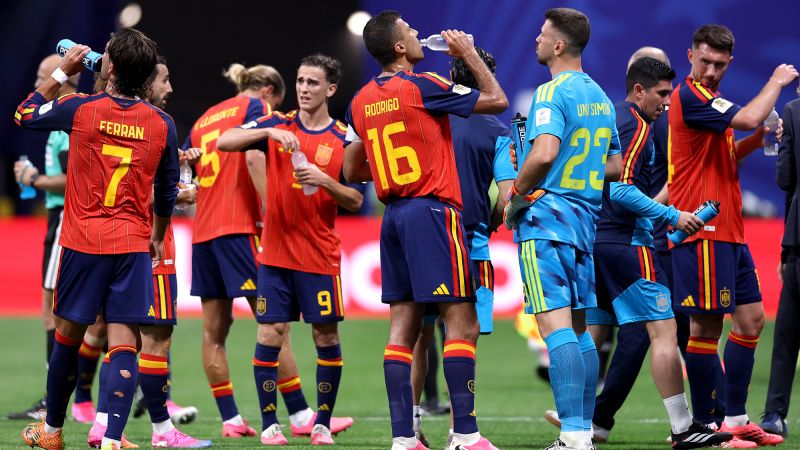
The Great Hydration Break Debate takes – As the World Cup intensifies, a contentious issue has emerged: the mandatory hydration breaks. These pauses, introduced by FIFA, have sparked widespread discussion among fans, players, and analysts. With the tournament already in its seventh day, the debate shows no signs of slowing down. The first week has delivered a mix of thrilling moments—England’s vibrant attack, Portugal’s underwhelming display, and late goals from Colombia and Ghana—yet the most talked-about development remains the hydration breaks. What began as a subtle adjustment has evolved into a major talking point.
Their implementation was initially framed as a practical measure to safeguard athletes from the summer’s harsh conditions. North America’s unpredictable weather, marked by extreme heat and humidity, has placed additional strain on players. FIFA’s decision to insert three-minute stoppages in each half of every match aims to address these challenges. The breaks allow teams to replenish fluids and electrolytes, ensuring optimal performance and reducing the risk of dehydration. According to FIFA, this move aligns with its commitment to player welfare, backed by scientific advisors and medical experts.
“Hydration breaks are a bit interesting,” said Netherlands captain Virgil van Dijk. “Because I was obviously watching almost all the games up until today, and every time going to commercial is a bit, not really how I like it. I think for the neutral watchers on TV, it’s also not great.”
Yet, the debate extends beyond player health. Critics argue that the breaks serve a dual purpose, balancing both athletic and commercial interests. FIFA has emphasized that these pauses are mandatory regardless of environmental factors, a rule that has drawn scrutiny. For instance, the Ghana vs Panama match in Toronto saw the breaks occur despite temperatures hovering around 19°C (66.2°F), a relatively mild condition. This consistency applies even to stadiums with climate-controlled roofs, ensuring all games adhere to the same structure.
Analysts suggest this standardization has effectively transformed matches into four-quarter segments, a format familiar to US sports fans. The change has created new opportunities for broadcasters, with networks like FOX leveraging the breaks to insert advertisements. In the Mexico-South Africa opener, viewers noted that FOX missed critical moments of play during the interruptions, raising concerns about the disruption to the game’s natural rhythm. For FIFA, this commercial potential is a key benefit, especially in the lucrative US market.
While some see the breaks as a necessary safeguard, others view them as an encroachment on the purity of soccer. The impact on momentum has become a point of contention. In several matches, the brief pauses have altered the flow of play, with teams using the time to strategize. Managers have been spotted consulting tactic boards, adjusting formations or instructing players during the breaks. “For me, it’s a coaching break more than a cooling break, so to me it’s very important,” remarked Belgium’s Rudi Garcia. This strategic use of time has led to accusations that the breaks are more about commercial gains than player safety.
The controversy has even reached the stands, where fans have expressed frustration. England supporters, for example, voiced their displeasure during the team’s 4-2 victory over Croatia. The breaks, they argued, interrupted the flow of the game, especially in moments of high tension. While the pauses provide tactical advantages, they also risk fragmenting the immersive experience that soccer is known for. Fans who enjoy the continuous action of a match now face interruptions that feel unnecessary, especially in cooler conditions.
Despite the backlash, FIFA’s stance remains firm. The organization has defended the decision, citing its broader goals of modernizing the sport and enhancing the player experience. The hydration breaks are part of a larger effort to address the physical demands of the World Cup, which includes considerations for heat, travel, and sleep deprivation. These factors, often overlooked, can significantly affect a team’s performance, making the breaks a strategic necessity in certain scenarios.
However, the debate continues to evolve. Some players and coaches acknowledge the breaks’ value, while others question their fairness. The controversy has highlighted a growing divide between traditionalists who prioritize the game’s flow and modernists who advocate for innovations that support both athletes and broadcasters. As the tournament progresses, the outcome of this debate may shape how the sport is perceived in the future.
Looking ahead, the next match promises to add to the discourse. Canada, the co-host nation, demonstrated its resilience in a recent encounter against Bosnia. The team struggled in the first half, appearing second-best and vulnerable to set-pieces. But manager Jesse Marsch made tactical adjustments in the second half, revitalizing the squad with the introduction of winger Ali Ahmed and striker Cyle Larin. This transformation underscores how even minor changes can impact a team’s fortunes, potentially influencing the role of hydration breaks in future games.
In the end, the hydration breaks may become a defining feature of this World Cup. Whether they are viewed as a necessary evolution or an overreach into the sport’s essence, their presence is undeniable. As fans adapt to the new format, the debate will likely persist, shaping conversations about the future of soccer and its balance between competition, commerce, and tradition.
Key Takeaways from the Debate
The hydration breaks have sparked a multifaceted debate, touching on player welfare, broadcasting strategies, and the game’s integrity. While FIFA’s rationale is grounded in protecting athletes, the mandatory nature of the breaks has led to criticism. The transformation of matches into four quarters, akin to US sports, has raised questions about the sport’s identity. Meanwhile, the commercial opportunities created by the breaks are seen as a strategic move to maximize revenue, particularly in markets like the United States.
As the World Cup progresses, the effectiveness of the hydration breaks will be scrutinized. Will they genuinely benefit players, or are they merely a calculated step toward commercialization? The answer may depend on how the breaks influence both the on-field dynamics and the viewing experience. For now, the debate remains as lively as the matches themselves, with fans and experts alike weighing in on what they see as a pivotal shift in the tournament’s format.