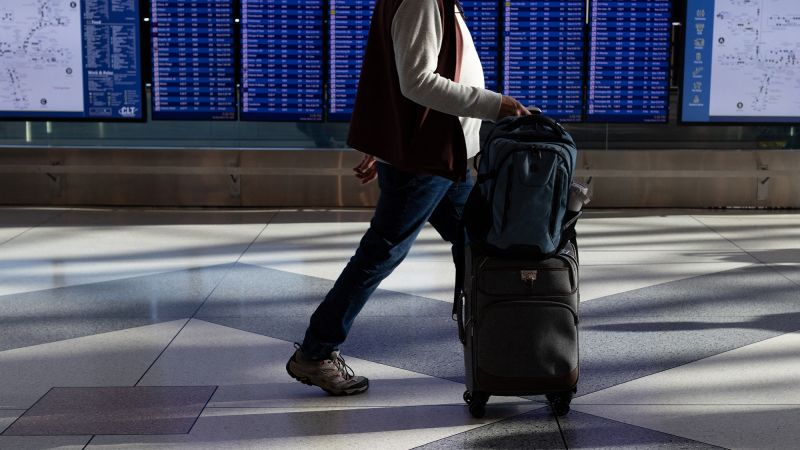
Don’t grab your bags in an airplane emergency, industry body warns

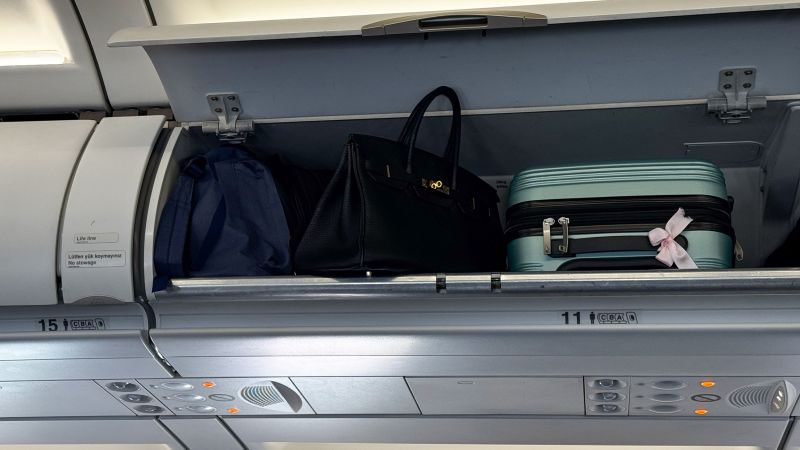
Industry Urges Travelers to Prioritize Safety Over Belongings in Emergencies
Don t grab your bags – Recent aviation safety efforts have intensified as the International Air Transport Association (IATA) launches a new campaign to reinforce the importance of following crew instructions during emergencies. The initiative emphasizes that passengers should not delay evacuation by retrieving personal items or bags, even if they are essential. According to the IATA, these actions can significantly slow down the process, risking lives during critical moments.
Emergencies Demand Swift Action
Online videos have highlighted a troubling trend: travelers often stop to collect belongings or capture evacuation footage on their phones. This behavior, while understandable, can create bottlenecks and jeopardize the safety of all on board. “Safety is a shared responsibility, and informed, attentive passengers help ensure a faster, safer evacuation for everyone on board,” said Bryan Bedford from the Federal Aviation Administration in an IATA news release about the campaign.
Retrieving items from overhead compartments costs valuable seconds, IATA warns, and puts everyone’s safety at risk. Carrying bags and suitcases when passengers are struggling to get out can cause people to fall or damage the slides needed for exit. The message is clear—during an evacuation, the priority is movement, not possessions.
Security Breaches: A Growing Concern
While aviation security breaches are rare, they can and do happen. A former Air Canada pilot is now facing criminal charges for operating flights with a fake license for nearly 17 years. Canadian police announced Tuesday that the pilot, whose identity has not been disclosed, used a forged document to board and operate aircraft, potentially endangering passengers during critical times.
This follows an incident last month where a 25-year-old man bypassed TSA and gate agents at a Houston airport, boarding a United Airlines flight with a suspected counterfeit boarding pass. He was later apprehended hiding in the plane’s bathroom. Such lapses in security underline the need for vigilance, even as travelers become more accustomed to modern safety protocols.
Family-Friendly Airport Policies Resurge
Meanwhile, U.S. airports are reviving older practices to better accommodate families. A growing number of domestic airports now allow non-ticketed guests to accompany loved ones to their gates, even without a plane ticket. Seattle-Tacoma International Airport has the longest-running program of this type, but as of this month, 21 airports across the country have adopted similar measures. The policy aims to keep families together for longer, easing the stress of travel for parents and children alike.
These changes reflect a broader shift in airport operations, balancing convenience with security. While the focus is on fostering connection, experts argue that such policies could be expanded further to enhance overall passenger safety.
European Airlines Face Controversy Over Parental Fees
Over in Europe, a major airline is under investigation for charging parents to sit with their children. The UK’s competition watchdog is examining whether this practice violates consumer law, labeling it as potentially “unfair.” The issue has sparked debate among travelers, with some questioning the justification for such fees.
However, not all European airports penalize families. In fact, Sardinia has taken a different approach by banning umbrellas for people aged 10 to 65 at one of its popular beaches. Safety concerns in emergencies have been cited as the primary reason for the ban, though critics argue that sun protection and skin cancer prevention should also be considered.
Unlikely Rescue: A German Shepherd Drifts to Sea
A remarkable rescue took place in England when a German Shepherd named Bruce was swept miles out to sea on an inflatable kayak. The dog, which had apparently fallen off a boat, was eventually located by a sightseeing crew on the northeast coast. Bruce was pulled from the water and returned to his owner, who confirmed he is now “safe and sound.”
Though the incident seems isolated, it highlights the unexpected ways animals can end up in emergency situations. The owner praised the quick response of the boat crew, calling the rescue a testament to human compassion and preparedness.
Global Travel News Roundup
This week’s travel news also includes the unveiling of the world’s best city for food. The title has been awarded to South America’s culinary capital, a decision that has sparked discussions about the region’s diverse dining scene. While the list of contenders is not yet finalized, the city’s reputation for vibrant street food and Michelin-starred restaurants has already drawn attention.
Additionally, a Swarovski family trust is selling a private island in the Venice lagoon for $28 million. The island, which is being offered as a global tournament venue, features an iconic church, a flesh-eating parasite, and natural wonders. The sale has raised questions about the intersection of luxury travel and conservation efforts.
On a lighter note, a former leader of a fictional nation declared a new country governed by AI, expressing uncertainty about its future. The announcement has ignited conversations about the role of technology in shaping global destinations and policies.
From safety warnings to family-friendly initiatives and unusual rescues, the week has been marked by a mix of urgency and creativity in the travel industry. As airlines and airports adapt to new challenges, passengers are reminded that their actions—whether in an emergency or during routine travel—can have far-reaching impacts.
Staying Informed: The Importance of Travel News
Whether it’s navigating safety protocols, understanding security changes, or exploring unique travel opportunities, staying informed is key. CNN Travel’s weekly newsletter, Unlocking the World, offers insights into the latest developments in aviation, dining, and accommodations. Readers are encouraged to subscribe for updates on destinations, innovations, and stories that shape the global travel landscape.
As the industry continues to evolve, the balance between convenience, safety, and innovation remains a central focus. From emergency evacuations to the sale of private islands, the world of travel is as dynamic as ever, demanding attention and adaptability from both passengers and providers.