Drones and lone wolf attacks are key concerns as FBI works to secure 11 World Cup cities

Drones and Lone Wolf Attacks Key to FBI’s World Cup Security Strategy
Drones and lone wolf attacks are key – As the 2026 FIFA World Cup prepares to take place, the FBI is prioritizing threats posed by drones and lone wolf attacks to ensure the safety of 11 host cities. The global event, set to host 78 matches, has attracted millions of visitors, amplifying the need for advanced security measures. With the Department of Homeland Security (DHS) coordinating efforts, the bureau is focusing on mitigating risks from both unmanned aerial vehicles (UAVs) and the unpredictable nature of solo attackers who operate without ties to larger organizations.
Advanced Training for Unmanned Threats
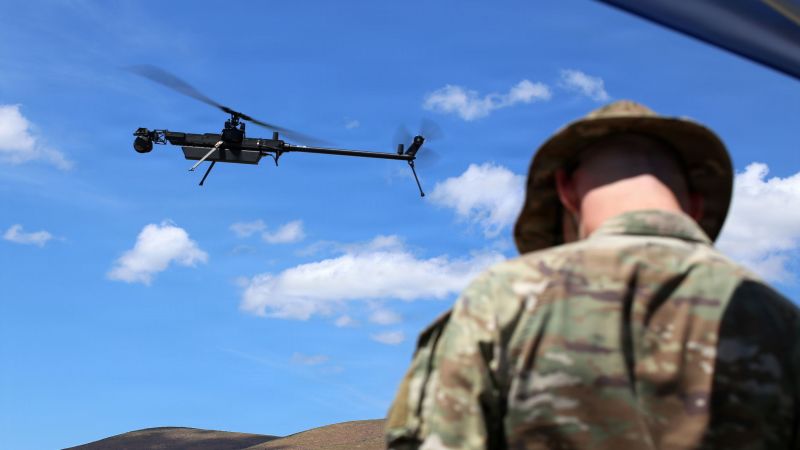
At the Redstone Arsenal in Alabama, the FBI has been training law enforcement officers from across the country to tackle drone-related challenges. These sessions, conducted in a cutting-edge facility, aim to enhance readiness for scenarios where UAVs might infiltrate event airspace. “The technology is evolving rapidly, and our preparation must keep pace,” stated Michael Torphy, assistant section chief of the Critical Incident Response Group, during a recent exercise. “We’re not just reacting—we’re anticipating the next move.”
Training modules now include counter-drone tactics, such as remote disablement and intercepting devices that bypass traditional jamming systems. Fiber-optic drones, for instance, are designed to resist radio-frequency interference, complicating detection. Despite these hurdles, officials stress that the accessibility of such technology means anyone could pose a threat, prompting a blend of high-tech solutions and community vigilance.
Global Innovations in Aerial Security
The FBI’s proactive stance aligns with broader global trends in drone technology, which have advanced due to conflicts in regions like Ukraine and the Middle East. Ukrainian forces, for example, have developed effective counter-drone strategies that disrupt infrastructure, while Iran has demonstrated the strategic use of UAVs in targeting foreign interests. These developments underscore the growing importance of drones as tools of both offense and defense in modern security.
Andrew Giuliani, head of the White House task force overseeing the World Cup, emphasized the need to track international drone advancements. “Understanding how this technology is being used globally is essential,” Giuliani noted during a security review. “The World Cup is not just a local event—it’s a global stage, and we must be prepared for the full spectrum of risks.”
Managing the Uncertainty of Lone Wolf Threats
While drones are a visible concern, the unpredictable nature of lone wolf attacks remains a pressing issue. These incidents, often executed by individuals with no direct affiliations to terror groups, have disrupted events in recent years. Security experts highlight that such attacks rely on the ability of individuals to exploit accessible technology, making them difficult to forecast.
John Villasenor, a Brookings Institution fellow, warned that basic tools can lead to substantial damage. “It’s not about the sophistication of the weapon, but the intent of the person using it,” he explained. “Even a simple drone could cause chaos if wielded by someone with a clear objective.” This insight reinforces the importance of integrating both technological defenses and traditional security protocols to address all potential risks.
Coordinated Efforts Across Agencies
The FBI works closely with the DHS to manage the multifaceted security requirements of the World Cup. While the DHS oversees logistics and city-wide coordination, the FBI provides specialized counter-drone expertise, crucial for neutralizing emerging threats. “This collaboration ensures that no city is left vulnerable,” said a DHS spokesperson. “We’re leveraging the best of both agencies to protect the event.”
Local police departments, such as New York’s, have also invested in their own capabilities. The NYPD allocated $6.5 million for drone-mitigation gear, showcasing a commitment to safeguarding attendees. “This isn’t just about preventing attacks—it’s about creating a secure environment for everyone,” said NYPD Commissioner Jessica Tisch, highlighting the balance between innovation and traditional policing methods.