These are the world’s best cities for food, according to Time Out

These are the world’s best cities for food, according to Time Out
These are the world s best – When planning a journey, the allure of a city often lies in its unique offerings. While some travelers prioritize historical landmarks or breathtaking natural vistas, others are drawn by the culinary experiences a place provides. Food serves as a gateway to understanding a city’s soul, offering more than just sustenance—it delivers a sensory journey through its culture, history, and innovation. For those seeking to indulge their taste buds this year, a new ranking from Time Out simplifies the decision-making process, highlighting the top food cities globally.
Lima: The Culinary Capital of Latin America
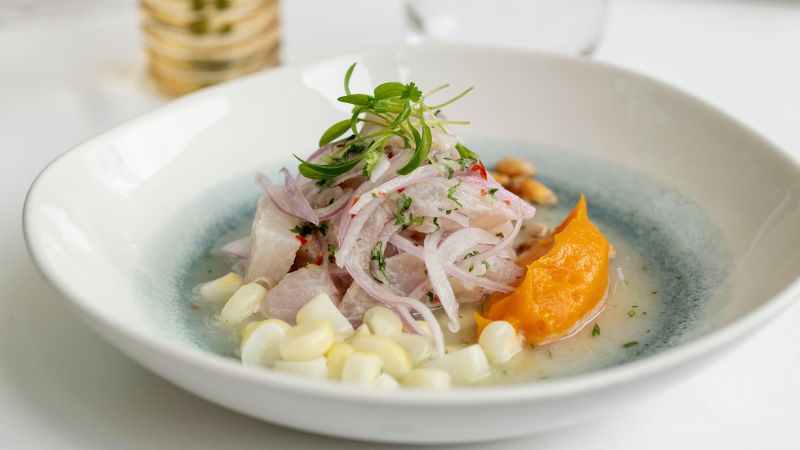
At the forefront of this year’s list is Lima, Peru, which has claimed the top spot for two consecutive years. Renowned for its mastery of coastal cuisine, the city is a beacon for food enthusiasts eager to savor its rich culinary heritage. Dishes like ceviche, a zesty citrus-marinated seafood staple, and causa Limeña, a refined layered potato dish, showcase the creativity and tradition that define Peruvian gastronomy. Beyond its gourmet offerings, Lima stands out as the most budget-friendly destination among the 20 cities evaluated, allowing visitors to experience its vibrant food scene without overspending.
“The cities on this list are known for their ingredients, iconic cuisines, and deep-rooted food histories that have influenced how people eat around the world,” said Virigina Gil, USA Editor at Time Out, in an email to CNN Travel. “They’re not just where food lovers are flocking today; they’re places that have drawn travelers in search of great meals for decades.”
Bangkok: A Street Food Paradise
Bangkok, Thailand, secures the second position, a spot it has held for the past two years. The city’s reputation as a foodie haven is rooted in its unparalleled street food culture, where flavors burst from every corner. From savory grilled skewers to sweet mango sticky rice, Bangkok’s culinary landscape is a kaleidoscope of tastes, often available at prices under $5. This affordability, paired with the sheer variety, makes it a magnet for both seasoned gastronomes and casual diners alike.
Mexico City: A Fusion of Tradition and Innovation
Claiming the third position is Mexico City, a metropolis where ancient traditions meet modern culinary artistry. The city’s food scene ranges from Michelin-starred restaurants to bustling street markets, offering a rich tapestry of flavors. One standout dish, the taco al pastor, features marinated pork and pineapple, and it’s celebrated along a 12-block stretch known as the taco corridor on Lorenzo Boturini. This area, a foodie hotspot, exemplifies the city’s ability to blend street-level authenticity with high-end innovation.
London: A Global Culinary Melting Pot
London, the fourth city on the list, is recognized for its cosmopolitan food scene, which mirrors the city’s diverse population. From traditional British fare to international cuisines, visitors can find everything from Indian curries to Ethiopian injeras in a single neighborhood. The UK capital also topped the survey in terms of restaurant quality, according to local residents. Borough Market, a historic food market dating back to the 12th century, remains a must-visit for those wanting to sample the city’s best. Its stalls, offering everything from artisanal cheeses to global street foods, reflect London’s status as a hub for culinary exploration.
Barcelona: A Mediterranean Feast
Barcelona, Spain, rounds out the top five, celebrated for its deep ties to Mediterranean cuisine. The city’s food culture is shaped by its coastal location and historical connections to the region’s traditions. Local markets brim with fresh seafood, olive oils, and seasonal produce, while Catalan dishes like pa amb tomàquet (tomato and olive oil on bread) and patatas bravas (spicy potatoes) are staples that highlight the area’s rustic yet refined approach to eating. Time Out notes that Barcelona’s charm lies in its ability to preserve these roots while embracing contemporary culinary trends.
The ranking process involved a comprehensive survey of 24,000 residents across 150 cities worldwide. Participants were asked to evaluate the quality of dining options, the affordability of meals, and the cultural significance of food in their communities. Editors and culinary experts from Time Out then analyzed the responses, selecting the top city in each country to ensure a global representation of excellence. This method guarantees that the list reflects both local expertise and international appeal.
Why Food Matters in These Cities
Virigina Gil emphasized that a food city is more than just a place with great restaurants—it’s a destination where the essence of culture is embedded in every meal. “Each place has its own dynamic history—migration patterns that gave rise to new dishes, native ingredients that shape its gastronomic identity, and culinary traditions that continue to influence how people eat today,” Gil explained. These factors create a unique narrative for each city, making them more than mere dining spots.
Among the top cities, New York City emerged as the leading US destination, ranking 15th. The city’s food scene is a direct reflection of its immigrant history, with cuisines from every continent represented in its bustling neighborhoods. From the classic New York-style pizza to the iconic bagel, and from deli-style pastrami to diverse international eateries, the metropolis is a testament to the power of culinary exchange. José Andrés, a prominent chef and advocate for global cuisine, even suggests that the origins of pizza may trace back to Spain before Italy, sparking debates about culinary history.
While the top five cities dominate the list, the rest of the ranking showcases a range of destinations with distinct culinary identities. From the bustling food markets of Marrakech to the refined tasting menus of Copenhagen, each city offers a unique perspective on what it means to eat well. The list not only highlights where to dine but also encourages travelers to explore the stories behind the food, deepening their connection to the places they visit.
For food lovers, these cities are more than just places to eat—they are destinations where every meal is an opportunity to discover new flavors, traditions, and experiences. Whether it’s the humble street food of Bangkok or the sophisticated dishes of Lima, the rankings underscore how food can be a powerful lens for understanding the world. As travelers increasingly seek immersive experiences, the importance of culinary culture in shaping a city’s allure will only grow, ensuring that these rankings remain a valuable guide for years to come.