Hotel’s refusal to serve guest tap water at restaurant is lawful, top Italian court rules

Italian Supreme Court Upholds Hotel’s Right to Serve Bottled Water
A Legal Dispute Over Tap Water in a Northern Italian Hotel
Hotel s refusal to serve guest – In a landmark ruling, the Italian Supreme Court has determined that a five-star hotel’s decision to provide only bottled water at its restaurant to a guest does not constitute a legal violation. The case, which centered on the rights of travelers to access tap water, was brought to the court by a woman who claimed the hotel had denied her a fundamental right. However, the justices found that the hotel’s actions were justified under existing laws, leaving the guest without the compensation she sought.
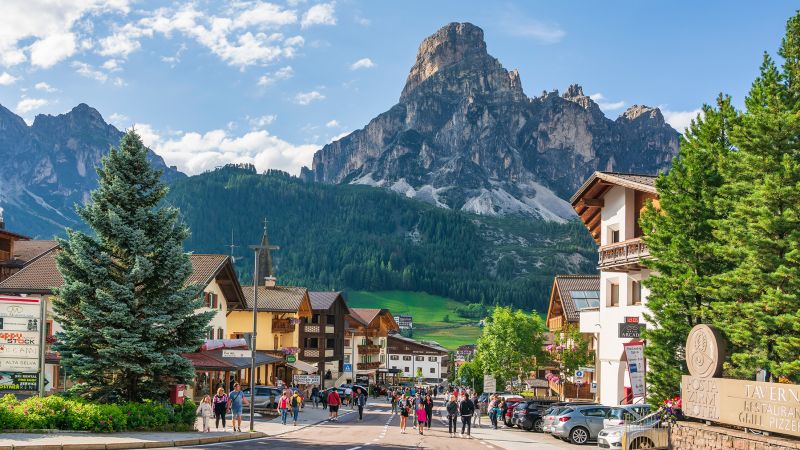
The dispute arose during a stay at the Hotel Sassongher, located in the northern Badia region of Italy, between December 26, 2019, and January 3, 2020. The guest had enrolled in a half-board package that excluded alcoholic beverages and other drinks, for which she paid 5,712 euros ($6,654). During dinner, she requested tap water and offered to cover the cost as a service charge, but the hotel staff refused, insisting on bottled water priced at around 7 euros ($8.15) per serving.
The guest subsequently filed a lawsuit, arguing that tap water should be considered a basic human right and that the hotel was obligated to provide it free of charge. Her claim was based on the premise that access to water is essential for fulfilling daily needs, even in cases where payments were outstanding. According to the court ruling, she insisted that “water is a natural good and a universal human right of every individual, and that the free supply of a minimum vital quantity necessary to satisfy essential needs must be guaranteed, even in the event of arrears.”
The case had already been dismissed by lower courts, including a Rome-based tribunal and an appeals court, before reaching the Supreme Court. The justices, after deliberating in November 2023, concluded that there is no legal mandate requiring restaurants or hotel operators to serve tap water. This decision has since sparked widespread discussion, particularly in Italy, where the ruling has been gaining attention in recent weeks.
The hotel, Hotel Sassongher, has stated its support for the Supreme Court’s decision. In a statement released to CNN on Wednesday, the establishment said it “fully respects the decision of the Supreme Court” and provided no further elaboration. This stance aligns with the broader legal framework in Italy, which does not enforce a requirement for tap water in dining settings.
Cultural Divide in Tap Water Preferences
The case has underscored the cultural differences in attitudes toward tap water between the United States and parts of Europe. In the US, tap water is commonly regarded as a reliable and affordable resource, while in some European countries, it is often seen as a luxury or a choice. This disparity has fueled online debates, with American travelers frequently expressing frustration on platforms like TikTok over the perceived lack of tap water availability in European hotels.
Although the US does not have a federal law mandating that restaurants or hotels must offer tap water, it is a deeply ingrained cultural norm. Guests typically expect tap water to be available without additional cost, especially in dining environments. In contrast, in England and Wales, establishments that serve alcohol are legally required to provide free tap water, reinforcing the notion that water is a basic amenity in certain regions.
Italy’s ruling reflects a similar approach to other European countries, where the cost of tap water may be viewed as optional. The legal decision to allow hotels to charge for tap water or opt for bottled alternatives highlights the flexibility granted to businesses in catering to customer preferences. This has led to questions about whether the hospitality industry in Europe is more inclined to prioritize profitability over the fundamental right to water, a concept that holds strong in the US.
Implications for Travelers and Hospitality Standards
While the Italian Supreme Court’s ruling provides clarity for hotel operators, it raises concerns about the expectations of travelers. The case demonstrates that the legal rights of guests can be interpreted differently based on regional norms, leaving some individuals feeling that their needs were not adequately addressed. This has prompted calls for a standardized approach to water access in the hospitality sector across Europe.
Travelers who rely on tap water may now face a more nuanced experience, with some establishments offering it at no cost and others charging a small fee. The ruling also serves as a reminder that legal definitions of rights can vary significantly, even when the underlying necessity is universal. For instance, while the guest argued that tap water should be free, the court emphasized that businesses are not legally bound to provide it unless specified in their contracts or local regulations.
Despite the decision, the case has already sparked a ripple effect in public discourse. Social media platforms have amplified the debate, with many Americans sharing their experiences of European tap water. Some have highlighted the taste and quality of bottled water in Italy, while others have expressed dissatisfaction with the cost and availability. This trend reflects the growing influence of online communities in shaping perceptions of travel amenities and service standards.
The Italian court’s ruling may also influence similar cases in other countries. As travelers increasingly seek transparency and consistency in their experiences, the decision to permit bottled water as an optional service could set a precedent for how tap water is handled in the hospitality industry. While the ruling acknowledges the hotel’s right to choose its offerings, it leaves room for future legal challenges, particularly as debates about water rights continue to evolve in the global travel landscape.
In conclusion, the case at the heart of the Italian Supreme Court’s decision has brought to light the complex interplay between legal obligations, cultural norms, and traveler expectations. By upholding the hotel’s choice to serve bottled water, the court has reinforced the autonomy of businesses in providing services, even as it invites further dialogue on the accessibility of essential resources in the travel sector.