Bomb attack near railway station in southwest Pakistan kills at least 23

Bomb Attack Near Railway Station in Southwest Pakistan Kills At Least 23
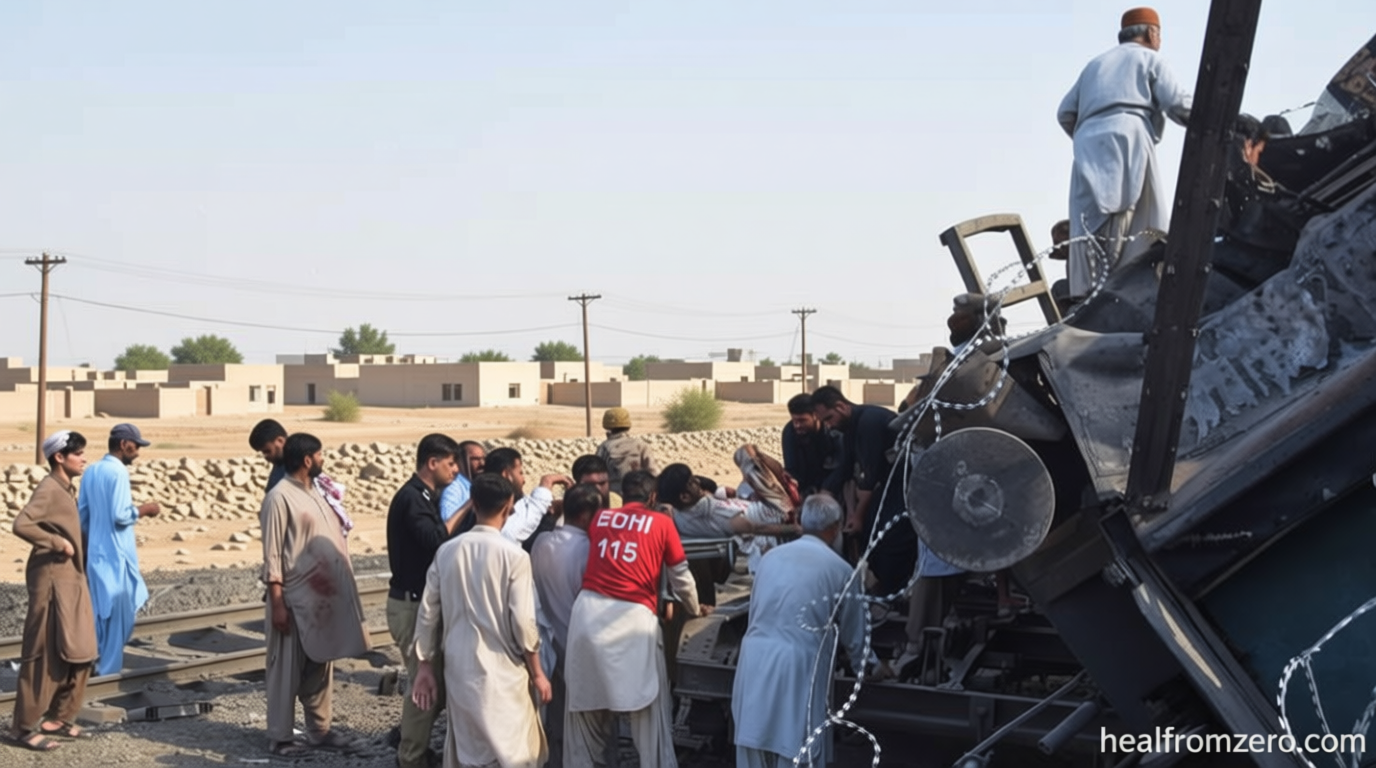
Bomb attack near railway station in southwest – A devastating explosion occurred near a railway station in Quetta, the capital of Pakistan’s Balochistan province, on Sunday, leaving at least 23 people dead and 71 others injured. The incident happened as a train was passing through the area, triggering chaos among commuters and emergency responders. Authorities confirmed the blast was a suicide attack, though details about the perpetrator remain under investigation. The toll of the attack continues to rise as rescue teams work tirelessly to recover victims and stabilize the situation.
Rescue Operations and Casualty Reports
Emergency workers, including Muhammad Zeeshan, a local rescuer, described the scene as a “living nightmare.” Zeeshan recounted witnessing the explosion firsthand, emphasizing the shock and magnitude of the event. “I was right there near the tracks. I can’t even believe how we survived,” he told Reuters, highlighting the unpredictability of the attack. The force of the blast was so intense that it threw debris across the station platform, injuring dozens. At least 23 bodies have been recovered from the site, while 71 injured passengers are being treated in nearby hospitals. The situation remains critical, with emergency services declaring a state of emergency at Quetta’s medical facilities to manage the influx of casualties.
Officials have cordoned off the area to prevent further casualties and to allow security forces to investigate the attack. Bomb disposal teams are working to ensure no secondary explosions occur, as the site is still considered a high-risk zone. Preliminary assessments indicate that the blast was executed by a suicide bomber, with no immediate indication of an armed group’s involvement. However, the exact method and timing of the attack are still being analyzed by investigators.
BLA Claims Responsibility for the Attack
The Baloch Liberation Army (BLA), a separatist militant group that has long demanded independence from Pakistan’s central government, has claimed responsibility for the bombing. The BLA is known for carrying out attacks targeting government institutions and civilian gatherings in the region. This incident marks another significant strike in the ongoing conflict between the group and the Pakistani state. In February, the BLA was responsible for a series of suicide bombings and gun attacks in Balochistan that killed at least 33 people, according to reports from the military.
The attack near the railway station underscores the persistent threat posed by separatist groups in Balochistan, a province rich in oil and minerals. The region has been a hotbed of militant activity for years, with the BLA and other organizations frequently launching operations to challenge Islamabad’s control. The current attack is believed to be part of a broader strategy to destabilize the area and draw attention to their cause. Analysts suggest that such bombings are often used to create fear and disrupt the province’s economic and social development.
Government Response and Political Statements
Pakistan’s Prime Minister, Shehbaz Sharif, swiftly condemned the attack, labeling it a “heinous bomb explosion.” In a statement on X, he emphasized the resolve of the Pakistani people, stating, “Such cowardly acts of terrorism cannot weaken the resolve of the people of Pakistan.” His remarks reflect the government’s determination to address the growing unrest in the province. Interior Minister Mohsin Naqvi, who visited Quetta following the incident, reiterated this stance during a meeting with the provincial chief minister. He described the attackers as “beasts” and highlighted the brutality of the act, which targeted innocent civilians.
The meeting between Naqvi and the Balochistan chief minister focused on coordinating efforts to restore security and support the victims. Both officials pledged to intensify operations against militant groups and improve emergency response systems. The BLA’s recent actions have intensified pressure on the government to address the root causes of the conflict, including economic disparities and political grievances in the region. Critics argue that the provincial government has struggled to provide adequate resources to the population, fueling dissatisfaction and recruitment for separatist movements.
Quetta: A Strategic Hub Under Threat
Quetta, located in southwest Pakistan, is a vital transportation and economic hub, connecting the country’s interior with its western regions. The railway station in the city is a critical point for commuters and freight traffic, making it a high-profile target for militants. The attack has disrupted train services and raised concerns about the safety of public infrastructure. Local residents expressed fear and anger, with many calling for stronger security measures and increased government investment in the province.
As investigations continue, officials are working to determine whether the attack was a coordinated operation or a solo act by a suicide bomber. The BLA’s claim of responsibility adds weight to the suspicion that the group is planning a series of attacks to escalate tensions. With over 100 people believed to be either dead or injured, the scale of the disaster has prompted a nationwide outcry. Social media platforms have been flooded with messages of condolence and calls for justice, with many users sharing photos and videos of the aftermath.
The incident has also reignited debates about the effectiveness of Pakistan’s security forces in preventing such attacks. While the BLA has claimed responsibility, some experts question whether the group has the capability to execute such a large-scale operation independently. Others argue that the attack is a reminder of the challenges faced by the government in maintaining stability in Balochistan. The province’s strategic importance, both economically and militarily, makes it a prime target for militants seeking to undermine Islamabad’s authority.
With the situation still evolving, authorities are urging the public to remain vigilant. The cordon around the station has been extended, and checkpoints have been set up to monitor movement in and out of the area. Meanwhile, the injured are being assessed for their condition, with some in critical states. The BLA’s latest attack adds to a grim list of incidents that have plagued the region, highlighting the ongoing struggle for autonomy and the cost of conflict on civilian lives.
“The blast was so huge. Thank God, we made it out alive.”
As the dust settles, the focus remains on recovery and resilience. Families of the victims are gathering at hospitals, seeking updates and comfort. The attack serves as a stark reminder of the violence that continues to shape Balochistan’s landscape. For now, the city of Quetta grapples with the aftermath, while the broader implications of the blast echo across Pakistan’s political and social discourse.