Tulsi Gabbard is resigning as director of national intelligence

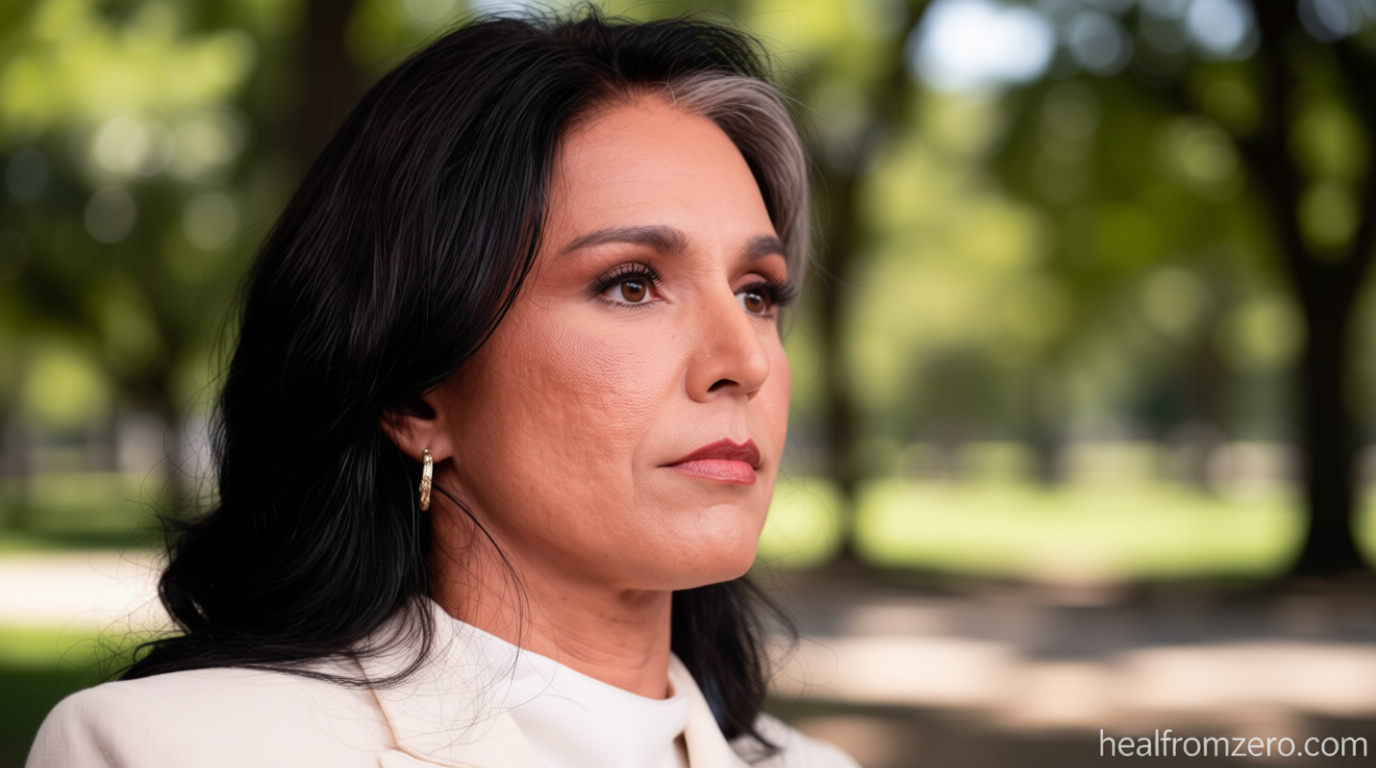
Tulsi Gabbard Announces Resignation as Director of National Intelligence
Tulsi Gabbard is resigning as director – On Friday, Director of National Intelligence Tulsi Gabbard revealed her intention to step down from the role, effective June 30, 2026. Her decision, she explained, was driven by her husband’s recent diagnosis with an uncommon type of bone cancer. In a formal letter addressed to President Donald Trump, Gabbard outlined the circumstances, stating that she felt compelled to prioritize her family’s needs during this critical period.
A Personal Commitment to Family
Gabbard’s resignation letter emphasized her deep sense of duty toward her husband, Abraham, who has been a constant source of strength throughout their eleven-year marriage. She described the challenges of balancing her responsibilities as a public servant with the demands of caregiving, particularly in light of the medical battle her spouse now faces. “My husband, Abraham, has recently been diagnosed with an extremely rare form of bone cancer,” she wrote. “He is expected to encounter significant difficulties in the weeks and months ahead. At this moment, I must withdraw from public service to provide unwavering support and stand by his side as he navigates this trial.”
“Abraham has been my rock throughout our eleven years of marriage—standing steadfast through my deployment to East Africa on a Joint Special Operations mission, multiple political campaigns, and now my service in this role. His strength and love have sustained me through every challenge. I cannot in good conscience ask him to face this fight alone while I continue in this demanding and time-consuming position,” she added.
President Trump swiftly acknowledged Gabbard’s resignation and expressed admiration for her dedication. In a post on his Truth Social platform, he praised her efforts, highlighting the importance of her presence during the illness. “Her wonderful husband, Abraham, has been recently diagnosed with a rare form of bone cancer, and she, rightfully, wants to be with him, bringing him back to good health as they currently fight a tough battle together,” Trump wrote. “She has done an incredible job, and we will miss her.”
Rumors and the Oval Office Meeting
White House insiders had been discussing Gabbard’s potential departure for several weeks. However, two weeks prior to her official announcement, she had been denying any plans to leave the administration. This contradiction led to speculation about her decision, which was finalized during a meeting in the Oval Office. According to a confidential source, Gabbard delivered her resignation letter directly to Trump in person, marking the culmination of her time in the position.
Gabbard’s tenure at the Office of the Director of National Intelligence (ODNI) has been characterized by moments of friction with the White House. Her public statements, especially regarding the U.S. military actions in the Iran conflict, have occasionally clashed with the administration’s narrative. These inconsistencies, which began months before the war escalated in late February, contributed to her growing distance from the president’s expectations.
Iran Policy and Strategic Disagreements
The Iran conflict has been a focal point of Gabbard’s challenges within the administration. In the lead-up to the war, her stance on the situation diverged from the White House’s position, particularly in how she framed the justification for strikes. CNN reported in June 2025 that internal White House discussions had turned critical of Gabbard’s approach, with some officials expressing frustration over her perceived misalignment with the administration’s messaging.
One notable instance occurred earlier that month when Gabbard released a video warning that the world was “closer to the brink of nuclear annihilation than ever before.” She attributed the rising tensions to the “political elite and warmongers” who had exacerbated fears between nuclear powers. Trump interpreted the video as an indirect critique of his decision to allow Israel to strike Iranian targets, labeling it as “a thinly veiled criticism” of his strategy. This sentiment was echoed by a senior White House adviser, who stated that the president viewed her remarks as off-message during a critical phase of the conflict.
“I don’t care what she said. I think they were very close to having it,” Trump remarked, referencing Gabbard’s testimony before Congress. His comments underscored the growing divide between the director and the executive branch, even as the U.S. military continued its operations against Iran.
Despite these tensions, Gabbard’s leadership at the ODNI was credited with advancing transparency and revitalizing the intelligence community’s credibility. In her letter to Trump, she acknowledged the progress made while also emphasizing the need for continued effort. “While we have made significant progress at the ODNI—advancing unprecedented transparency and restoring integrity to the intelligence community—there is still important work to be done,” she wrote.
Operational Justifications and Contradictions
Following the launch of Operation Midnight Hammer in June 2025, the administration defended its actions by claiming Iran had resumed its nuclear program and posed an imminent threat. However, Gabbard’s prepared remarks to the Senate Intelligence Committee later that month contradicted this narrative. She asserted that the strikes had “obliterated” Iran’s nuclear enrichment program, leaving no capacity to rebuild. This statement, though, was not delivered during the hearing, prompting questions about its context and timing.
When pressed about her omission, Gabbard explained that her time was limited, focusing instead on the immediate impact of the strikes. Her comments highlighted a strategic divergence between her understanding of the Iran conflict and the administration’s broader narrative. While Trump and his aides framed the war as a necessary response to Iran’s nuclear ambitions, Gabbard’s account suggested a more decisive and irreversible outcome.
Legacy and Departure
Gabbard’s resignation comes as she becomes the latest Cabinet member to leave the Trump administration. She follows the departures of key figures such as Homeland Security Secretary Kristi Noem, Attorney General Pam Bondi, and Labor Secretary Lori Chavez-DeRemer. Her exit reflects a pattern of leadership changes during Trump’s term, often tied to ideological differences or strategic miscalculations.
As she prepares to step away from her role, Gabbard’s impact on the intelligence community remains a subject of debate. While her efforts to promote openness and accountability were acknowledged, her occasional clashes with the White House over Iran policy have left a lasting impression. The decision to resign underscores the personal toll of balancing professional obligations with family commitments, a theme that has resonated with many in the political arena.
Trump’s announcement of Principal Deputy Director Aaron Lukas as the acting director signals a shift in the administration’s intelligence strategy. Lukas, who has served under Gabbard, is expected to maintain continuity while addressing the remaining challenges at the ODNI. For Gabbard, the transition marks the end of a tenure marked by both achievements and controversies, setting the stage for her next chapter in public service or private life.
With her husband’s health as the central reason for her resignation, Gabbard’s decision reflects a personal commitment to family over political duty. As the White House prepares for the next phase of its intelligence operations, her legacy will be remembered for its blend of determination and moments of discord, particularly in the context of the Iran war.