Blanche insists violent conduct will be weighed when applying for new anti-weaponization fund payouts

Blanche Clarifies Anti-Weaponization Fund’s Application Criteria
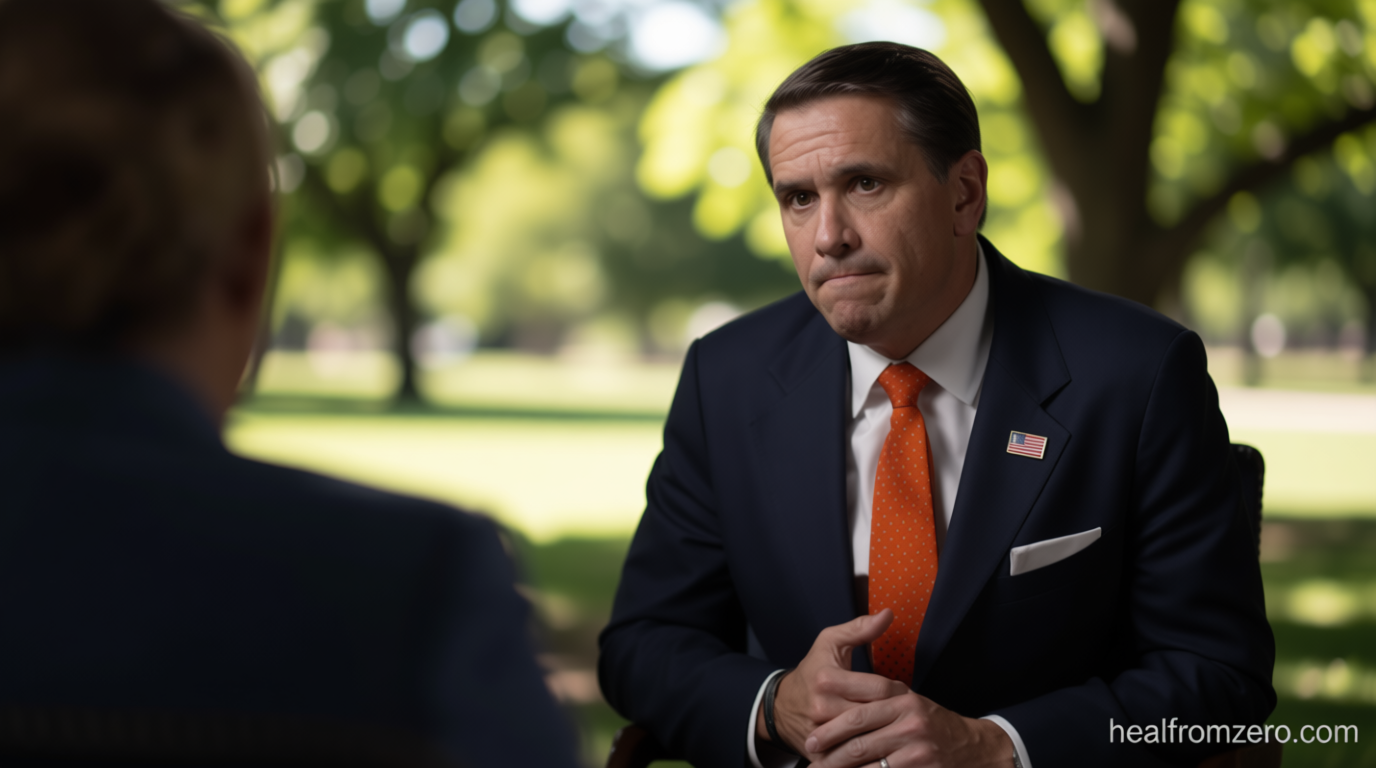
Blanche insists violent conduct will be weighed – Acting Attorney General Todd Blanche emphasized on Wednesday that the actions of individuals involved in the January 6, 2021, Capitol riot will play a significant role in determining eligibility for compensation from the upcoming anti-weaponization fund. During an interview with CNN’s Paula Reid, Blanche outlined how the commission overseeing the fund will evaluate applicants, stating that the conduct of claimants will be a key consideration. “The commissioners will assess what the claimant did—whether they engaged in violent behavior or not,” he explained, underscoring that the application process will not be automatic for all participants.
“One of the factors the commissioners have to consider is what the claimant did—the claimant’s conduct,” Blanche told CNN’s Paula Reid in an interview. “The claimant would have to say, ‘I assaulted a cop and I want money.’”
Blanche also noted that while the commission has the authority to decide payouts, the claimant’s actions will remain a central factor. He reiterated that President Trump “does not stand for assaulting law enforcement,” suggesting the fund’s criteria are designed to reflect that stance. However, he left room for interpretation, acknowledging that the commission might still approve claims from individuals who engaged in violent behavior if their arguments align with the fund’s purpose.
The discussion comes amid growing concerns from Democrats and other critics about the potential for January 6 defendants to receive substantial financial support from the fund. Some participants, including those who physically attacked law enforcement, have already begun seeking compensation, with reports indicating many are eager to submit claims as soon as the process is formalized. This has raised questions about whether the fund will provide a pathway for individuals to recover costs related to their involvement in the riot, regardless of their conduct.
Blanche’s comments were framed in response to the broader debate over the fund’s fairness. He pointed out that Trump’s recent actions have already paved the way for restitution, a key element the fund aims to address. “The work we’re doing in the fraud space has already saved hundreds and hundreds of millions of dollars to taxpayers,” Blanche argued, suggesting that the fund’s $1.8 billion allocation is a strategic move to resolve legal disputes efficiently. He dismissed concerns that the fund might be a windfall for those who participated in the attack, asserting that the process is structured to prevent excessive payouts.
Commission Structure and Selection Process
The anti-weaponization fund will be managed by a five-member commission, with Trump’s attorney general playing a central role in selecting its members. One of the commission’s representatives will be chosen in consultation with Congress, though the specifics of this collaboration remain unclear. Blanche highlighted that the members will not receive compensation for their service, adding that the selection process will prioritize expertise and political awareness. “I believe we’ll find qualified individuals for the commission,” he said, “and while political affiliation may not be a primary factor, it’s something we’ll take into account.”
When asked about the possibility of including Democrats on the commission, Blanche responded, “They’re going to be smart people. They’re going to be people that understand the political sensitivities that you’re raising.” This statement reflects the Justice Department’s effort to balance the fund’s administrative goals with the political dynamics surrounding the January 6 incident. The commission’s structure, which allows the president to appoint and remove members at will, has sparked debates about its independence and potential bias.
Context of Trump’s Pardons and Fund Goals
Blanche’s remarks also contextualized the broader implications of Trump’s recent pardons. Last year, after his return to the White House, Trump granted more than 1,000 individuals pardons for their roles in the January 6 attack, including several who had assaulted law enforcement. These pardons are seen as a way to shield defendants from future legal consequences, but the anti-weaponization fund offers a different form of relief—restitution. Blanche called this a “long overdue” measure, framing it as a necessary step to address the financial impact on those affected by the riot.
Meanwhile, the fund’s setup has drawn attention from critics who argue it could enable January 6 participants to claim compensation without facing consequences for their actions. Blanche acknowledged these concerns but emphasized that the fund’s application process includes rigorous evaluations. “There’s nothing to be outraged about,” he said, “because the commissioners haven’t even been named, and parameters for eligibility are still being defined.” He added that the current phase of the fund’s development is focused on establishing clear guidelines for determining who qualifies for payouts.
Gas Prices and Public Perception
When questioned about the timing of the fund’s launch, particularly with gas prices on the rise, Blanche brushed aside the concern. “This isn’t a ‘why are you spending money on this when gas is expensive?’ question,” he stated. “It’s a commonly used method to settle claims, and the benefits of this fund outweigh the costs.” This argument highlights the administration’s belief that the fund is an efficient and necessary tool for resolving disputes, rather than an unnecessary expense.
Blanche also addressed the initial skepticism surrounding the fund, calling the outrage over it “fake” due to the lack of tangible outcomes. “There’s nothing to be outraged about,” he reiterated, pointing out that the commission has yet to finalize its criteria. He suggested that the criticism is premature, as the process is still in development and no claims have been officially processed. This stance reflects an effort to manage public perception and maintain support for the fund’s implementation.
As the fund moves forward, its success will depend on how effectively the commission balances the interests of claimants and the public. Blanche’s statements indicate a focus on transparency and fairness, though the potential for political influence remains a point of contention. The commission’s role in evaluating each claim will be critical in determining whether the fund fulfills its purpose of providing restitution or becomes a symbol of leniency for those who disrupted the Capitol.
With the $1.8 billion allocation now in place, the next steps involve finalizing the commission’s composition and establishing clear guidelines for eligibility. Blanche’s confidence in the process suggests that the administration is prepared to defend its approach, even as critics continue to question its impact on justice and accountability. The fund’s launch marks a pivotal moment in the post-January 6 legal landscape, offering both opportunities and challenges for those seeking compensation.