Oil prices continue to fall on hopes of new US-Iran peace talks

Oil prices continue to fall on hopes of new US-Iran peace talks
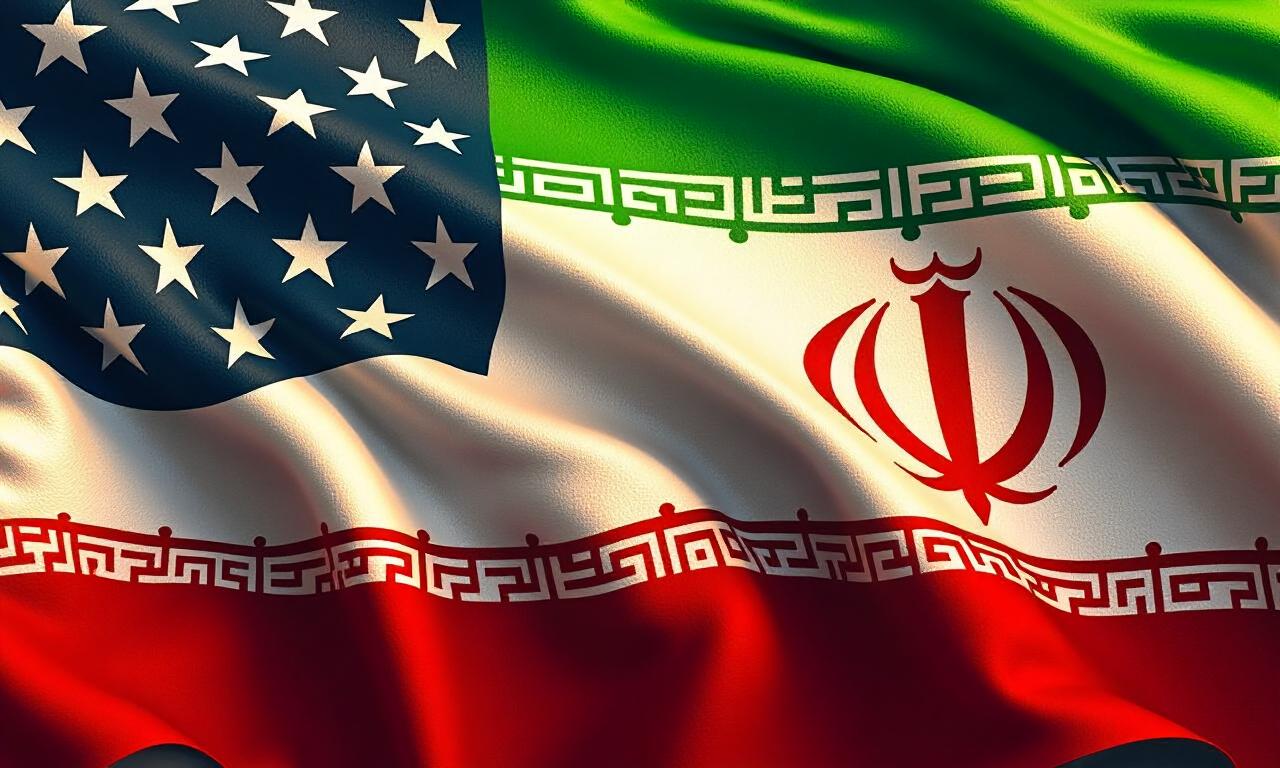
On Tuesday, oil prices declined as optimism about renewed U.S.-Iran discussions tempered worries over potential disruptions to global energy markets. Brent crude, the key international benchmark, dropped 3.8% to $95.54 per barrel, while U.S. West Texas Intermediate (WTI) fell 6.1% to $92.85. This reversal followed a sharp rise above $100 a barrel on Monday, driven by initial fears after the U.S. blocked Iran’s ports following stalled weekend talks. However, President Donald Trump later indicated Tehran had reached out to Washington about a possible agreement.
Speaking to reporters outside the White House, Trump remarked:
“I can tell you we’ve been called by the other side. They’d like to make a deal very badly.”
Separately, the New York Times reported that Iran had floated a proposal to pause uranium enrichment for five years, which the U.S. dismissed as insufficient, demanding a 20-year suspension instead. The report, citing officials from both nations, noted that Pakistan-hosted talks revealed mutual interest in halting nuclear activities but left the two sides far from consensus.
Analysts suggest the price dip reflects cautious optimism. Lindsay James, a Quilter investment strategist, stated the decline was “based on glimmers of hope that both sides remain keen to make a lasting peace deal.” She highlighted that traders interpreted Trump’s mention of a potential second round of talks as a signal of reduced tension, alongside Iran’s decision to halt shipments rather than challenge the U.S. blockade.
Meanwhile, Jiajia Yang, an associate professor at James Cook University in Australia, noted that Trump’s Monday comments could signal “possible de-escalation.” He added that market adjustments might also stem from a short-term correction after Monday’s price spike. “Markets will be watching closely for whether Tehran decides to delay its nuclear plans, a move that would ‘meaningfully ease tensions,’ ” Yang emphasized.
The International Energy Agency (IEA) reported March saw the “largest disruption in history” for global oil supplies, with a 10.1 million barrels per day (mb/d) drop to 97 mb/d. Last month, IEA members agreed to release 400 million barrels of reserves to stabilize markets, and Birol hinted at further action. “Four hundred million barrels is only 20% of our resource. We have still 80% in our pocket. We are assessing the decision. If and when we decide it is the time, we are ready to act and act immediately,” he said.
Birol warned that April might worsen the crisis, as March’s supply reductions were offset by pre-crisis stocks. “The longer the disruption is, the more severe the problem becomes,” he cautioned. Despite the retreat from $100, crude oil remains higher than its February 28 value of $73, underscoring ongoing market volatility.
Rahman Daiyan, an energy researcher at the University of New South Wales, noted Iran contributes only a “modest” share to global oil supply. However, he warned that escalating U.S. blockades could disrupt Gulf shipments, pushing prices upward. Some companies, like BP, anticipate benefits from higher prices. BP revealed its trading division is set to report “exceptional” results for the January-March period, contrasting with the “weak” performance in the previous quarter.
Asian stock markets rose in tandem with the oil price fluctuations, reflecting investor confidence in potential stability. Traders remain cautious, awaiting clarity on Iran’s next moves and the broader impact of the U.S. strategy on energy markets.