Polls close in tight Brazil runoff between leftist Lula and Trump ally Bolsonaro after voting extension

Daftar Isi
Polls Close in Tight Brazil Runoff After Voting Extension
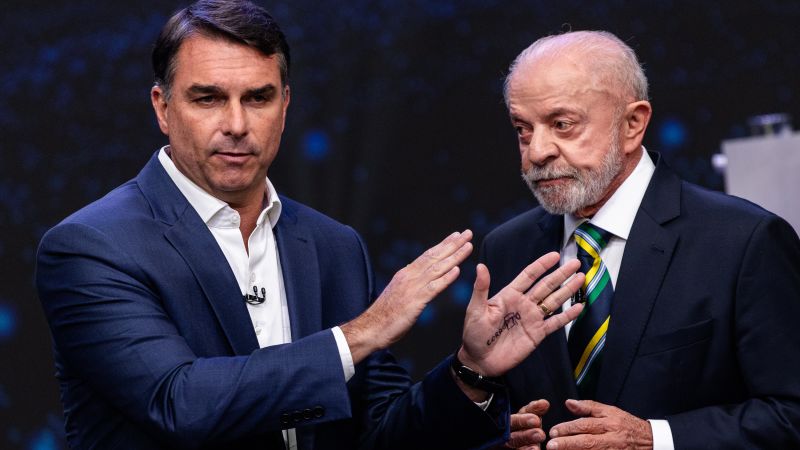
Healfromzero.com – Polls close in tight Brazil runoff as President Luiz Inácio Lula da Silva and opposition Senator Flávio Bolsonaro await the outcome of a closely contested presidential election. Voting hours were extended at some polling places on Sunday after concerns that transportation disruptions and severe weather could prevent eligible voters from casting ballots.
The runoff has become a defining contest for Brazil, pitting Lula’s long-standing left-wing coalition against a Bolsonaro movement that remains influential despite the absence of former President Jair Bolsonaro from the ballot. The result will shape the direction of Latin America’s largest country and economy.
Late ruling extends voting at operating stations
Supreme Court Justice Cristiano Zanin approved a request from Lula’s campaign to extend voting in eligible locations after reports of bus-related incidents in several states. Bolsonaro’s campaign had also sought additional time for some voters, citing severe rainfall that made travel more difficult.
The ruling came at about 5 p.m. in Brasília, when many voting stations were due to close. That timing caused uncertainty because some locations had already ended voting. Zanin and Brazil’s Superior Electoral Court later clarified that only polling places still open when the decision was issued could continue receiving voters until 7 p.m. local time.
Federal Police opened an investigation into possible interference with public transportation services in five states after Lula’s campaign raised concerns about voters’ ability to reach polling locations.
A closely watched race for Brazil’s future
The polls close in tight Brazil contest after a campaign shaped by concerns over living costs, crime, corruption and the country’s political direction. Lula, 80, is seeking a fourth term and another chapter in a career that has influenced Brazilian public life for more than two decades.
Flávio Bolsonaro, 45, exceeded expectations in the first round and forced Lula into a runoff. He is the eldest son of Jair Bolsonaro, whose political movement continues to command substantial support even as the former president remains imprisoned for attempting to reverse his 2022 electoral defeat.
Bolsonaro finished the first round with 2.2 million more votes than Lula, but neither candidate won the outright majority needed to avoid a second ballot. The final stage of the race therefore placed a premium on turnout, undecided voters and the ability of each campaign to mobilize its base.
“I think the most important takeaway is that today’s Brazil is turning right.”
Brian Winter, editor-in-chief of Americas Quarterly and vice president of policy at Americas Society/Council of the Americas, said Brazilian voters have become more conservative over the past 10 to 15 years. The runoff reflects a broader regional debate over public security, economic uncertainty and dissatisfaction with established political parties.
Why the runoff is so politically significant
Lula’s campaign must hold together its traditional coalition while responding to voter frustration over everyday pressures. Bolsonaro’s campaign is seeking to preserve its first-round momentum and attract voters who favor a sharper break from Brazil’s recent left-wing leadership.
The voting extension has added another layer of tension to an already polarized election. Bolsonaro allies criticized Zanin’s decision, arguing that the Supreme Court had entered territory belonging to electoral authorities. The justice had previously served as Lula’s personal lawyer before Lula appointed him to the Supreme Court in 2023, though he was assigned to the case through a random selection process.
As polls close in tight Brazil runoff voting, attention is focused on whether turnout changes the final balance between the candidates. The race has also drawn interest across Latin America and in Washington because of Brazil’s regional economic and political influence.
Brazil Runoff FAQ
Why were voting hours extended?
Voting was extended at eligible polling places after campaigns raised concerns about transportation disruptions and severe rainfall. Only locations that were still operating when the court decision was issued could remain open until 7 p.m. local time.
Who are the candidates in the Brazil runoff?
The runoff is between President Luiz Inácio Lula da Silva and Senator Flávio Bolsonaro, the eldest son of former President Jair Bolsonaro.
Why did Brazil hold a second round of voting?
Neither Lula nor Flávio Bolsonaro secured the outright majority required to win in the first round, making a runoff necessary.
What should voters do if they face delays at a polling place?
Voters should follow instructions from local election officials and confirm whether their polling location was still operating when the extension decision took effect. Conditions may differ between polling stations.
Related Reading
Frequently Asked Questions
What is Polls close in tight Brazil runoff?
Polls close in tight Brazil runoff is the main topic of this guide. The article explains the context, practical details, and next steps readers should understand.
Why does Polls close in tight Brazil runoff matter?
Polls close in tight Brazil runoff matters because readers are looking for a useful answer, not just a short summary. Good content should match search intent and help them decide what to do next.