Spain snap election: PM Sanchez calls November election amid growing housing protests

Daftar Isi
Spain Heads Toward November Vote as Housing Anger Tests Sánchez Government
Healfromzero.com – Spain will hold a snap general election on November 29 after Prime Minister Pedro Sánchez moved to seek a renewed mandate amid intensifying public frustration over housing.
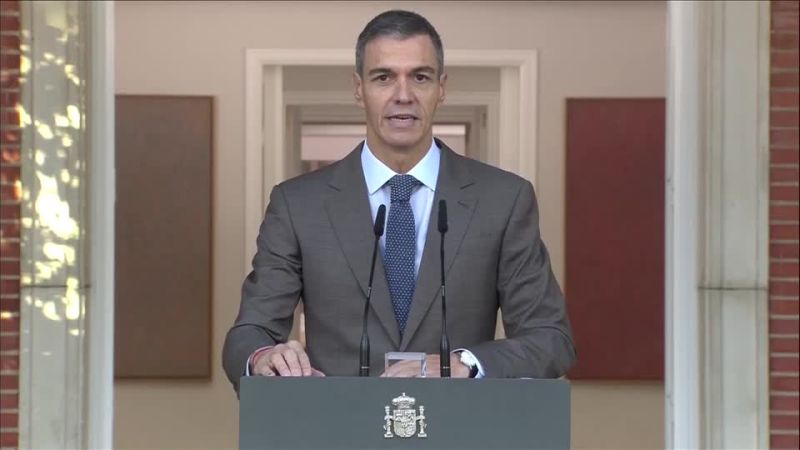
Sánchez announced the early vote in a televised address from the Palace of Moncloa, the prime minister’s official residence in Madrid. His decision follows a difficult period for the government, with housing protests drawing attention in the capital and in cities across the country.
The election call came less than 72 hours after the government was unable to win parliamentary approval for two royal decree laws connected to housing. The measures had been intended to respond to growing pressure for action as housing concerns became a central political issue.
The time has come for the Spanish people to decide what future they want for themselves and for their country.
The prime minister’s announcement places housing at the heart of the coming campaign. The issue has become especially visible in recent days as hundreds of demonstrators camped in Madrid’s Puerta del Sol, one of the city’s best-known public spaces. Their protest has focused on what they describe as a housing emergency.
Similar demonstrations have taken place elsewhere in Spain during the past week, broadening the political impact of the protests beyond the capital. The spread of the movement underlines how housing has developed into a national concern rather than one confined to a single city or region.
Parliamentary Setback Adds Pressure
The failed housing decrees were a major immediate factor behind Sánchez’s decision to call an election. Royal decree laws can allow governments to act quickly, but they still require parliamentary support. Without that backing, the government’s ability to advance its proposed response was sharply limited.
By turning to voters, Sánchez is asking the public to decide whether his government should receive stronger support for further reforms. The move also reflects the challenge of governing when important measures cannot secure sufficient backing in parliament.
During his address, Sánchez acknowledged shortcomings in his administration’s record. He said the government had not fulfilled every aim it had set for itself and accepted that mistakes had been made.
We have made mistakes and have not managed to do everything we set out to do.
He nevertheless argued that more work remains to be done. Sánchez said Spain still faces injustices that need to be addressed, framing the election as an opportunity to build wider public support for changes intended to reduce inequality.
There are still many injustices to correct.
The prime minister said he needed to “renew and broaden public support to undertake the necessary reforms so that citizens can reduce these levels of inequality.” The statement suggests that the campaign will not only concern the failed legislation, but also a wider debate about economic opportunity, social fairness and the responsibilities of government.
Housing Takes Center Stage
Housing has become a powerful measure of everyday economic pressure because it affects where people can live, how much of their income they must devote to a home and whether they can plan for the future. The recent protests have brought those concerns into direct view for political leaders and voters.
For people following the election, the key question will be how parties propose to respond to the housing crisis and whether they can present plans capable of gaining both public confidence and parliamentary support. The failure of the two decree laws has already demonstrated that proposing action and delivering it through Spain’s political system are not the same thing.
Madrid’s Puerta del Sol has become a prominent symbol of the current moment. The decision by hundreds of people to remain there for days has ensured that the issue remains highly visible, while demonstrations in other cities have reinforced the message that dissatisfaction is widespread.
Sánchez’s decision to go to the country before completing the normal electoral timetable creates a clear political test. Voters will be asked to judge his government’s handling of housing pressure, its legislative difficulties and its broader promise to tackle inequality.
A Short Campaign With High Stakes
With the vote set for November 29, Spain’s political parties will have limited time to define their positions and persuade voters. Housing is likely to remain a central theme because the protests and failed parliamentary measures have already placed it at the forefront of national debate.
The election will also determine whether Sánchez can obtain the broader backing he says is needed for reform. A stronger mandate could alter the government’s ability to pursue its agenda, while a fragmented result could leave the same parliamentary obstacles in place.
For now, the announcement has transformed a period of mounting protest into an election campaign. What began as pressure over housing policy has become a wider referendum on the direction of the country and on whether Spain’s leaders can respond to public demands with effective action.
Related Reading
Frequently Asked Questions
What is Spain snap election?
Spain snap election is the main topic of this guide. The article explains the context, practical details, and next steps readers should understand.
Why does Spain snap election matter?
Spain snap election matters because readers are looking for a useful answer, not just a short summary. Good content should match search intent and help them decide what to do next.