New documents detail timeline before Cornell’s Jane Doe reported alleged gang rape, NYT reports

Daftar Isi
New records trace Cornell student’s path to reporting alleged fraternity-house assault
Healfromzero.com – Documents from Cornell University’s Title IX investigation offer a closer look at the weeks after a former student alleged she was gang raped at the Chi Phi fraternity house in October 2024. The records describe conversations with roommates, messages exchanged with men later accused of sexual assault, medical care and an evolving understanding of what happened that night.
The woman, identified publicly as Jane Doe, did not immediately describe herself as a rape victim after the events that began on October 19, 2024. Instead, the materials portray a period in which she appeared to be processing feelings of shock, shame and confusion before eventually speaking with campus police about an alleged assault.
Early conversations with roommates
On the day she returned home, Doe told two roommates that she had taken ketamine and had sexual contact with several men. Investigators were told that she did not initially use the terms “rape” or “assault” while recounting the night.
One roommate said she could not recall Doe expressing consent to what occurred. Another said Doe seemed stunned and did not appear to grasp the seriousness of what she was describing. The roommate characterized her as being in shock and struggling to understand the weight of the events.
Doe also spoke the next day with her sorority big sister. That person later told investigators that Doe had not yet fully processed the experience. The records depict those early discussions as part of a gradual effort to make sense of a traumatic night rather than a settled account formed immediately afterward.
Messages exchanged after the night
The investigation files include communications between Doe and at least two men she later accused. In one message, a man apologized for “how things went down the other night.” He wrote that he and another man felt terrible, saying they had been too affected by drugs and alcohol to stop the situation and remove people before it became “way out of hand.”
Doe’s reply sought to reassure him, stating that “non of the sexual stuff was illegal.” Her attorney, Thomas P. Giuffra, said the broader chronology reflects a trauma response in which Doe moved from denial and shame toward recognizing that she believed she had been raped by people she considered friends.
Doe’s internal processing went from denial, to shame and ultimately acceptance that she had been raped by people that she thought were her friends. Her reactions were a textbook reaction to trauma.
The exchange is significant because it occurred before Doe made a formal report to campus police. It also highlights a central issue in cases involving alleged sexual violence: a person’s first response may be incomplete, uncertain or shaped by fear, intoxication, relationships and the difficulty of interpreting a distressing event.
Medical visit and later police report
On October 22, Doe went to Cornell Health after developing a urinary tract infection and seeking testing for sexually transmitted diseases. During that visit, she described contracting the infection “in a traumatic way,” the records indicate. She later said the doctor encouraged her to consider therapy.
In the roughly three weeks between the alleged incident and her discussion with campus police, Doe’s description of the night changed. She later signed a police statement recounting that she had been struck and felt emotionally pressured into sexual activity while intoxicated. During a November 2024 interview with campus police, she made a more direct rape allegation.
Tompkins County District Attorney Matthew Van Houten said his office did not receive the transcript of that November police interview before deciding against criminal charges. The absence of that transcript has become a major point of scrutiny as public attention has focused on the handling of the case.
Giuffra said his office did not know whether the Title IX investigation’s findings had been given to Cornell police. He said the material could carry substantial evidentiary weight in a criminal investigation.
Questions about information sharing
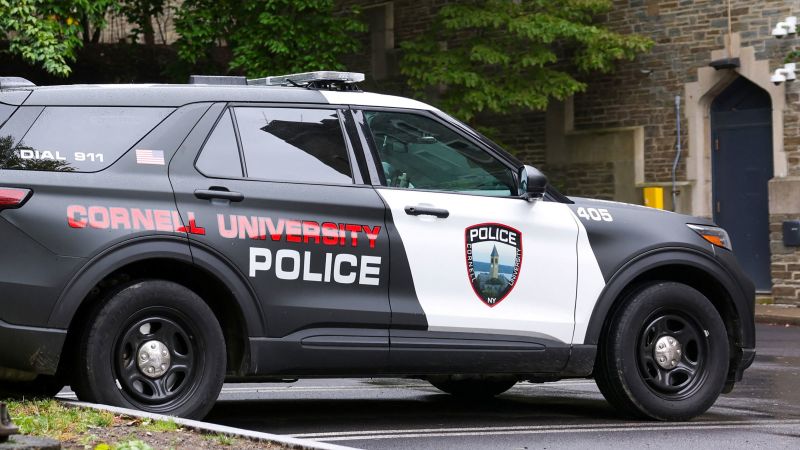
Cornell has said its police department followed established procedures and provided “all investigatory information” to the district attorney’s office. Questions remain over what specific materials were available to prosecutors, when they were shared and whether the university’s Title IX process produced information that could have affected the criminal investigation.
Title IX proceedings are generally confidential, with access restricted to the people involved. The university investigation assembled hundreds of pages of emails, text messages, photographs and interviews with Doe, her friends and six of the seven men she accused. The files also contained a lengthy transcript from the original police interviews with Doe.
The distinction between a campus Title IX inquiry and a criminal case matters. A Title IX investigation addresses a school’s responsibilities in responding to allegations of sex-based discrimination and misconduct, while prosecutors evaluate whether available evidence supports criminal charges under the applicable legal standard. The two processes may overlap, but they have different purposes, procedures and outcomes.
For Doe, the documents outline a timeline in which immediate certainty did not precede her report. They instead describe an account that developed through conversations, medical care and later interviews as she sought to understand the events at the fraternity house. The continuing dispute over what investigators and prosecutors received has left the case centered not only on the allegations themselves, but also on how institutions respond when a survivor’s account emerges over time.
Related Reading
Frequently Asked Questions
What is New documents detail timeline before Cornell?
New documents detail timeline before Cornell is the main topic of this guide. The article explains the context, practical details, and next steps readers should understand.
Why does New documents detail timeline before Cornell matter?
New documents detail timeline before Cornell matters because readers are looking for a useful answer, not just a short summary. Good content should match search intent and help them decide what to do next.