Supreme Court allows Trump to restart controversial deportations to countries that migrants have no connection to

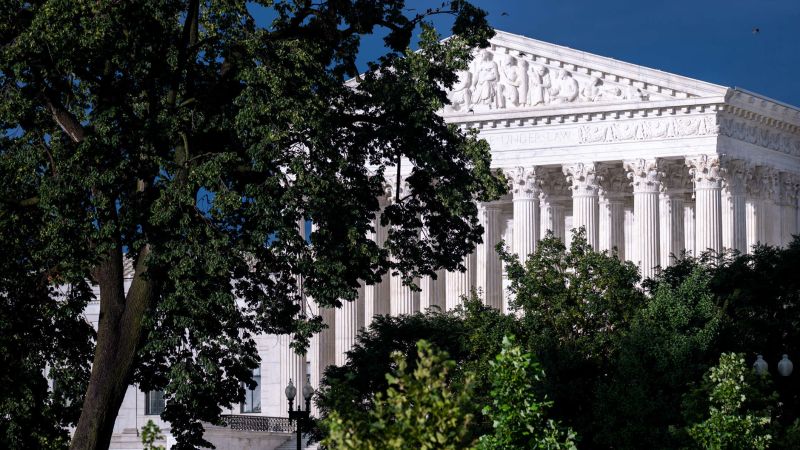
Supreme Court Allows Trump to Restart Deportations
Healfromzero.com – The Supreme Court allows Trump to restart deportations of migrants to third countries, including nations where they have no family, residence history or other connection. The temporary order lets the administration resume the policy while the justices prepare to hear arguments in the underlying case in December.
The unsigned ruling does not decide whether the policy is lawful. A final decision is expected by July and could determine the scope of federal authority to remove migrants to countries other than their homelands.
What the policy permits
Third-country deportations may be used when a migrant’s country of origin will not accept their return. Under the administration’s approach, US officials can seek another country willing to receive that person, even if the migrant has never lived there and has no known ties to it.
About 25,000 migrants have already been removed through the program. The policy drew sharp criticism after immigrant-rights groups reported that migrants who were to be sent to South Sudan were held in Djibouti instead, in a converted Conex shipping container.
The Supreme Court allows Trump to restart the program after a Boston-based federal appeals court effectively halted the removals. President Donald Trump’s administration filed its emergency request on September 24, arguing that the lower-court decision disrupted active operations and forced officials to cancel flights.
Dispute over legal protections
Immigrant advocates contend that migrants must have a meaningful chance to raise concerns about torture or persecution before being sent to a third country. They also argue that the latest appeal differs from earlier emergency requests because lower courts have now entered a final judgment in the dispute.
All three liberal justices — Sonia Sotomayor, Elena Kagan and Ketanji Brown Jackson — dissented from allowing removals to continue. Neither the majority nor the dissenters provided a written explanation for their positions.
“For the third time in 18 months, the Supreme Court has been called upon to stay the same local district judge’s campaign to halt the Trump Administration from removing illegal aliens including many of the worst-of-the-worst criminals to countries willing to receive them,” White House spokeswoman Lauren Bis said.
The court has previously intervened several times while the litigation continued, including in a dispute involving migrants held for weeks at a military base in Djibouti. Those emergency orders allowed the administration to keep enforcing the policy without resolving its legality.
Questions before the justices
When the case is argued in December, the court plans to examine whether the district court had jurisdiction over the challenge, whether it could grant relief to the full class of affected migrants, and whether the third-country deportation policy complies with federal law.
The Supreme Court allows Trump to restart removals for now, but the decision leaves major questions unanswered. The final ruling could uphold the practice, impose limits on it, or conclude that the lower courts should not have decided the case.
FAQ: Third-country deportations in the United States
Does the ruling make third-country deportations permanently legal?
No. The order is temporary and permits the policy to continue while the Supreme Court considers the case. The justices have not issued a final ruling on the policy’s legality.
Can migrants challenge a third-country removal?
That remains a central issue in the case. Migrant advocates argue that people facing removal should be able to raise fears of torture or persecution before being sent to another country.
When will the Supreme Court make a final decision?
Arguments are scheduled for December, and a final decision is expected by July.