Senate passes major bill to overhaul college sports

Daftar Isi
Senate Advances Sweeping College Sports Reform Bill
Healfromzero.com – The Senate has approved a far-reaching proposal that would reshape the rules governing college athletics, voting 77-22 on Monday to pass the Protect College Sports Act. The legislation now heads to the House, where its future is uncertain because lawmakers are not expected to return from recess until after the November midterm elections.
The measure seeks to establish nationwide standards for college athletes who earn money through their name, image and likeness, commonly known as NIL. Supporters say a federal framework is needed to replace a patchwork of rules and reduce the escalating financial pressure facing athletic departments. Critics contend the bill would give universities and the NCAA excessive control while weakening important protections for athletes.
What the bill would change
Under the Senate-passed legislation, the NCAA would receive authority to regulate athlete compensation. The proposal also limits athletes to a single transfer, sets a five-year eligibility standard and permits conferences to jointly negotiate future television agreements.
At the same time, conferences would be barred from expanding beyond 19 members. The Big Ten, one of the nation’s largest and most prominent conferences, currently includes 18 teams.
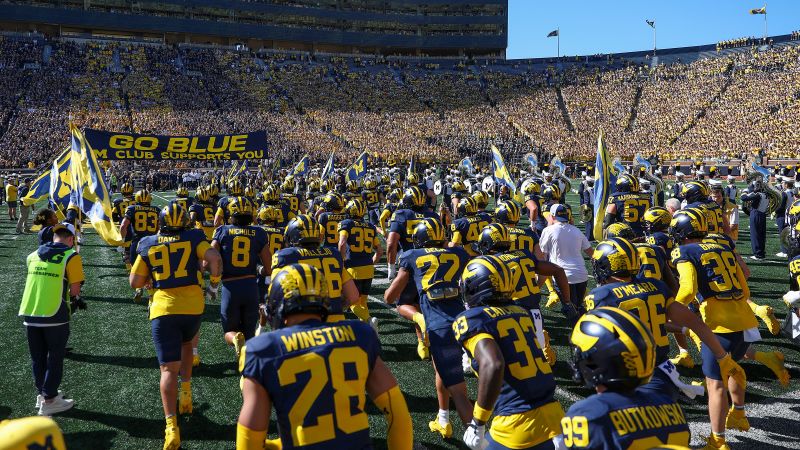
The changes would affect far more than highly visible football and basketball programs. College sports operate across a broad range of teams, scholarships and athletic opportunities, making the debate significant for athletes, schools, fans and conference leaders alike.
Backers argue national rules are overdue
Sen. Ted Cruz of Texas, chair of the Senate Commerce Committee and the bill’s lead sponsor, has argued that Congress must address what he describes as disorder in the modern college sports marketplace. He said the legislation is intended to create durable standards after years of rapid change in athlete compensation and movement between schools.
“The Protect College Sports Act is bipartisan legislation designed to bring order to the chaos, designed to put simple, common sense rules in place to that college sports remain strong and vibrant for decades to come,” Cruz said last week at a press conference.
Cruz has rejected claims that the proposal would limit opportunities for elite athletes. He said it would preserve athletes’ ability to share in revenue from their schools and to receive legitimate NIL payments.
“It does the exact opposite, which is it protects student athletes. It protects, in law, their right, No. 1, to participate in revenue sharing from their schools, but No. 2, to receive genuine name, image and likeness compensation.”
The senator also emphasized that the bill is aimed not only at the best-known athletes with professional prospects, but at the much larger group whose college participation may be their final level of organized competition.
“Right now, sports gives them a ticket to college, and the skills they learn — hard work, discipline, excellence, teamwork, sportsmanship — those skills set them up for success,” he said. “And if we don’t act, we’re going to see hundreds of thousands of these positions go away. That would be devastating for student athletes.”
The NCAA and leading athletic conferences have endorsed the bill, giving it significant institutional support as it moves toward the House.
Democratic support, but sharp opposition
Sen. Maria Cantwell, the lead Democratic co-sponsor, said the legislation could help colleges direct more resources toward their educational mission rather than absorbing ever-rising sports expenses. She warned that competition among programs has created spending pressures that can reach state governments and draw from funds intended for research and other priorities.
“This is about reining in the bad practices that are happening in college sports today, the runaway costs that are sending people to the state legislature asking for bailout from taxpayers to pay for sports, asking people to take endowment funds that really should go to things like research or AI, and instead have to be spent because of the runaway arms race in sports spending,” Cantwell said.
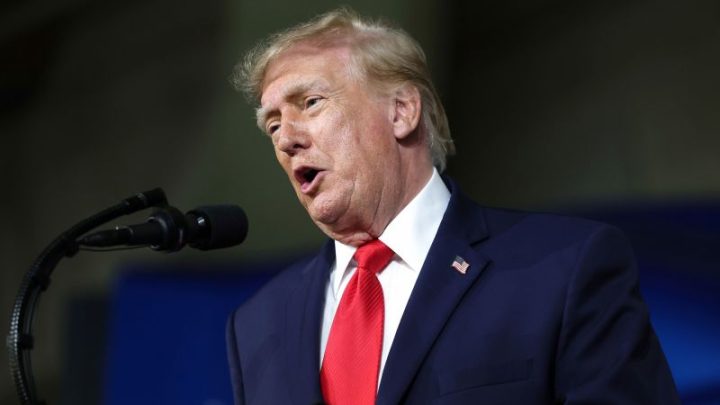
President Donald Trump has urged Congress to send the measure to him. The White House has said he views college athletics as worth protecting for athletes, institutions, supporters and the country.
But the legislation faces opposition from several organizations, including the Congressional Black Caucus, the National College Players Association, the NAACP and the AFL-CIO. Their central concern is that antitrust exemptions included in the package could tilt power toward schools and the NCAA at athletes’ expense.
Sen. Chris Murphy, a Democrat, criticized the bill in a joint statement with labor organizations, arguing that it preserves a system in which powerful figures in college sports benefit while athletes face limits on compensation.
“What this bill does, at its core, is protect a system of exploitation,” Murphy said. “This bill protects the billions of dollars that coaches and executives are making by suppressing compensation for some of the most highly valued athletes in the world.”
Sen. Cory Booker, who played football at Stanford University, also opposed the proposal, calling it legislation designed for entrenched and wealthy interests that have long dominated college sports.
Questions over athlete protections
Opponents have raised concerns beyond pay and conference power. The National College Players Association has warned that a provision allowing schools to remedy a violation within 30 days could create a loophole affecting athletes seeking legal action after sexual abuse, catastrophic injury or death.
That criticism highlights the broader stakes of the House debate. The bill is not simply about transfer rules or television revenue; it would help define how athletes, universities and the NCAA share authority in a system that has changed dramatically in recent years.
With the House away until after the elections, supporters will have time to build support while opponents press their case that any national solution must include stronger safeguards for student athletes. Whether the chamber accepts the Senate’s approach, modifies it or declines to act will determine whether the bipartisan vote becomes a lasting overhaul of college sports.
Related Reading
Frequently Asked Questions
What is Senate passes major bill to overhaul?
Senate passes major bill to overhaul is the main topic of this guide. The article explains the context, practical details, and next steps readers should understand.
Why does Senate passes major bill to overhaul matter?
Senate passes major bill to overhaul matters because readers are looking for a useful answer, not just a short summary. Good content should match search intent and help them decide what to do next.