Trump says Iran likely responsible for attack on vital Saudi oil pipeline

Daftar Isi
Saudi Oil Route Shut After Drone Strike as Regional Tensions Deepen
Healfromzero.com – Saudi Arabia has temporarily closed the East-West Pipeline after a drone attack injured several people and caused damage to the strategically important oil route, adding fresh pressure to an already volatile regional energy and security situation.
The Saudi Foreign Ministry said several drones launched from Iraq struck the pipeline on Thursday. The Ministry of Energy described multiple attacks and said specialist teams were working to protect the line and evaluate its condition. The shutdown was framed as a precaution while the safety assessment continues.
The incident comes at a particularly sensitive moment for Saudi oil exports. With the Strait of Hormuz effectively closed during the continuing US-Iran war, the kingdom has relied more heavily on the East-West Pipeline to move crude away from the Persian Gulf and toward the Red Sea.
Trump Points to Iran, but Responsibility Remains Unresolved
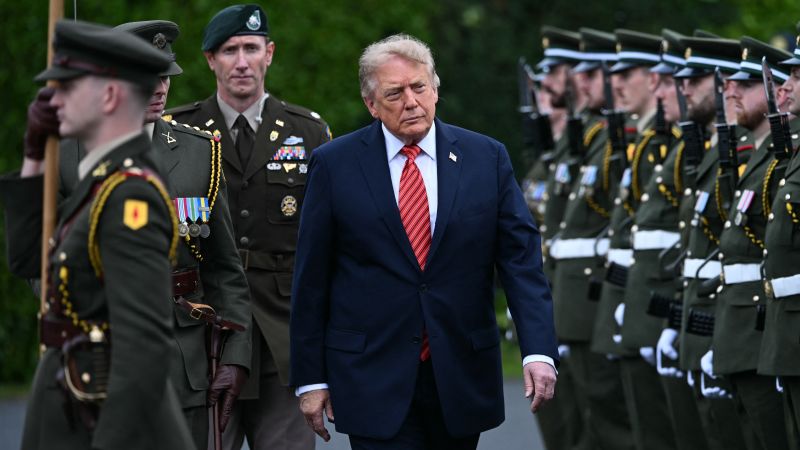
President Donald Trump said Iran was likely involved when questioned about the attack during a Saturday visit to Dublin, Ireland. However, no public evidence has established who carried out the strike, and uncertainty remains over the perpetrators.
“I think they are, probably they are,” Trump told journalists.
An umbrella organization of Iran-backed Iraqi militias, the Islamic Resistance in Iraq, denied responsibility for the attack. Iraq’s government condemned the operation and said it had ordered an urgent investigation. Iraqi officials also said the country would not permit its land or airspace to be used for such attacks.
On Saturday, Iraqi authorities announced the closure of several borders as a precaution. The measures reflect concern that the conflict could draw in more countries and armed groups across the region.
A Critical Alternative to the Strait of Hormuz
The East-West Pipeline has become a central part of Saudi Arabia’s export system since the outbreak of the US-Iran war. The route enables oil to travel across Saudi territory to Yanbu, a port on the Red Sea, reducing dependence on shipping lanes in the Persian Gulf.
Saudi Arabia has rerouted roughly 5 million barrels of oil each day through the pipeline. Those barrels would otherwise have been sent to tankers waiting in the Persian Gulf, where access has been disrupted by Iran’s effective closure of the Strait of Hormuz.
That shift gives the pipeline far greater importance than it would normally carry. Any interruption threatens not only a piece of energy infrastructure, but also a major workaround for moving Saudi crude to international buyers while maritime traffic faces severe disruption.
The closure also highlights the difficult geography of the current crisis. A pipeline meant to bypass risks in the Gulf now faces threats from across Saudi Arabia’s northern border, while the Red Sea route it serves is under growing pressure from events in Yemen.
Houthi Gains Add to Saudi Concerns
Saudi Arabia is also confronting renewed challenges from the Houthis, the Iran-backed group that has fought against Yemen’s internationally recognized government. The Houthis have seized a key island and a port in the Red Sea, developments that have intensified concerns over commercial shipping and regional supply routes.
The group’s advances, combined with the attack on the East-West Pipeline, underscore the widening threats to Saudi Arabia’s oil infrastructure and export capacity. The kingdom’s ability to get crude to market depends not only on safeguarding facilities at home, but also on maintaining viable shipping access at the Red Sea and beyond.
Trump said he had spoken with Saudi Crown Prince Mohammed bin Salman, describing him as a “good friend.” The crown prince spoke with Trump twice on Thursday and urged him to strike the Houthis as the group moved toward the Red Sea, but Trump declined, a source said.
When asked whether the United States could help ensure marine traffic could pass through the Strait of Hormuz amid the new concerns surrounding the pipeline, Trump offered a broad reassurance.
“Work out fine.”
The White House said the United States remained in contact with Saudi Arabia and was concentrating on core national-security priorities, including freedom of navigation in the Red Sea. It also emphasized a policy of enabling regional partners to lead efforts to manage and settle regional security challenges.
Energy Markets Face Another Layer of Risk
The attack arrives while energy markets are already dealing with uncertainty over supplies and shipping. Oil producers and buyers depend on predictable routes, functioning ports, secure pipelines and available tankers. Disruption at any one point can force costly rerouting and add pressure to a system already operating under unusual strain.
For Saudi Arabia, the East-West Pipeline is more than an alternative transport link during the present conflict. It is a means of preserving export flexibility when the Gulf route is no longer dependable. Its temporary closure therefore raises questions about how long the kingdom can sustain large-scale rerouting if attacks continue or security risks spread.
There has been no indication that the pipeline’s closure will be permanent. Saudi energy officials said the immediate focus is on securing the infrastructure, determining the extent of the damage and addressing the injuries caused by the strikes.
Even so, the episode demonstrates how quickly the Iran war is reshaping the regional energy map. Security threats now extend from Iraq to Saudi oil infrastructure and the Red Sea, placing vital export channels under pressure on multiple fronts.
Related Reading
Frequently Asked Questions
What is Trump says Iran likely responsible for attack?
Trump says Iran likely responsible for attack is the main topic of this guide. The article explains the context, practical details, and next steps readers should understand.
Why does Trump says Iran likely responsible for attack matter?
Trump says Iran likely responsible for attack matters because readers are looking for a useful answer, not just a short summary. Good content should match search intent and help them decide what to do next.