Google Maps changes Lake Ontario to ‘Lake America’ in US searches

Daftar Isi
Google Maps Drops “Lake Ontario” for American Users After Trump’s Executive Order
Healfromzero.com – Starting this weekend, Americans opening Google Maps and typing in the name of the smallest of the five Great Lakes will find that the familiar label has vanished. In its place sits a new designation: “Lake America.” The swap took effect after President Donald Trump signed an executive order on Thursday directing that the federal government henceforth refer to the waterway by its new name, a move framed as a response to the escalating trade confrontation between Washington and Ottawa.
The change is not merely cosmetic in its mechanics. Google confirmed in a Saturday statement that the U.S. Geographic Names Information System (GNIS) — the authoritative federal database for domestic place names — has formally registered the new label. Because the company’s mapping platform tracks official government nomenclature, the update propagated automatically across the service for users located within American borders.
“The U.S. Geographic Names Information System (GNIS) has formally changed the name for ‘Lake Ontario’ to ‘Lake America’ in the United States,” Google said. “Since we update Google Maps to reflect name changes in official government sources, which is GNIS for the U.S., people using Maps in the U.S. will see ‘Lake America,’ those in Canada will continue to see ‘Lake Ontario.'”
For users situated outside both countries, the platform will display the original name followed by the American variant in parentheses, a format the company described as consistent with its “long-standing policy for bodies of water with names that vary from country to country.”
White House Celebration Meets Canadian Defiance
Administration officials wasted little time celebrating the update. On Sunday, White House Communications Director Steven Chueng took to social media to announce the change with a capital-letter flourish:
“It’s official! LAKE AMERICA on Google Maps.”
Trump himself shared a link to coverage of the rename, posting it directly to his followers. The gesture underscored how the executive order was intended not just as an administrative adjustment but as a visible assertion of American primacy over a shared geographic feature.
Across the border, the reaction was swift and pointed. Prime Minister Mark Carney declared that Canada would “forever” use the name Lake Ontario, making explicit that no American directive compels Ottawa to alter its own cartographic conventions. Ontario Premier Doug Ford went a step further on Saturday, unveiling a physical sign on the Canadian shoreline bearing the words “Lake Ontario” in oversized type, beneath which read “Now and Always.” Ford filmed himself standing before the marker and delivered a pointed message to camera:
“Let’s be clear: Long before President Trump, this lake was called Lake Ontario. And long after President Trump is gone, it will still be called Lake Ontario.”
A Shared Waterway Under Treaty Governance
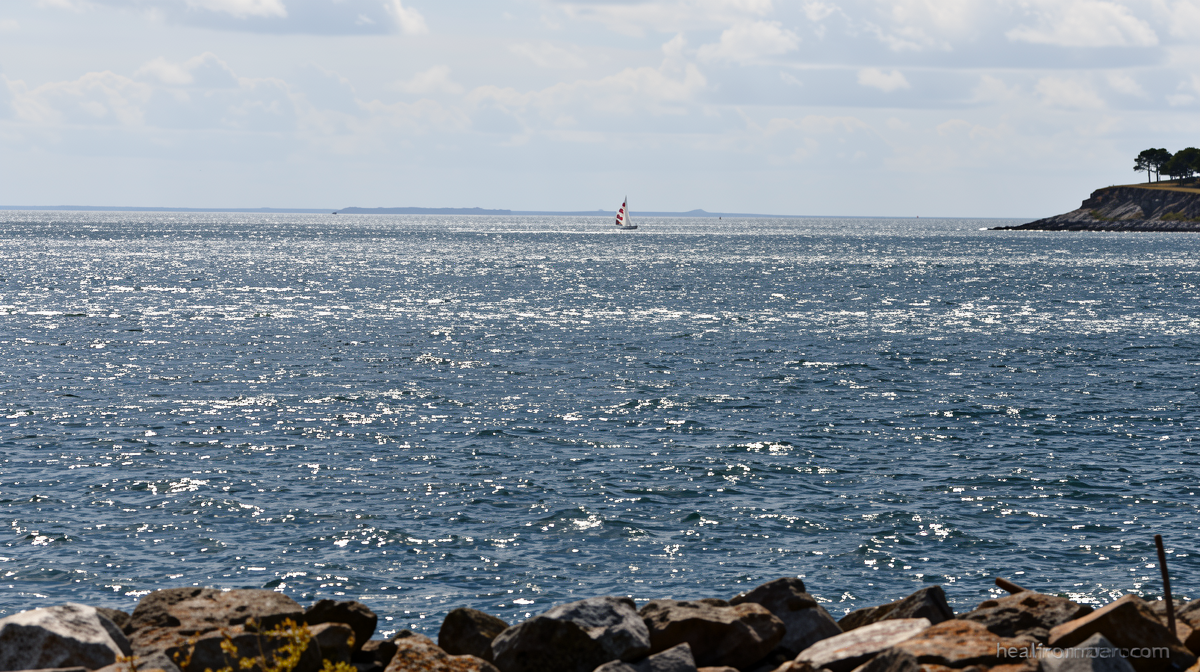
The lake in question sits at the western end of the Great Lakes chain, draining into the St. Lawrence River system via the Niagara River. It is not exclusively American or exclusively Canadian territory; rather, it is jointly administered under the Boundary Waters Treaty, an accord negotiated in the early twentieth century to prevent and adjudicate disputes over shared waters. That treaty framework means both nations hold concurrent jurisdiction over navigation, water quality, and boundary demarcation on the lake’s surface.
Trump’s executive order grants him broad authority over how U.S. federal agencies and databases label geographic features. It does not, however, extend that authority to foreign governments or to the treaty obligations both countries have accepted. Canadian officials have stressed precisely this distinction: the name on a Canadian sign, a Canadian government document, or a Canadian map remains a matter of Canadian sovereignty, regardless of what GNIS records.
Part of a Broader Pattern of Geographic Rebranding
This is not the first time the president has sought to rewrite the map. On his first day back in office in January 2024, Trump directed that the Gulf of Mexico be referred to as the “Gulf of America” in official American usage. Google issued a comparable statement at that time, confirming it had updated its platform to reflect the new federal designation. The Lake America order follows the same playbook: an executive directive, a GNIS entry change, and an automatic propagation through commercial mapping services that rely on government data feeds.
The cumulative effect is a landscape in which American users encounter a steadily expanding set of renamed features while their neighbors to the north retain the older labels. For travelers, logistics planners, and anyone cross-referencing maps across the border, the dual-naming situation introduces a layer of confusion that did not previously exist.
Other Mapping Services Hold the Line
Not every digital map has followed suit. As of Sunday afternoon, both Waze and Apple Maps continued to display the lake under its traditional name. MapQuest made its position explicit in a Thursday social media post, telling users simply: “We’re not changing it.” The divergence among platforms means that a user switching between navigation apps on the same day may encounter two different labels for the same body of water, depending on which service they happen to be using.
The episode highlights a broader question about the relationship between executive authority, international treaty obligations, and the commercial infrastructure that mediates how billions of people see the world’s geography. Whether the rename endures beyond a single administration, or whether Canadian and international partners will accept any long-term American preference for the new label, remains an open question. For now, the lake keeps two names, and the border between them runs along a line drawn in 1909.
Related Reading
Frequently Asked Questions
What is Google Maps changes Lake Ontario to Lake?
Google Maps changes Lake Ontario to Lake is the main topic of this guide. The article explains the context, practical details, and next steps readers should understand.
Why does Google Maps changes Lake Ontario to Lake matter?
Google Maps changes Lake Ontario to Lake matters because readers are looking for a useful answer, not just a short summary. Good content should match search intent and help them decide what to do next.