US strikes Iranian rocket launchers, marking first attack in a month

Daftar Isi
After a Month of Silence, American Bombers Return to Iranian Waters
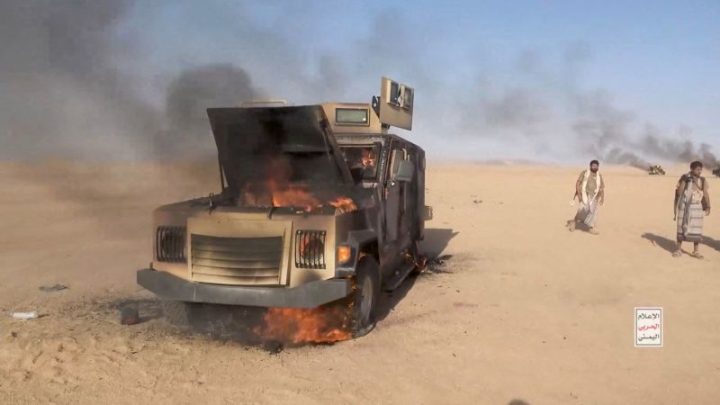
Healfromzero.com – For more than thirty days, the sky above Iran’s southern coastline had been quiet. That quiet ended on Sunday, when American aircraft dropped ordnance on two rocket launchers stationed on Larak Island, a small landmass sitting just offshore from one of the planet’s most consequential maritime corridors. The attack, confirmed by US Central Command, represented the first direct American strike on Iranian territory since late July and immediately reignited questions about whether the six-month conflict between Washington and Tehran is winding down or simply shifting gears.
What Happened on Larak Island
Capt. Tim Hawkins, the public-voice officer for US Central Command, stated that American forces targeted two Iranian launchers on the island. According to the briefing, personnel on the ground had been observed in the process of preparing to fire rockets loaded with naval mines toward the Strait of Hormuz. Residents in the vicinity reported hearing a loud explosion near the island on Sunday, as relayed through Iran’s semi-official Fars News Agency.
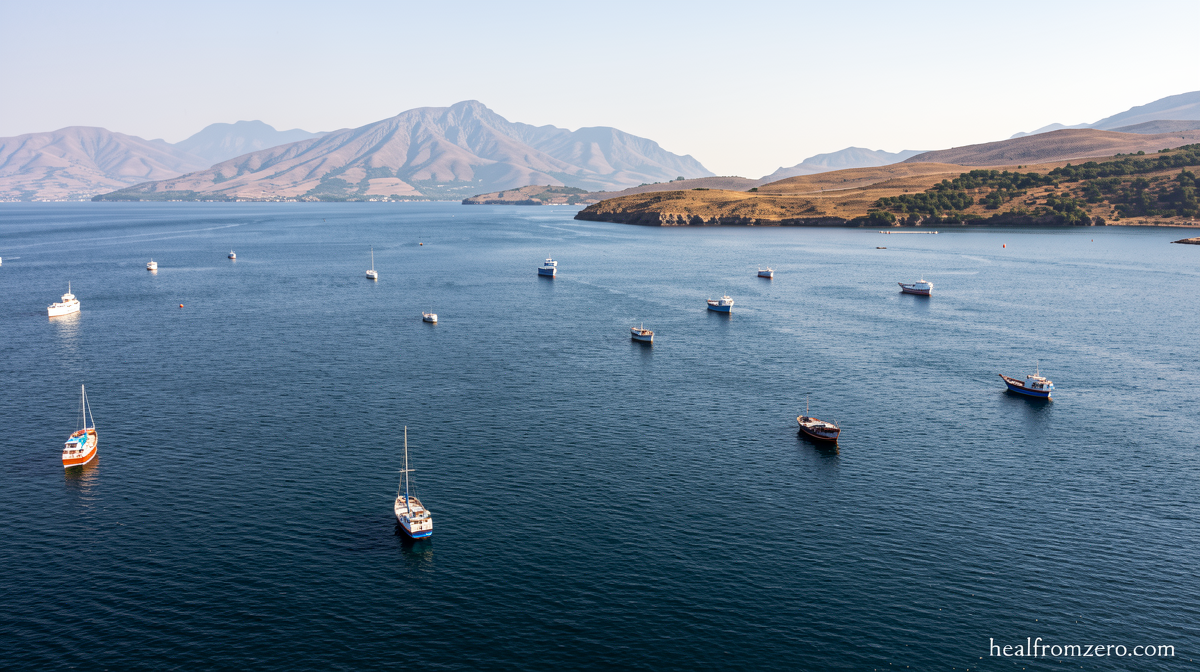
The choice of target was not arbitrary. Larak Island occupies a position that gives its occupants a direct line of sight and range into the narrow waterway through which roughly one-fifth of global petroleum shipments transit daily. A single mine dropped into that corridor can halt tanker traffic for days, sending energy prices into volatile territory and threatening the economic lifelines of dozens of importing nations.
The Mine-Clearing Backdrop
The strike landed against a specific operational context. US Central Command announced the previous week that it had finished sweeping sea mines from the strait’s designated international shipping lanes. That clearance operation had been a months-long effort, requiring specialized vessels, divers, and continuous aerial surveillance to ensure no remaining ordnance could ambush a passing vessel.
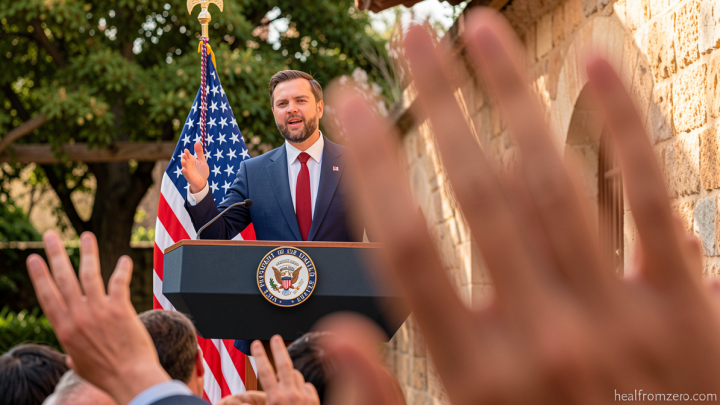
President Donald Trump addressed the situation directly on Tuesday, issuing a warning aimed at Tehran:
“Iran has been notified that any ship or boat placing new mines will be immediately and systematically destroyed.”
The administration framed the message as a threshold: the waterway had been cleaned, and any attempt to re-contaminate it would be met with proportional force. A US official added that American forces were watching the area continuously and stood ready to safeguard the free movement of commercial shipping through what the official called “this essential waterway.”
When reporters sought a White House reaction to the Sunday strikes specifically, the administration pointed them back to US Central Command for operational details.
Tehran’s Reaction and the IRGC’s Retaliation Pledge
In Tehran, the response was swift and pointed. The Islamic Revolutionary Guard Corps, Iran’s paramilitary arm that controls much of the country’s missile and drone arsenal, issued a statement on Sunday vowing retaliation. The IRGC characterized the attackers as a “US-Zionist enemy” and asserted that the bombardment of Larak Island produced casualties among both military personnel and civilians on the ground.
A spokesperson for the corps, speaking in a brief statement broadcast on state television via IRIB, labeled the American action “a strategic and deadly mistake” by the Trump administration. The language signaled that Tehran intended to treat the incident not as a limited tactical exchange but as a deliberate provocation warranting a broader response.
Diplomatic Channels Still Open — Barely
The strikes occurred while a separate diplomatic track remained technically alive. Iran and Oman were engaged in discussions about a proposed framework to normalize maritime traffic through the strait, one of the world’s most critical energy chokepoints. Regional mediators, most notably Qatar, had lent their diplomatic weight to those talks, pressing both sides toward a negotiated arrangement that would guarantee safe passage for commercial vessels.
Iranian officials, however, have consistently tied the fate of navigation through the strait to wider negotiations with Washington and to broader regional security questions. In other words, Tehran has signaled that it will not decouple the Hormuz question from its larger grievances with the United States, making any narrow maritime agreement difficult to isolate.
On Thursday, the White House stated plainly that no ongoing negotiations exist between the two countries regarding the six-month war. That declaration, combined with Sunday’s strikes, suggests the diplomatic window has narrowed considerably, even if it has not been formally closed.
The Economic Pressure Campaign
In recent weeks, President Trump has shifted emphasis from kinetic operations toward sustained economic strangulation. Last week he claimed that American financial strength would push Iran “toward a very big victory,” framing the conflict as one that could be won without further large-scale bombing campaigns.
The Treasury Department has amplified that posture by threatening a new round of punishing sanctions aimed at countries that refuse to sever economic ties with Tehran. Officials have described the measure as an “economic D-Day,” a phrase designed to convey both the scale and the intended finality of the pressure. The logic is straightforward: if Iran’s trade partners face secondary penalties for doing business with Tehran, the country’s already-strained economy could be pushed toward capitulation without another aerial campaign.
Where the Timeline Stands
Sunday’s bombardment marks the first American strikes on Iranian soil since July 29, when US forces completed what the Pentagon described as a “heavy wave of strikes” in retaliation for an attempted attack on American military positions that had taken place the previous day. That July episode represented the most intense single-day exchange of the conflict to date.
The gap between July 29 and this past Sunday — over a month without direct American strikes on Iranian territory — had led some analysts to speculate that the kinetic phase of the war was concluding. Sunday’s events complicate that reading. Whether the two-launcher strike signals a return to sustained operations or merely a calibrated demonstration of resolve remains to be seen. What is clear is that the Strait of Hormuz, the narrow ribbon of water through which the world’s energy supply flows, has once again become the axis around which American and Iranian strategy turns.
Related Reading
Frequently Asked Questions
What is US strikes Iranian rocket launchers marking?
US strikes Iranian rocket launchers marking is the main topic of this guide. The article explains the context, practical details, and next steps readers should understand.
Why does US strikes Iranian rocket launchers marking matter?
US strikes Iranian rocket launchers marking matters because readers are looking for a useful answer, not just a short summary. Good content should match search intent and help them decide what to do next.