Gang releases some women and children from group of 50 kidnapped in Haiti

Daftar Isi
Hostages Freed in Haiti After Deadly Gang Siege of Kenscoff
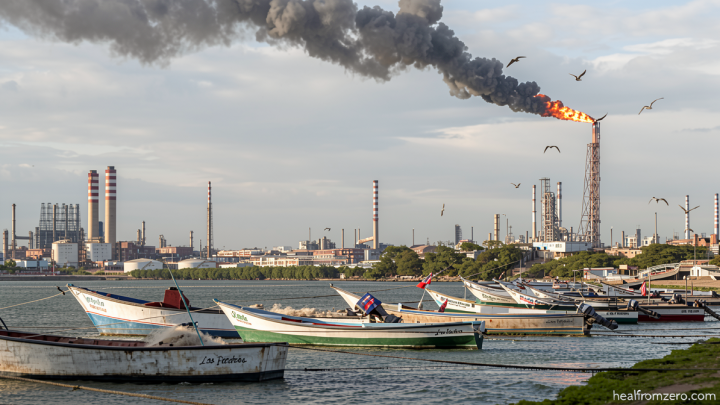
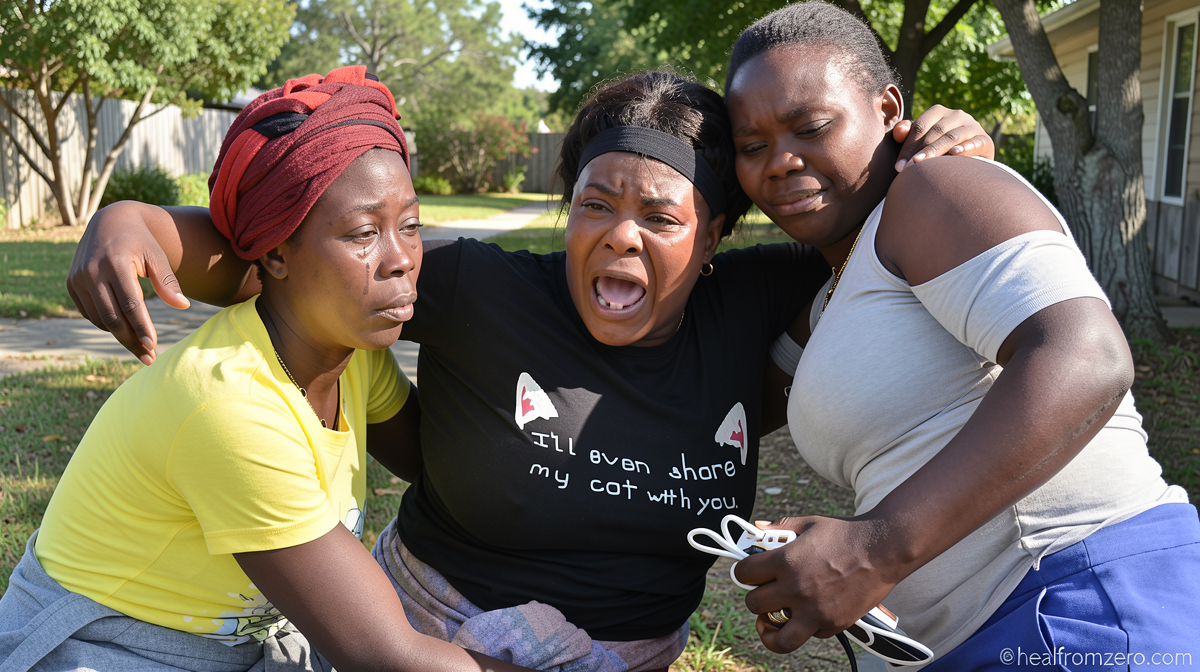
Healfromzero.com – Thirteen captives — six children and seven women — walked free on Friday after being held by a Haitian gang for nearly a week following a brutal assault on the hillside farming community of Kenscoff, located just above the capital, Port-au-Prince. UNICEF confirmed the release, noting that among those freed were three infants under two years old, a seven-year-old child, and two teenage girls. The agency said it coordinated with local community leaders to help negotiate the safe return of the women and children.
The freed hostages were part of a larger group of more than 50 people seized during the attack, which took place late Sunday and left at least 47 people dead. Whether additional women and children remain in captivity, or whether the released individuals require medical attention, was not immediately known.
A Rare Breach in a Pattern of Violence
Yannig Dussart, UNICEF’s deputy representative in Haiti, framed the release as a small but meaningful reprieve in an otherwise relentless cycle of violence aimed at the country’s youngest residents.
“This release offers a rare moment of hope amid the violence threatening children in Haiti,” Dussart said. “The Kenscoff abduction was not an isolated incident but another stark reminder of the scale and frequency of attacks on children across the country.”
While sporadic kidnappings are an almost daily reality for Haitians, mass abductions of this scale remain comparatively uncommon. Outcomes for hostages have been inconsistent: some are freed without ransom, while others have been killed even after multiple ransom payments were made. The unpredictability of these outcomes deepens fear in communities that already live under the shadow of armed groups.
Gang Power and the Threat of Execution
The attack was carried out by a faction led by a figure known as Izo 2, who commands an armed group in the Kenscoff area in coordination with other powerful gang leaders, including Izo, widely regarded as one of the most influential figures in Haiti’s criminal landscape. Izo 2 had issued a public ultimatum before the siege: if police killed any of his members while attempting to retake Kenscoff, all hostages would be executed. That threat cast a long shadow over every subsequent military and police operation in the area.
Kenscoff itself had long been a quiet agricultural settlement, its residents dependent on small-scale farming in the hills overlooking the capital. The transformation of such a community into a contested battleground underscores how far gang control has spread beyond the urban corridors of Port-au-Prince into previously untouched rural zones.
Emergency Session at the U.N. Security Council
The violence triggered an emergency meeting of the U.N. Security Council on Friday, convened at the request of the United States, Panama, and Colombia. Diplomats present described the attack in terms of horror and demanded immediate action to deploy the newly established U.N.-backed gang-suppression force and to curb the unchecked reach of armed bands across the country.
Luis Ruiz Massieu, the U.N. special envoy to Haiti, told the council that the Kenscoff massacre had ignited what he described as a fresh surge of public anger across every segment of Haitian society and among international partners.
“A new wave of public indignation across all sectors of Haiti’s society, as well as international partners,” Ruiz Massieu said.
The envoy welcomed the decision by Haitian authorities to convene the national police, armed forces, and the gang-suppression force in a joint assessment of the situation. It was agreed that the suppression force would intensify its presence in Port-au-Prince while Haitian military units would reinforce their deployment around Kenscoff. Nevertheless, the envoy and numerous council speakers pressed for a substantial increase in international security support, arguing that domestic forces alone cannot contain the scale of the threat.
U.S. Stance and the Question of Elections
Jennifer Locetta, U.S. Deputy Ambassador, told the council that Washington remains fully committed to backing Haitian-led efforts to end gang terror. She called on member states to supply equipment and resources so the suppression force can deploy without delay, and urged investment in jobs, infrastructure, and economic opportunity as a structural alternative to gang recruitment.
Locetta also pointed to statements made publicly by gang coalitions indicating their intent to prevent Haitian voters from electing representatives in a future election.
“Terrorists” can’t be allowed to take democracy hostage,” she said. “They cannot terrorize from the ends of rifles and from the comforts of toll stations – as they rob Haiti of their future. We must protect civilians against these unconscionable acts.”
Humanitarian Toll and Displacement
Indrika Ratwatte, the acting assistant secretary-general for humanitarian affairs, briefed the council on the immediate human cost of the Kenscoff attack. More than 2,600 residents were forced from their homes, many for the second or third time in recent months. Families are searching for missing relatives, traumatized and uncertain about what comes next.
The broader displacement crisis dwarfs any single incident. Nearly 1.5 million people — roughly 12 percent of Haiti’s total population — are internally displaced, and half of them are children, Ratwatte reported. He also highlighted the ongoing flow of deportations into the country, referencing expulsions from the Dominican Republic and the Trump administration’s campaign to remove Haitians living and working legally in the United States, as well as those whose visas had lapsed or who had entered without authorization.
“In the first eight months of 2026, almost 200,000 people were forcibly returned, a 10% increase compared with the same period last year,” Ratwatte said, noting that many arrived with nothing.
He described the violence directed at women, girls, and children as “shocking,” and reported that U.N. humanitarian partners had recorded over 5,500 incidents of gender-based violence in the first six months of the year — roughly 30 cases per day.
What Comes Next
The partial release of hostages from Kenscoff does not resolve the crisis. The remaining captives’ fate, the question of whether further executions will follow any police casualties, and the pace at which international forces arrive all remain open. For the families of the 47 killed and the thousands displaced, the Friday release is a narrow window of relief in a situation that, by every measurable indicator, continues to deteriorate.
Related Reading
Frequently Asked Questions
What is Gang releases some women and children?
Gang releases some women and children is the main topic of this guide. The article explains the context, practical details, and next steps readers should understand.
Why does Gang releases some women and children matter?
Gang releases some women and children matters because readers are looking for a useful answer, not just a short summary. Good content should match search intent and help them decide what to do next.