‘Loneliness influencers’ have no friends, but they say they’re happy. What they can teach us

Daftar Isi
Loneliness influencers have no friends
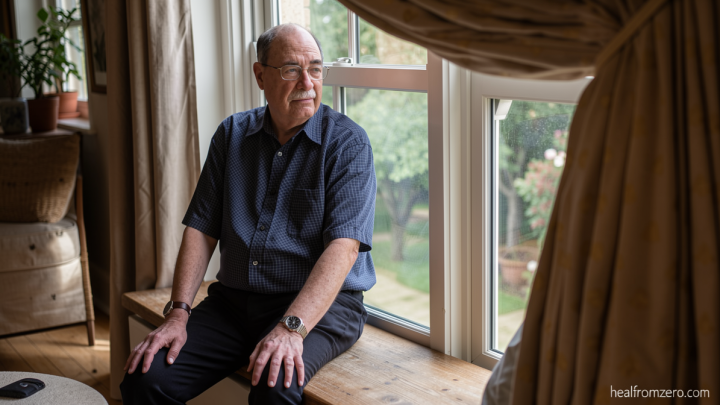
Healfromzero.com – Sarah-Jane Hoadley, a professional cleaner in Windsor, England, spends her Friday-to-Monday stretches without a single phone call or text message. She boils water for instant coffee, pedals her bike between clients’ homes, and unwinds at night curled up with her cat. Since posting her first video in January, her account @dramafreediaries on TikTok and Instagram has drawn 100 million views and roughly 500,000 followers. Hoadley is one of the creators now labeled a “loneliness influencer” — a mostly female social-media personality who frames a friendless, solitary routine as a source of quiet contentment.
What fuels the solo-lifestyle wave
The trend did not appear overnight. Lana Isa, another creator, launched a “solo vlog” series last summer documenting her empty Friday and Saturday nights in her apartment. That series ignited a cascade of similar accounts across TikTok and Instagram, turning personal documentation into a broader online conversation about mental health and independence. Women appear more visible in this niche, partly because they face less stigma when discussing emotional well-being, according to Dr. Lauren Cook, a clinical psychologist based in San Marino, California, and founder of Heartship Psychological Services.
“When I leave work on Friday to when I go back on Monday, I don’t get WhatsApps. I don’t get any phone calls, but I’m not pining for something,” Hoadley told CNN.
Critics, however, see a different picture. Phil Lane, a psychotherapist in Pennington, New Jersey, argues that these creators project a romanticized image of solitude at a moment when the World Health Organization has elevated loneliness to a global health priority. He warns that younger viewers — Gen Z, frequently called the “loneliest generation” — may absorb the aesthetic and drift toward hyper-independence. A new survey found that nearly one in four adults already reports feeling lonely, making the timing of the trend particularly contentious.
Experts urge nuance. Cook emphasizes that the effect of the content depends entirely on the viewer’s intent. If a person watches to seek peace, restoration, or solace, the material can be genuinely helpful. If it masks avoidance of vulnerability, dating, or new relationships, anxiety may be steering the narrative. Hoadley herself insists her videos are not “aspirational” and were never meant to encourage isolation.
The underlying science is sobering. Dr. Julianne Holt-Lunstad, professor of psychology and neuroscience at Brigham Young University in Provo, Utah, and director of the Social Connection and Health Lab, distinguishes social isolation (spending time alone with infrequent contact) from loneliness (the felt gap between desired and actual connection). A 2023 study she references found that individuals reporting social isolation were 32 percent more likely to die early than those with active social lives, while those reporting loneliness carried a 14 percent higher early-mortality risk. Holt-Lunstad notes that creators who openly name their solitude may be working to reduce stigma and shame around the experience, normalizing a conversation that many still find taboo.
FAQ: Loneliness influencers and everyday well-being
Do loneliness influencers actually have no friends? Most creators in this niche describe routines with little or no regular social contact, though “no friends” is a shorthand. Hoadley, for example, has a cat and a small professional circle but reports no close friendships or regular social calls.
Is watching solo-lifestyle content harmful? Research suggests context matters. Viewing the content as a model for rest and self-care can be benign or even restorative. Using it to avoid all human connection, however, may amplify the very isolation linked to elevated health risks.
What can someone do if they feel lonely? Holt-Lunstad and other researchers point to small, consistent community steps — a weekly coffee with a neighbor, a recurring hobby group, or a scheduled check-in call — as practical ways to close the gap between desired and actual social connection without requiring a wholesale lifestyle overhaul.
Why are women more visible in this creator niche? Cook attributes the gender skew partly to lower stigma around discussing emotional well-being openly, giving women more latitude to narrate solitary routines without fear of professional or social penalty.