You want to join a clinical trial. Here’s what to know about the hurdles.


Daftar Isi
The Gap Between Wanting In and Getting In: Why Clinical Trial Participation Remains Elusive
Healfromzero.com – More than seven in ten adults living with chronic illness say they would step into a clinical trial if one were offered to them. Yet the reality of the pipeline tells a far starker story. A 2020 dataset found that only 9 percent of adults had ever received an invitation to take part in a study. Meanwhile, estimates suggest that as many as 86 percent of trials fail to fill their enrollment quotas within the planned study window. The disconnect between expressed willingness and actual participation is not a mystery of apathy; it is a tangle of geography, cost, time constraints, and systemic friction that most patients navigate largely alone.
What a Trial Actually Looks Like
Many people picture a clinical trial as a single binary: new drug versus placebo. In practice, the landscape is far broader. Studies test combinations of existing medications, evaluate medical devices, examine preventive interventions such as vaccines, assess lifestyle modifications, and develop new screening or diagnostic protocols. For patients facing terminal or severely disabling conditions, enrollment can represent the most realistic path toward extending life or preserving function.
“Cancer is often a fatal disease, and clinical trials offer an opportunity to try something that may or may not be better,” said Mark Fleury, policy principal for emerging science at the American Cancer Society Cancer Action Network. “If you know the existing standard of care has an average survival of eight months, you want something with a better opportunity.”
Patient advocates also emphasize that even participants assigned to a control arm receive intensified monitoring and what is considered the gold standard of care — a level of attention many would not otherwise access through routine treatment channels.
The Barriers Are Structural, Not Psychological
Identifying a suitable study is only the first obstacle. Once a match exists, geographic incompatibility, travel costs, lodging expenses, childcare gaps, and lost wages can make participation effectively impossible for working families. Retention compounds the problem: every appointment, every side-effect check-in, every imaging scan is another point at which affordability or access can derail a participant’s continued involvement.
“Recruitment is one thing — retention is another,” said Alan Balch, executive board chair at the Patient Advocate Foundation, which operates a clinical trial search tool and maintains extensive educational materials online. “Every touchpoint is an opportunity for access and affordability to be a problem.”
The Patient Advocate Foundation’s search tool and the broader ecosystem of trial registries exist to lower the information barrier, but they do not solve the financial or logistical ones. A patient in a rural county may find the nearest eligible site hundreds of miles away, with no employer willing to grant recurring leave and no insurance covering out-of-pocket study costs.
Policy Momentum Builds in Washington
The urgency of improving enrollment and retention has drawn fresh legislative and executive attention. In June, the Department of Health and Human Services launched an initiative aimed at streamlining and strengthening clinical research infrastructure across the country. Among its components was a public request for information examining whether existing federal rules that discourage sponsors from reimbursing participants for travel and lodging should be modified.
In July, roughly 200 patient advocacy and public health organizations delivered a joint letter to the Senate sponsors of the Clinical Trial Modernization Act, pressing for its passage. The proposed legislation would permit trial sponsors to cover participants’ medical out-of-pocket costs — insurance deductibles, copayments — as well as nonmedical expenses such as transportation and childcare. It would also shield up to $2,000 in trial-related financial support from federal taxation, preventing enrollment from jeopardizing eligibility for Medicaid or other income-based assistance programs.
These moves arrive against a backdrop of shrinking federal research capacity. Staffing reductions at the National Institutes of Health have already raised alarm among oncology patients enrolled in ongoing studies, who worry that reduced oversight could compress critical treatment windows or delay safety monitoring.
Why Some Enroll for Reasons Beyond Their Own Health
Not every participant is seeking a personal cure. Some join to contribute data that may help future patients. Jim Taylor, whose wife Geri was diagnosed with Alzheimer’s disease in 2012 and died of the condition two years ago, now takes part in three observational Alzheimer’s studies that use cognitive testing and neuroimaging to chart how his own brain changes relative to those already diagnosed.
“The reason I’ve done it is so I can explain to people, with some authenticness and experience, what a trial is like,”
Taylor’s participation illustrates a dimension of trial value that enrollment statistics rarely capture: the knowledge generated by long-term observational cohorts, the peer-to-peer credibility that comes from lived experience, and the incremental scientific yield that accrues even when no new therapy is being tested.
What a Prospective Participant Can Do Now
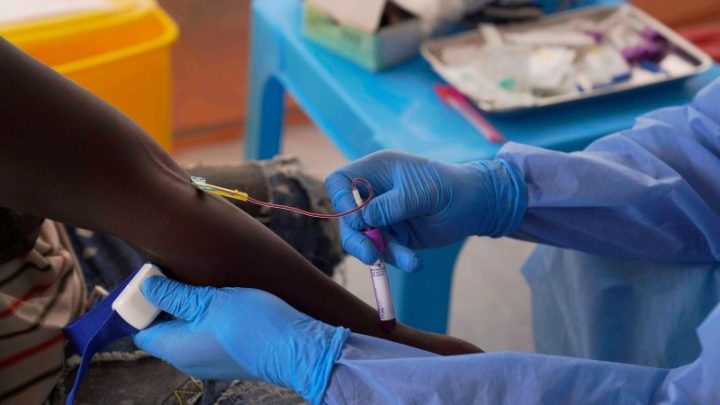
For patients weighing enrollment, several practical steps can reduce friction before it becomes a dealbreaker. Asking a treating physician directly about trial eligibility at a routine visit addresses the two-thirds gap in which providers never raise the topic. Reviewing institutional registries and the Patient Advocate Foundation’s search tool can surface studies closer to home. Confirming in advance whether the sponsor covers travel, lodging, and time away from work — and whether any compensation is tax-free under current rules — prevents mid-study financial surprises. Finally, understanding the study’s retention schedule (frequency of visits, imaging, blood draws) helps families plan childcare and employer accommodations before the first dose.
The infrastructure of clinical research exists to translate laboratory promise into bedside reality. The bottleneck is no longer scientific; it is logistical, financial, and informational. Closing that gap requires coordinated action from sponsors, regulators, employers, and the patients themselves — and the policy window opening in Congress this year represents the most concrete opportunity in years to remove the rules that currently keep willing participants on the outside looking in.
Related Reading
Frequently Asked Questions
What is You want to join a clinical?
You want to join a clinical is the main topic of this guide. The article explains the context, practical details, and next steps readers should understand.
Why does You want to join a clinical matter?
You want to join a clinical matters because readers are looking for a useful answer, not just a short summary. Good content should match search intent and help them decide what to do next.