Former Kansas Sen. Nancy Kassebaum Baker dies at 94

Daftar Isi
A Pioneer of the Senate’s Western Wing Passes at 94
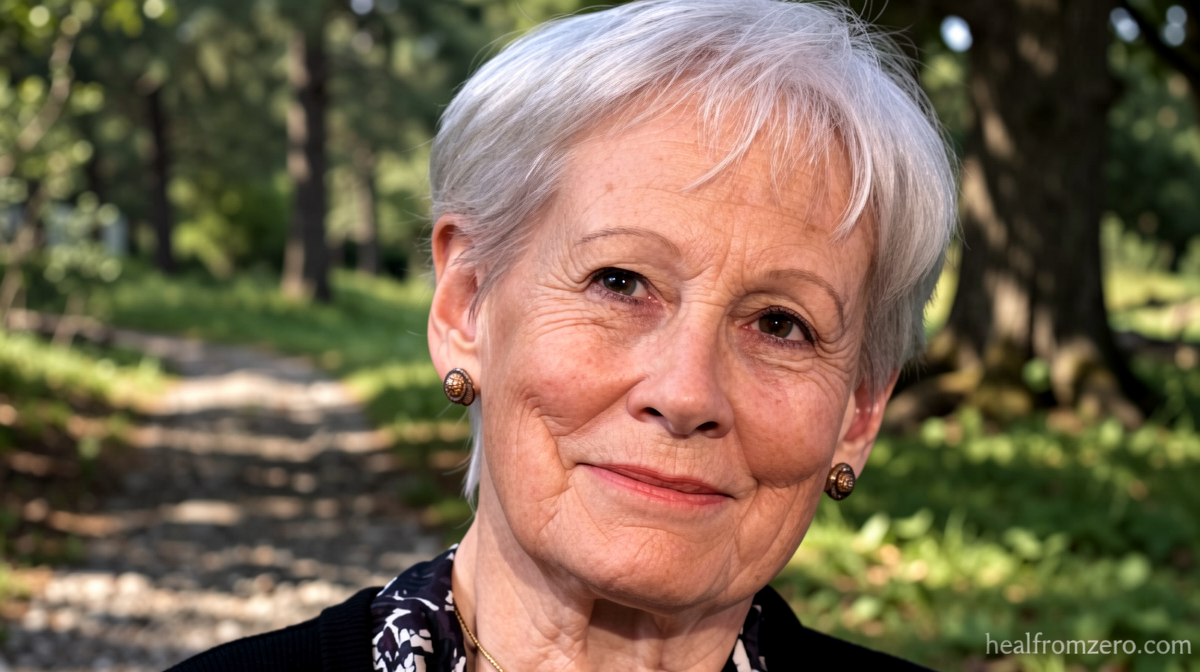
Healfromzero.com – The death of Nancy Kassebaum Baker on Friday, at age 94, closes a chapter in American politics that stretched from the oil fields of Independence, Kansas, to the marble corridors of the United States Senate. Her son, Bill Kassebaum, confirmed the passing was due to natural causes and offered a portrait of his mother that captured both her devotion to home state and her stubborn independence within her own party.
“She loved Kansas. She loved people from Kansas and representing Kansas for 18 years in the US Senate,” Bill Kassebaum told The Associated Press. “She was an independent-minded Republican who was willing to stand up for what she thought was right, even if that meant going against the party.”
A Daughter of the Landon Legacy
Born on July 29, 1932, in Independence, Kansas, she entered the world while her father, oilman Alf Landon, was campaigning for his first of two terms as governor. That father would go on to become the Republican nominee for president in 1936, losing overwhelmingly to incumbent Franklin Roosevelt yet later earning a reputation as an elder statesman whose name graced a lecture series at Kansas State University drawing presidents and foreign dignitaries. The Landon political shadow lingered over Nancy’s early Senate years, though she eventually carved out a distinct identity of her own.
She earned a political science degree from the University of Kansas and a master’s in diplomatic history from the University of Michigan in the mid-1950s. Before entering elected politics, she worked as a radio-station executive, spent a year in the 1970s on the staff of Kansas Senator James Pearson, and served on the school board in Maize, a Wichita suburb. She had four children with her first husband, Phil Kassebaum — among them Bill, who later served a term in the Kansas House — before their marriage ended in divorce in 1979.
The 1978 Gamble
When she decided to seek the Senate seat, she reasoned that “a woman with a background different from a man might be appealing” to voters fatigued by partisan theater. Pundits estimated the race would demand roughly $1 million — a staggering sum for Kansas at the time. In the first quarter of 1978, she had spent less than $12,000 and described herself as sitting “at the bottom of the totem pole.”
Nine candidates crowded the Republican primary, including three state senators and a prominent Wichita businessman. She nonetheless captured the GOP nomination with fewer than 31 percent of the vote. Running under the name Nancy Landon Kassebaum, she then defeated former two-term Democratic congressman Bill Roy in November with nearly 54 percent of the ballot, becoming the first woman elected to the Senate in her own right rather than appointed to fill a spouse’s vacancy.
Moderate Politics in a Polarizing Era
Her moderate, progressive Republicanism — a lineage she shared with her father — quickly surfaced. Within months of taking office she declined to endorse a proposed constitutional amendment mandating a balanced budget, warning: “We should be wary of the seemingly simple solution.” Later, she voted in favor of the assault-weapons ban championed by President Bill Clinton, a Democrat, a move she said generated the angriest mail of her career. Yet unlike other GOP moderates of the period, she never alienated Kansas conservatives to the point of electoral peril.
She won reelection in 1984 with 76 percent of the vote and again in 1990 with 74 percent. By the time she announced her retirement, she was one of only eight women serving in the Senate and the sole woman chairing a committee — the Labor and Human Resources panel. A 1996 health-insurance statute carried her name alongside that of liberal Massachusetts Senator Ted Kennedy, a pairing that underscored her cross-aisle working style.
Later Years and Personal Life
In 1996 she married former Senator Howard Baker, a Tennessee Republican who had served as White House chief of staff under Ronald Reagan. He died in 2014. She left the Senate early in 1997 and returned to a ranch and a 90-year-old farmhouse in Kansas’ Flint Hills, where she planned to babysit her seven grandchildren and two great-grandchildren. Asked about the trappings of power, she quipped: “I’d rather cuddle up and do needlepoint all day.”
Her father, who had cast such a long shadow over her early career, died at age 100 in 1987. Nancy Kassebaum Baker’s own legacy, however, was built not on inheritance but on a willingness to cross party lines when conviction demanded it — a quality that made her an enduring icon for Kansans across the political spectrum and a rare figure in a Senate that has grown increasingly ideologically rigid since her departure.
Related Reading
Frequently Asked Questions
What is Former Kansas Sen Nancy Kassebaum Baker?
Former Kansas Sen Nancy Kassebaum Baker is the main topic of this guide. The article explains the context, practical details, and next steps readers should understand.
Why does Former Kansas Sen Nancy Kassebaum Baker matter?
Former Kansas Sen Nancy Kassebaum Baker matters because readers are looking for a useful answer, not just a short summary. Good content should match search intent and help them decide what to do next.