Military drills between US and South Korea cut short at Washington’s request


Daftar Isi
Washington Halves Joint Drills with Seoul, Citing Personal Ties to Pyongyang
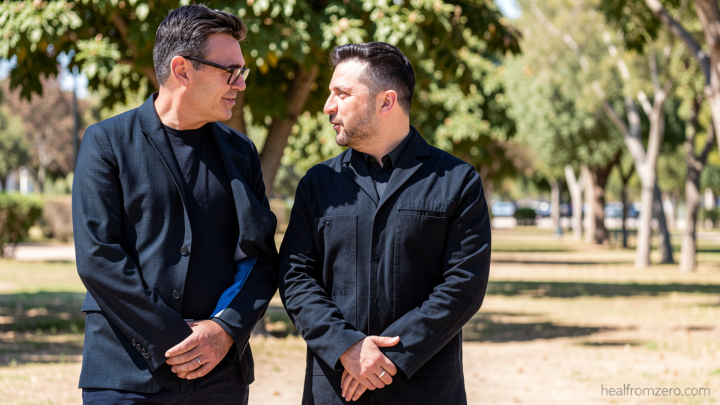
Healfromzero.com – The annual Ulchi Freedom Shield exercise — a ten-day combined military operation involving tens of thousands of troops from two allied nations — will wrap up five days early. What was scheduled to run through the end of August will now conclude on Friday, August 21, after the White House directed a substantial scaling back of the event. The abrupt compression of the timetable landed just days after President Donald Trump publicly urged his defense secretary to shrink the exercise, pointing to what he described as a warm personal rapport with North Korean leader Kim Jong Un.
What Was Cut and What Remains
A Pentagon spokesperson confirmed the reduction in scope, explaining that live-fire and field-training components had been trimmed while core tactical preparation continued under modified conditions.
“Based on direction from the President and Secretary of War, the Department has substantially reduced Exercise Ulchi Freedom Shield while continuing training that enhances tactical capability. Associated live-training events have been reduced, with certain events canceled or converted to simulations. These adjustments preserve essential readiness and training objectives. There will be no degradation to US training objectives.”
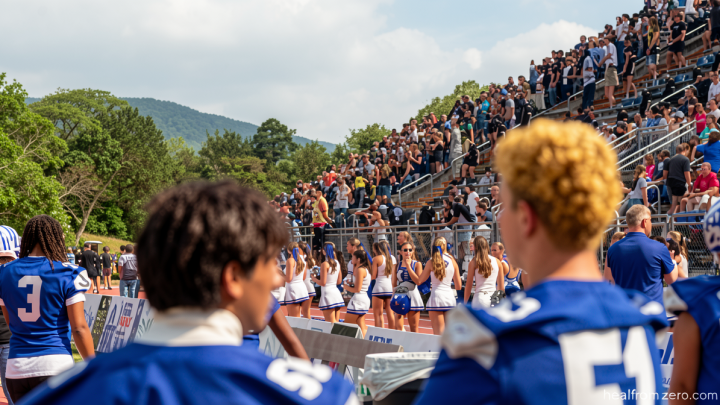
South Korea’s defense establishment acknowledged that the partial adjustment to both the duration and scale of the exercise was made at the explicit request of Washington. At least 18,000 South Korean service members had been slated to participate in the full-length version of the drill, which this year was specifically tailored to rehearse responses against North Korean drone swarms, GPS-jamming tactics, and cyber-attack scenarios, according to a US Forces Korea spokesperson who briefed reporters the previous week.
Trump’s Stated Rationale
In a Truth Social post on Sunday, Trump said he had instructed Secretary of Defense Pete Hegseth to pull back on the exercise because continuing at full scale would send what he called a “totally inappropriate and hostile” message toward Pyongyang. He framed the decision around his “very good relationship” with Kim and added that North Korea had behaved in a manner he described as “unthreatening and respectful” throughout his presidency. He also pointed to what he characterized as Seoul’s failure to assist the United States in the ongoing Iran conflict as a factor in his calculus.
The president further noted that he had recently spoken with Kim, though he declined to elaborate on the substance of those conversations. Addressing reporters in the Oval Office on Monday, he offered only: “I understand him. He understands me.” He brushed aside criticism that his posture toward Pyongyang was subordinating the interests of a decades-old ally, insisting that his approach made the broader international environment safer.
Seoul’s Response and the Alliance Question
South Korean President Lee Jae Myung addressed the shortened exercise on Tuesday, emphasizing that the drills were never meant to provoke their northern neighbor. He characterized the operation as “a defensive exercise” aimed at preserving stability on the peninsula and protecting civilian lives, and pledged that South Korea would “maintain an unwavering state of readiness” regardless of the reduced schedule.
Seoul’s military leadership said on Wednesday that the two countries would now sit down to “discuss and implement various measures to achieve the goals of UFS exercise and establish combined defense posture going forward,” signaling an intent to recover lost training value through alternative arrangements.
The move has sharpened an already tense debate inside South Korea about the reliability of its most important security guarantor. The two nations have maintained a mutual defense treaty for more than seven decades, a compact originally forged to shield Seoul from a North Korean state that has since grown into a burgeoning nuclear power. Kim, who has markedly expanded his country’s missile and warhead inventory since Trump’s first term and is now believed to possess dozens of nuclear weapons, has not publicly commented on the president’s call for reduced drills. Yet North Korea’s state broadcaster KCNA published an article on Wednesday — hours before the shortened timetable became public — labeling the exercises “the most immediate and open threat” to Pyongyang and to regional stability. The annual UFS has drawn Pyongyang’s ire for years, and the latest episode is likely to reinforce that perception.
Strategic Context and What Comes Next
South Korea hosts Camp Humphreys, the largest American military installation outside the continental United States, and the two militaries conduct combined exercises on a recurring cycle. The exercise’s compression therefore touches not only a single annual event but the broader architecture of deterrence that has underpinned the peninsula’s uneasy peace since the Korean War armistice of 1953.
Trump has repeatedly signaled a desire to meet Kim again, following their last face-to-face encounter in 2019 — the occasion on which the American president briefly crossed the military demarcation line, becoming the first sitting US president to set foot on North Korean soil. Whether that diplomatic overture will materialize, and at what cost to the alliance with Seoul, remains the central question the shortened exercise has thrown into sharper relief.
The situation is developing and may evolve as both capitals negotiate the practical details of the revised training calendar.
Related Reading
Frequently Asked Questions
What is Military drills between US and South?
Military drills between US and South is the main topic of this guide. The article explains the context, practical details, and next steps readers should understand.
Why does Military drills between US and South matter?
Military drills between US and South matters because readers are looking for a useful answer, not just a short summary. Good content should match search intent and help them decide what to do next.