
Challenging fire weather will return to Pacific Northwest as crews battle destructive Spokane blazes
Challenging Fire Weather Will Return to Pacific Northwest This Weekend
Healfromzero.com – Challenging fire weather will return to the Pacific Northwest as emergency crews continue battling destructive wildfires in the Spokane region. A new weather pattern bringing stronger winds and elevated temperatures is expected to arrive this weekend, potentially complicating containment efforts that have made progress over recent days. The combination of heat and gusty conditions could reignite dormant spots or push flames into previously secured areas across eastern Washington.
Spokane Fire Complex Continues to Expand
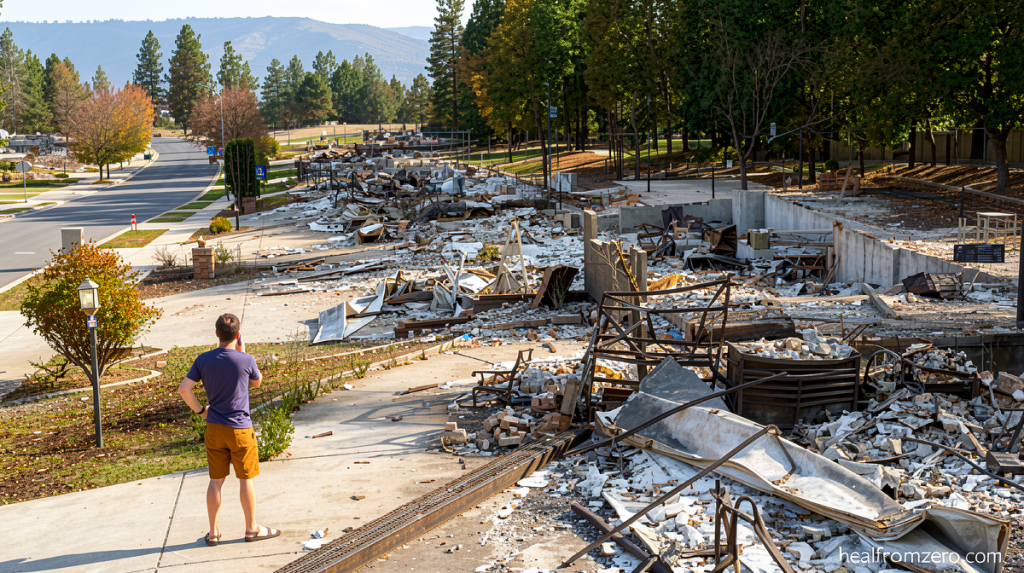
Three separate fires burning near Spokane in eastern Washington have consumed more than 10,000 acres since they began on Saturday. The blaze complex has destroyed hundreds of residential structures and homes, forcing tens of thousands of residents to evacuate their neighborhoods. While many displaced families have begun returning to assess damage, officials caution that the situation remains fluid.
Spokane County Sheriff John Nowels emphasized that evacuation orders will persist through the coming days as fire conditions worsen.
We are not going to be downgrading these zones in any large way for many, many more days to come,
Nowels stated, according to Associated Press coverage. The sheriff noted that the incoming weather system will likely prevent any significant reduction in evacuation zones until conditions stabilize.
Arson Investigation Progresses
Law enforcement officials have identified and charged a Spokane resident with first-degree arson in connection with one of the fires. The suspect is scheduled for arraignment proceedings on Thursday. Investigators credited a local grandfather’s quick thinking with helping them identify the potential suspect, demonstrating how community vigilance contributed to the investigation.
Regional Fire Activity Intensifies
While Spokane receives considerable attention, the Pacific Northwest is experiencing widespread fire activity. Dozens of active blazes are burning across both Washington and Oregon simultaneously, creating a regional smoke blanket that has degraded air quality to unhealthy and very unhealthy levels since the beginning of the week. This fire season ranks as the most severe in more than three decades for both states, with scientists attributing much of the intensity to human-caused climate change.
An intense area of high pressure has settled over the western United States, effectively trapping smoke near the surface. This atmospheric pattern limits wind movement at ground level, preventing the smoke from dispersing and keeping air quality compromised across the region. The stagnant conditions are expected to persist through the weekend.
Weather Forecast Details
Thursday will bring relatively stable conditions for fire crews, though temperatures are expected to climb into the mid-90s in the Spokane area. Smoke coverage may provide some natural cooling by blocking direct sunlight, potentially keeping temperatures slightly below forecasted highs.
Fire danger will increase beginning Friday, with the most challenging conditions anticipated on Saturday. A fire weather watch has been issued for Spokane and the remainder of eastern Washington for Saturday. Winds will strengthen during Friday, with peak gusts reaching 15 to 20 miles per hour. While these speeds are sufficient to transport embers and challenge containment lines, they remain substantially lower than the nearly 50-mile-per-hour gusts that drove the fires’ initial rapid expansion last weekend.
Friday temperatures could reach the upper 90s, approximately 10 degrees above normal for this period. Winds will diminish overnight but intensify again Saturday afternoon, with gusts potentially reaching 25 miles per hour alongside mid-90s temperatures. This pattern mirrors conditions expected through Sunday, with daytime wind increases and nighttime lulls.
Central Washington and Oregon Impacts
The challenging weather pattern extends well beyond eastern Washington. Central Washington is expected to experience even stronger winds, with gusts potentially reaching 30 miles per hour beginning Friday. These elevated wind speeds increase the risk of erratic fire behavior and unpredictable spread patterns. A fire weather watch has been issued for central Washington covering both Friday and Saturday.
Similar to Spokane, the windiest periods in central Washington will occur during daytime hours from Friday through Sunday, with calmer conditions overnight. Central and eastern Oregon will also encounter periods of gustier winds throughout the day. Areas already experiencing active fires could see gusts up to 20 miles per hour, while the lower Columbia River Basin in northern Oregon may experience winds reaching 35 miles per hour.
Frequently Asked Questions
When will challenging fire weather will return to the Pacific Northwest?
Challenging fire weather will return to the Pacific Northwest starting Friday, with the most severe conditions expected on Saturday. A fire weather watch has been issued for Spokane and eastern Washington for Saturday, with similar conditions anticipated through Sunday.
How many acres have been burned in the Spokane area?
Three separate fires burning near Spokane in eastern Washington have consumed more than 10,000 acres since they began on Saturday. The blaze complex has destroyed hundreds of residential structures and homes.
Are evacuation orders still in effect for Spokane residents?
Yes, evacuation orders will persist through the coming days as fire conditions worsen. Spokane County Sheriff John Nowels stated that zones will not be downgraded in any large way for many more days to come.
What is causing the poor air quality in the region?
An intense area of high pressure has settled over the western United States, effectively trapping smoke near the surface. This atmospheric pattern limits wind movement at ground level, preventing the smoke from dispersing and keeping air quality compromised across the region.
How does this fire season compare to previous years?
This fire season ranks as the most severe in more than three decades for both Washington and Oregon, with scientists attributing much of the intensity to human-caused climate change.