Young men storm a Congo hospital treating Ebola patients to demand bodies of their relatives

Daftar Isi
Young Men Storm Congo Hospital Over Ebola Bodies
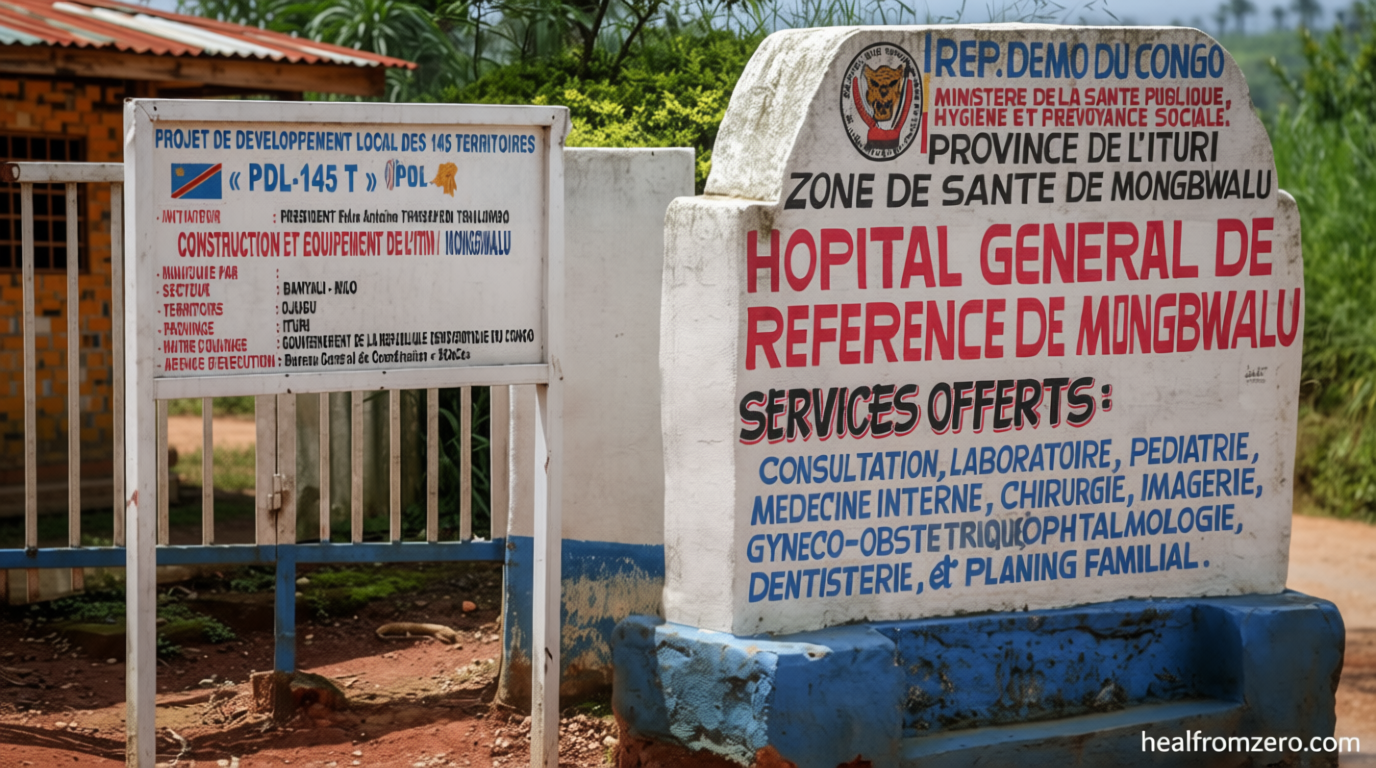
Young men storm a Congo hospital – On Sunday evening, a group of local men took over the Mongbwalu General Hospital in eastern Congo, demanding the retrieval of two bodies of their relatives from the facility. Dr. Richard Lokudu, the hospital’s medical director, confirmed that the attackers, who entered the premises with gunfire, were seeking the remains of loved ones. Medical staff swiftly evacuated patients to ensure safety during the commotion, though details about injuries or the attackers’ identities remain unclear. Lokudu stated over the phone that the hospital was placed on general alert, but no further information was released about the incident or its implications.
Escalating Tensions in Healthcare Facilities
The assault at Mongbwalu General Hospital marked the third attack on healthcare sites in the region within a week, signaling mounting frustration among communities over the Ebola outbreak. Medical workers, already stretched thin by limited resources, now face additional challenges as public trust wavers. The World Health Organization (WHO) has classified the situation as a public health emergency of international concern, emphasizing the urgency of controlling the virus. Yet, the spread of Ebola continues to strain authorities, with resistance to containment measures growing among residents.
“The hospital is now on general alert,” said Lokudu, highlighting the immediate danger from the attack. He noted that the medical team prioritized securing the area and relocating patients quickly to prevent further chaos.
Similar incidents have erupted recently, with residents of Mongbwalu, in Ituri province, targeting a Doctors Without Borders tent used to isolate suspected Ebola cases. The attackers set the structure ablaze, forcing staff to flee. Lokudu revealed that 18 individuals with potential infections had exited the facility during that attack, leaving their condition uncertain. These events reveal a pattern of distrust in containment efforts, often linked to cultural practices and fears surrounding the virus.
Community Resistance and Strict Measures
Congolese authorities have introduced stringent protocols to curb the virus’s spread, including a ban on funeral gatherings exceeding 50 people in northeastern Congo. This restriction, announced on Friday, followed a surge in reported cases. The ministry of communication later confirmed 904 suspected Ebola cases, up from over 700. However, regional death tolls appeared inconsistent, with the ministry stating 119 total deaths while separate regional figures totaled 220. Officials could not resolve the discrepancy, adding to the confusion about the outbreak’s scale.
The Bundibugyo strain of Ebola, a rare variant, has driven this crisis. Unlike other types, there is no existing vaccine for this strain, complicating containment efforts. The outbreak in Ituri province began undetected for weeks after the first reported death in late April in Bunia, the capital. Authorities initially tested for a different strain, missing the Bundibugyo variant’s spread. This delay has worsened the situation, as the virus’s transmission dynamics differ from more common strains.
“The risk level in Congo has been upgraded to ‘very high,’” said the WHO, reflecting the escalating threat. While the global spread remains unlikely, the organization stresses the need for community cooperation to sustain containment efforts.
Meanwhile, the International Federation of Red Cross and Red Crescent Societies reported three volunteer deaths in Mongbwalu from the outbreak. The agency suggested the fatalities occurred during a humanitarian mission unrelated to Ebola, implying the virus’s timeline might have been earlier than previously documented. These losses underscore the dangers faced by those working on the front lines, even outside direct patient care.
As the outbreak progresses, tensions between health officials and local populations intensify. Young men storm a Congo hospital, escalating fears that containment strategies may face further resistance. The attack highlights the emotional and cultural stakes in the fight against Ebola, as families grapple with the loss of loved ones and the impact of quarantine measures. With the situation remaining volatile, authorities must balance public health needs with community concerns to prevent more disruptions to critical care operations.