
Western US heat dome brings dangerously hot temperatures to tens of millions
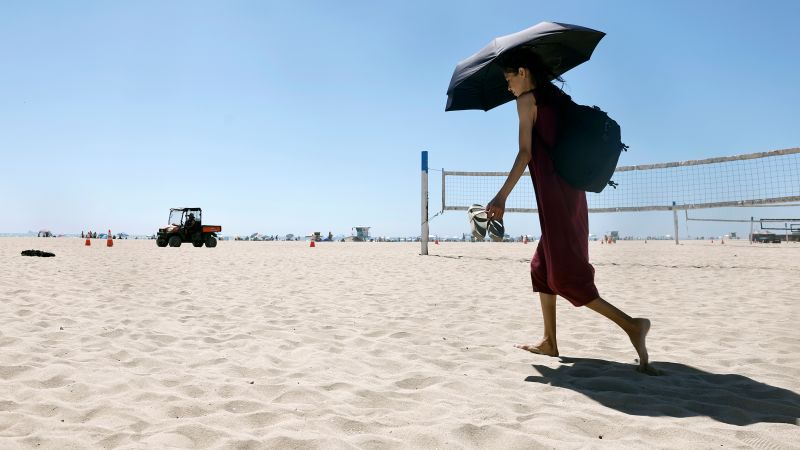
Western US Heat Dome Brings Extreme Temperatures to Millions
Healfromzero.com – Western US heat dome brings dangerously hot conditions to tens of millions of residents across the western United States this week. An exceptionally powerful atmospheric ridge has settled over the region, creating hazardous heat patterns that will persist through the weekend. Approximately 45 million people are under some form of heat advisory or warning as of Sunday, with the most severe conditions concentrated in California, Nevada, and Arizona. However, the affected area stretches considerably farther northward, reaching into British Columbia and the Pacific Northwest states.
Health Risks and Vulnerable Populations
The National Weather Service identifies extreme heat as the number one weather-related killer in the United States annually. What makes this current event particularly dangerous is the combination of daytime highs and elevated nighttime temperatures. Cities like Phoenix and Las Vegas are experiencing overnight lows that remain in the upper eighties and early nineties, preventing residents from getting proper relief. This lack of nighttime cooling is especially problematic for elderly individuals, young children, and those without reliable air conditioning access.
Emergency rooms across affected regions are preparing for increased patient volumes. Heat exhaustion, heat stroke, and dehydration-related complications are expected to surge as temperatures continue climbing. Public health officials are urging residents to check on neighbors and family members who may be particularly vulnerable during this extended heat event.
Wildfire Conditions Worsen
Beyond the immediate health concerns, the Pacific Northwest is facing escalating wildfire threats. Oregon and Washington have already seen their fire season progress at an unusually rapid pace this year. A Level 1 of 3 elevated fire danger classification remains in effect for significant portions of both states on Sunday.
“Historically strong winds” combined with unusually low humidity created dangerous conditions in the Spokane area, where a fast-moving fire prompted mandatory evacuation orders for thousands of residents.
Multiple large wildfires continue burning across the region. While Saturday brought slightly cooler temperatures, gusty wind patterns and persistently dry air are keeping fire danger elevated. The National Weather Service issued a Particularly Dangerous Situation Red Flag Warning for Central and Eastern Washington on Saturday—a designation reserved for the most severe fire weather scenarios.
Climate Change Connections
Scientific studies increasingly link human-driven climate change to the growing frequency and intensity of heat dome events. Research indicates that these atmospheric patterns are not only becoming more common but also lasting longer and producing higher temperatures than historical averages. Scientists are actively investigating whether particularly strong and slow-moving heat domes are becoming more frequent as global temperatures continue rising.
This summer has already witnessed several distinct heat dome events impacting both the United States and European nations. The current Western US heat dome brings conditions that meteorologists say are becoming increasingly typical of what we can expect in coming decades.
What Residents Should Know
Stay hydrated and limit outdoor activities during peak heat hours, typically between 10 a.m. and 4 p.m. Check on elderly neighbors and those with medical conditions who may be at higher risk. If you must be outdoors, wear lightweight, light-colored clothing and apply sunscreen regularly. Keep vehicle windows slightly open when parking to allow heat to escape.
For wildfire-prone areas, create defensible space around your home by clearing dry vegetation. Have an evacuation plan ready and know your local evacuation routes. Monitor air quality alerts, as smoke from distant fires can affect regions far from the actual fire locations.
Frequently Asked Questions
How long will the Western US heat dome bring these extreme conditions? Meteorologists expect the heat to persist through at least the end of the week, with gradual cooling possible early next week depending on atmospheric changes.
Which areas are most at risk from wildfires? Central and Eastern Washington, along with portions of Oregon, face the highest immediate wildfire danger due to the combination of heat, wind, and dry vegetation.
Should I be concerned about air quality? Yes, air quality alerts have been activated for extensive areas of Washington and Oregon due to smoke pollution from ongoing wildfires. Check local air quality indexes before outdoor activities.
How does this compare to previous heat events? This Western US heat dome brings temperatures and duration that exceed many recent events, with some areas experiencing their hottest conditions in over a decade.