UK intercepts Russian ‘shadow fleet’ tanker for first time

UK Intercepts Russian ‘Shadow Fleet’ Tanker for First Time
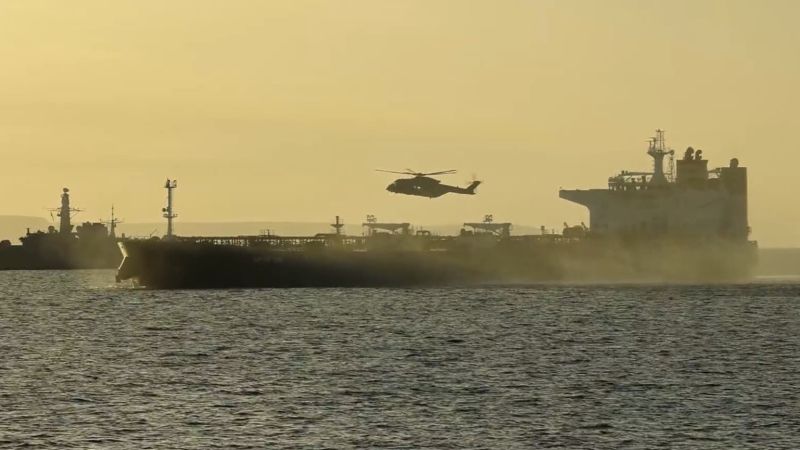
UK intercepts Russian shadow fleet tanker – British armed forces have successfully detained an oil tanker linked to Russia’s shadow fleet in the English Channel, marking a historic first for the nation. Prime Minister Keir Starmer announced the operation in a statement posted on X, emphasizing its strategic significance. “During the early hours of the morning, I ordered our Armed Forces to intercept a shadow fleet oil tanker attempting to transit the English Channel,” Starmer said. “This achievement not only disrupts Russia’s supply chain but also sends a clear message to those supporting Putin’s war in Ukraine: we will not allow them to operate in secrecy.”
Operation Against the Shadow Fleet
The intercepted vessel, the Cameroon-flagged Smyrtos, was part of a network of ships Russia uses to circumvent international sanctions. This fleet, often operating under neutral flags, facilitates the transport of oil to destinations like Egypt’s Port Said, bypassing restrictions on direct shipments to Europe. The UK’s move targets this covert system, which has been a key method for Russia to sustain its military efforts in Ukraine. The operation involved commandos and the National Crime Agency, who boarded the ship to seize its cargo and documents.
According to ship tracking data, the Smyrtos arrived at the Russian port of Luga Bay on June 5 and departed the Baltic Sea six days later. Its intended route suggested a journey to Port Said, where it would likely offload its cargo. The tanker’s capture followed a series of similar actions by France, which has previously detained vessels in the same network. However, this is the first time British forces have executed such an interception, highlighting a shift in the UK’s approach to combating Russian economic aggression.
Political and Strategic Implications
Starmer’s announcement coincided with the recent appointment of Dan Jarvis as the new Defense Secretary. This change came after John Healey resigned over disagreements regarding military budget allocations. Jarvis, a former Labour leader, has emphasized the need for stronger measures against Russia’s shadow fleet, stating, “Russia depends on its shadow fleet to fund its conflict in Ukraine, and our interdiction delivers a direct blow to Putin’s illegal war.”
The operation is part of broader efforts to cut off Russia’s access to global markets. The UK has already sanctioned the Smyrtos last year for its role in transporting Russian oil, but this interception represents a more active enforcement of those sanctions. By seizing the vessel, British authorities aim to disrupt the flow of resources and hold Russian entities accountable for their actions. The National Crime Agency’s involvement underscores the cross-departmental coordination required to tackle such complex operations.
Zelensky, the Ukrainian president, welcomed the UK’s actions, calling for urgent legislative measures across Europe. “Europe must take legislative steps to enable not just the detention of tankers and restrictions on oil shipments, but also the seizure of the oil they carry,” Zelensky said in a statement. “This demonstrates that our allies are committed to targeting Russia’s financial lifelines.”
Kremlin’s Response to the Interception
In contrast, a Kremlin representative, Kirill Dmitriev, criticized the move, framing it as a political distraction. “Starmer is using the detention of a tanker to divert attention from the UK’s migrant crisis,” Dmitriev stated. “While the operation is symbolic, it does little to address the real challenges facing the country.”
The interception of the Smyrtos has sparked discussions about the effectiveness of sanctions and the need for more aggressive tactics. Analysts note that the shadow fleet’s flexibility allows Russia to evade scrutiny, but the UK’s success in this operation may pressure other nations to take similar actions. The vessel’s Cameroon flag, while neutral, has drawn attention to the role of third-party countries in enabling Russian trade.
Details of the Smyrtos’s cargo and documentation are being analyzed to confirm its ties to sanctioned Russian oil. The National Crime Agency has confirmed that the ship was carrying crude oil, though the exact origin and volume remain under investigation. This case is expected to set a precedent for future operations targeting the shadow fleet, potentially leading to more coordinated efforts among European nations.
Historical Context and Future Outlook
Russia’s shadow fleet has become a critical tool for bypassing economic sanctions since the invasion of Ukraine in 2022. By utilizing neutral flags and diverse shipping routes, the fleet has allowed Moscow to continue exporting oil at a significant scale. The UK’s interception adds another layer to this strategy, targeting both the vessels and their cargo directly.
Starmer’s government has positioned itself as a leader in countering Russian influence, with the Smyrtos incident reinforcing this stance. The operation highlights the UK’s ability to act independently in the English Channel, a strategic waterway that connects the North Sea to the Atlantic. Analysts suggest that such actions could pressure Russia into negotiating or adjusting its supply methods, though the long-term impact remains to be seen.
As the UK strengthens its maritime surveillance capabilities, the focus on the shadow fleet is expected to intensify. The National Crime Agency has expanded its role in monitoring suspicious shipments, working alongside naval forces to identify and intercept vessels linked to Russian oil exports. This collaboration marks a new phase in the UK’s strategy to counter Russian economic activities, combining law enforcement with military action.
Broader Impact on International Sanctions
The Smyrtos case is a testament to the evolving nature of international sanctions. While sanctions have been effective in limiting direct access to European markets, the shadow fleet has allowed Russia to maintain a steady flow of oil to Asia and Africa. The UK’s interception of the Smyrtos demonstrates a shift from financial penalties to operational enforcement, which could have a more immediate effect on Russia’s supply chain.
Experts argue that the success of this operation may encourage other nations to adopt similar measures. For example, the EU has discussed tightening regulations on neutral-flagged ships suspected of transporting Russian oil. The UK’s action could also influence the UK’s domestic policies, with lawmakers debating the need for more robust legislation to support such interventions.
Meanwhile, the Kremlin continues to assert its economic resilience, highlighting the importance of alternative routes. However, the interception of the Smyrtos has exposed vulnerabilities in the shadow fleet’s operations. As more ships are targeted, the question remains: how many more will be caught before the network adapts to new challenges? The UK’s proactive stance may signal a broader trend in the fight against Russian oil smuggling, with potential ripple effects across global trade networks.
In conclusion, the UK’s interception of the Smyrtos represents a significant milestone in the ongoing battle against Russian economic expansion. It not only disrupts the shadow fleet’s operations but also underscores the UK’s commitment to holding Russia accountable. As the nation builds on this success, the focus will remain on expanding its capabilities to target the network effectively, ensuring that Russia cannot sustain its conflict without facing consequences.