
Scientists identify ‘ghost’ of a long-extinct relative in humans today
Scientists identify ‘ghost’ of a long-extinct relative in humans today
Scientists identify ghost of a long – For millions of years, Homo erectus has stood as a pivotal chapter in the story of human evolution. As the first species to venture beyond Africa, it traversed vast continents and thrived for nearly two million years before fading into history. Yet, despite its central role, the genetic legacy of this ancient hominin has remained elusive. Fossils of Homo erectus have been discovered across Africa, Asia, and Europe, but extracting meaningful molecular data like DNA has been difficult due to the age of the remains and their limited preservation. Now, a groundbreaking discovery has shed new light on this species, revealing a hidden connection between Homo erectus and modern humans through the analysis of ancient proteins.
Unlocking the Past with Protein Analysis
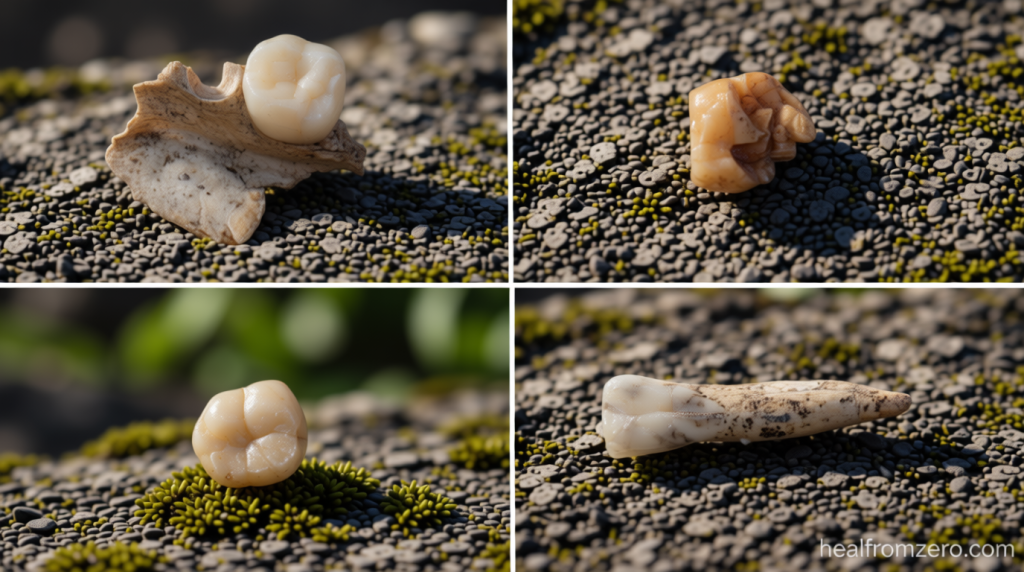
A team of researchers has successfully isolated ancient proteins from six teeth excavated in China, marking the first time such molecular evidence has linked Homo erectus to later human species. The study, published in the journal Nature, was led by geneticist Fu Qiaomei and her colleagues. The teeth, dating back approximately 400,000 years, were unearthed at three sites: Zhoukoudian, Hexian, and another location. While DNA has long been the gold standard for genetic analysis, it degrades over time, making it challenging to study fossils from such an ancient era. Proteins, however, offer a more durable alternative. Though they contain less detailed genetic information than DNA, their structure can still provide critical insights into evolutionary relationships.
“This is a major step forward in tying together the broken branches of our human evolutionary tree,” said Ryan McRae, a paleoanthropologist at the Smithsonian National Museum of Natural History. “Homo erectus has long been a bit of an enigma.”
The breakthrough came through a novel, non-invasive method that allowed scientists to extract enamel proteins without compromising the integrity of the fossils. Instead of drilling into the teeth, the team employed acid etching to remove a small sample. This approach preserved the physical structure of the remains while enabling detailed molecular analysis. Fu’s work not only highlights the adaptability of ancient proteins but also opens new avenues for studying long-extinct hominins.
Tracing Ancestral Links
The research uncovered two specific amino acid variations in the proteins extracted from the teeth. One variant was entirely new, while the other had been previously identified in Denisovans, an enigmatic group of ancient humans. This shared trait suggests a genetic exchange between Homo erectus and Denisovans, with implications for modern human ancestry. According to the study, the presence of this variant in Denisovans indicates that they may have interbred with Homo erectus, and later, with Homo sapiens. Such interbreeding events, known as admixture, leave traces of ancient DNA in present-day populations.
Denisovan DNA has been found in some modern humans, particularly those in Southeast Asia. This region also shows significant Neanderthal ancestry, another testament to the complex web of interactions among ancient human species. Neanderthals and Denisovans, both long-extinct, have been linked to modern humans through similar genetic exchanges. The new findings reinforce the idea that human evolution in Asia was not a linear process but a dynamic network of overlapping populations.
A Molecular Clue to Species Identity
One of the study’s key achievements was determining the sex of the fossils. By analyzing a specific marker in the Y chromosome of a tooth enamel gene, the researchers identified five males and one female among the specimens. This capability to distinguish between sexes adds another layer to understanding the demographics of ancient Homo erectus populations. Additionally, the shared amino acid variants among the teeth support the hypothesis that they all belonged to the same species, providing a clearer picture of their evolutionary place.
Fu emphasized the difficulty of retrieving DNA from fossils of this age, particularly those found in the same regions as Denisovan remains. “It was hard to get DNA, but I would never give up,” she said. The team’s persistence paid off, as the proteins offered a more reliable alternative to DNA in this context. The results not only confirm the existence of Homo erectus in China but also suggest a genetic bridge to Denisovans and modern humans.
Revisiting Earlier Discoveries
Earlier research in 2020 had already retrieved proteins from an early Homo erectus fossil in Georgia, but that study did not uncover the detailed evolutionary relationships that the current research has. While the 2020 work provided initial evidence of protein preservation, the new findings in China reveal a more intricate connection. Eduard Pop, a research scientist at the Naturalis Biodiversity Center in Leiden, Netherlands, highlighted the significance of this study in validating the hypothesis that Homo erectus may have contributed to Denisovan ancestry. “This study strengthens that link,” Pop said, adding that the team is now investigating whether protein information can be preserved in Homo erectus fossils found in Indonesia.
Pop noted that the 2020 study, though pioneering, lacked the depth to clarify how Homo erectus fits into the broader hominin family tree. The Chinese study, however, provides a more comprehensive framework by linking the species to Denisovans through molecular evidence. This revelation challenges the traditional view of human evolution as a series of isolated branches and supports a model of interconnected populations that frequently merged and diverged.
As the final pieces of this puzzle come together, the genetic secrets of Homo erectus are becoming more apparent. The discovery of ancient proteins in these teeth not only fills a gap in human origins but also suggests that the evolutionary history of our species is more intertwined than previously thought. Future research may further explore these connections, offering even deeper insights into the shared ancestry that binds us to our long-extinct relatives.