Pickle is the pumpkin spice of summer

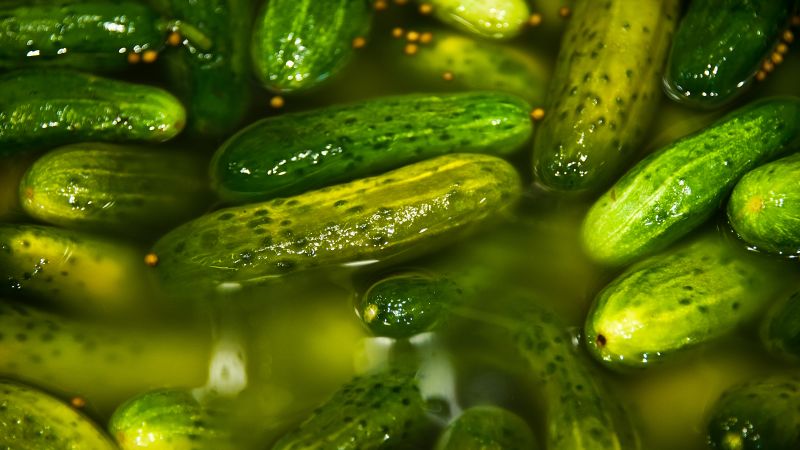
Pickle is the pumpkin spice of summer
The Flavor That’s Taking Over
Pickle is the pumpkin spice of summer – Pickle, once relegated to the sidelines of American cuisine, has undergone a dramatic transformation in recent years. No longer just a humble condiment, it now commands the spotlight as a defining summer sensation. From the kitchens of home cooks to the shelves of national retailers, the once-unassuming vegetable has become a cultural symbol, much like pumpkin spice does for autumn. Andrea Hernandez, a food trend analyst and founder of the Snaxshot newsletter, highlights this shift: “What was once a ‘boring sidekick’ is now the main character.”
The revival of pickles has taken many forms. Today, consumers can enjoy them in unexpected ways: as a lager brewed with pickle essence, as a seasoning for chicken and rice, or as a tangy flavor in ice pops. Even standalone pickle juice has found its way into the market, marketed as a refreshing probiotic drink or a base for zesty cocktails. This surge in popularity has led to a redefinition of what pickles can be, turning them into a versatile and sought-after ingredient that transcends their traditional role.
“It’s not something that just feels gimmicky – it’s a major unlock for a category that has been sleepy for a while,” Hernandez remarked.
Unlike pumpkin spice, which has become a predictable seasonal cliché, pickle remains fresh and uncharted. While the latter is often criticized for its overused appeal, the former is still seen as a bold and innovative choice. This distinction has allowed pickle to carve out a unique space in the summer market. As Hernandez noted, “What matters is the mood – breezy or cozy, it conjures the season.”
A Cultural Shift in Flavor
The pickle renaissance began as a subtle movement, gradually gaining momentum over the past decade. It started with niche products like artisanal pickles and specialty packaging, but soon expanded into mainstream culture. Brands now offer a dizzying array of pickle-infused items, from pretzels to protein bars, and even probiotic supplements. This diversification reflects a broader trend in food innovation, where ingredients once dismissed as secondary are now celebrated as stars.
Historically, pickles were associated with convenience and preservation. They were often found in bulk, wrapped in wax paper, or tucked beside deli sandwiches. Today, however, they come in sleek, single-serving pouches and bottled shots, making them more accessible and appealing to a wider audience. These changes have helped redefine pickles as a modern, health-conscious choice, aligning them with contemporary consumer preferences.
“Pickle-mania started with millennials, who could purchase artisanal pickles at farmers markets and for whom pickling was a hipsterish activity,” Hernandez explained.
While millennials may have sparked the trend, it’s Gen Z that has fully embraced it. The pandemic played a pivotal role in this shift, as younger generations were deprived of sensory experiences they once took for granted. With lockdowns limiting their access to restaurants and social gatherings, they turned to digital platforms for inspiration. TikTok, in particular, became a breeding ground for extreme flavor combinations, from spicy to sour, which helped normalize the idea of pickles as a trendy staple.
The rise of “Mukbang” bingefests and viral food challenges further fueled this transformation. Gen Z viewers were exposed to bold, experimental dishes that pushed the boundaries of taste. This exposure made them more open to the idea of a sweet-and-sour pickle that mimics the intensity of a Warhead candy or a sour gummy. As Hernandez observed, “The pickle phenomenon came from inside the house,” driven by a desire for novelty and variety in everyday meals.
Health and Hype
A key factor in the pickle’s ascent is its perceived health benefits. Fermented brine, once an afterthought, is now touted as a source of probiotics, electrolytes, and hydration. This “health halo” has been amplified by nutrition influencers and wellness advocates, who position pickles as a guilt-free indulgence. Products like Grillo’s-Liquid IV pickle electrolyte powder capitalize on this narrative, blending the vegetable’s tangy profile with the promise of scientific backing.
While some may question the validity of these claims, the consumer appetite for convenience and wellness continues to grow. The idea of replenishing lost salts after a day of summer heat has become a relatable reason to embrace the flavor. This shift has not only broadened the appeal of pickles but also allowed them to enter the realm of everyday health rituals, much like green tea or kale.
The Role of Big Brands
The pickle trend’s mainstream success has also attracted the attention of major food conglomerates. Companies like Frito-Lay noticed the growing demand and began incorporating pickles into their product lines. Trader Joe’s, in particular, has been quick to capitalize, introducing a range of private-label pickle offerings that cater to both casual and adventurous consumers. Though their initial rollouts were slower, the big brands eventually adapted to the craze.
Despite their late entry, these corporations have managed to keep pace with the trend. Their marketing strategies, however, differ from the grassroots efforts of indie brands. While smaller companies focus on artisanal craftsmanship and unique flavors, the larger players rely on broad appeal and mass production. This has created a dual landscape: one where specialty pickles thrive in niche markets, and another where mainstream products make the flavor more ubiquitous.
Yet, the core of the pickle movement lies in its authenticity. Hernandez argues that the trend isn’t the result of a coordinated “psyop” by Big Food, but rather a genuine evolution in consumer taste. “Pickle earned this,” she said, emphasizing the ingredient’s resilience and adaptability. The renaissance has embraced the vegetable itself, its pickling process, and even its packaging, ensuring that every aspect of its presence feels intentional.
A Lasting Summer Sensation
Though the pickle craze may not have the same explosive appeal as the bacon boom of a few years ago, its impact is undeniable. Unlike the fleeting popularity of certain fads, the integration of pickles into summer culture feels more organic and enduring. The trend has not only transformed how pickles are consumed but also how they are marketed, making them a symbol of the season’s vibrancy.
As the summer progresses, the demand for pickle-flavored products is expected to remain steady. Whether it’s a bag of potato chips, a can of Spam, or a bottle of soda, the versatility of the flavor ensures its continued presence. The contrast between the traditional and the trendy highlights a broader shift in American food culture, where once-ordinary items are reimagined to fit modern tastes. For now, pickle remains the flavor that defines the season, much like pumpkin spice does for autumn. And as long as consumers are drawn to its bold, briny profile, the trend is likely to persist.
From the deli counters of the past to the supermarket aisles of the present, pickles have evolved from a simple condiment to a cultural phenomenon. Their journey reflects not just a change in flavor preferences but a broader redefinition of what can be considered “seasonal” in food. As Hernandez noted, the key to this renaissance is its ability to balance nostalgia with innovation, offering something familiar yet refreshingly new.