
King Charles will not live in Buckingham Palace after costly refit, reveals $17 million tax bill
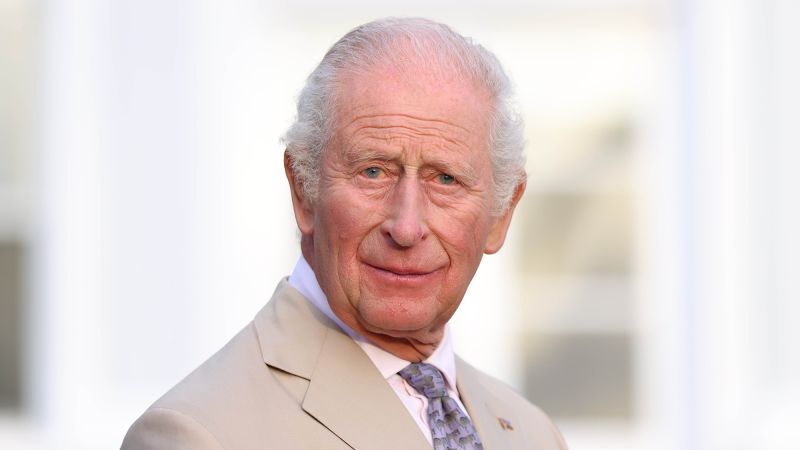
King Charles to Relocate from Buckingham Palace Amid Tax Transparency Shift
King Charles will not live in Buckingham – Following the completion of a major refurbishment at Buckingham Palace in 2027, King Charles III has confirmed he will no longer reside there as his primary home. This marks the end of over two centuries of the iconic London landmark serving as the monarch’s main residence. Royal officials revealed the decision during a press briefing on Thursday, signaling a new era for the palace’s role within the royal family’s operations.
First Public Disclosure of Tax Payments
The announcement coincided with the release of King Charles’s tax figures for the 2024/25 fiscal year, which totaled £12.9 million (approximately $17.04 million). This is the first time the amount has been made public, placing the monarch among the top 100 taxpayers in the United Kingdom. The disclosure comes as part of broader efforts by the royal family to increase financial transparency in the wake of public scrutiny following Queen Elizabeth II’s passing in 2022.
“Buckingham Palace will continue to serve as the monarchy’s central hub for official and ceremonial duties, including hosting foreign dignitaries,” stated James Chalmers, the king’s treasurer and keeper of the privy purse. “It remains the crown jewel of our national buildings, with the sovereign’s standard flying proudly from the roof whenever he is in London.”
While the palace will no longer be Charles’s private residence, it will retain its significance as a key symbol of the monarchy. The king has chosen to continue living at Clarence House, a residence nearby in London that he has occupied for years. The move is expected to take effect after the £369 million renovation project concludes next year.
Renovation Project and Public Access
The extensive refurbishment includes modernizing aging infrastructure, such as electrical wiring, plumbing, and heating systems. When the project began in 2017, officials had anticipated the palace would remain the monarch’s primary London home, a tradition dating back to Queen Victoria’s reign in 1837. However, the king’s decision to relocate reflects a shift in priorities, emphasizing practicality over historical continuity.
Chalmers highlighted that the renovation will also enhance public access to the building. While specific details were not provided, the palace is projected to welcome around 700,000 visitors annually, with plans to improve visitor experiences. This change aligns with the royal family’s commitment to modernizing their public image while maintaining the palace’s status as a national treasure.
Monarch’s Private Income and Tax Voluntariness
Despite not being legally required to pay income, capital gains, or inheritance tax, King Charles has voluntarily contributed to the public purse. His mother, Queen Elizabeth II, set a precedent by doing so after 1993. Charles’s private income stems from the Duchy of Lancaster estate, which generated £25.2 million in 2025/26, along with other investments and holdings.
Chalmers noted that the king’s tax payments have increased significantly since ascending the throne. In 2023/24, Charles paid £11.7 million in taxes, and the total from 2022 to 2024 exceeded £30 million. This reflects a deliberate choice to support the monarchy’s financial responsibilities while maintaining personal wealth through private sources.
“The Sovereign Grant, which funds royal operations, will be adjusted in 2027/28 to £100 million, in line with his majesty’s clear wishes,” Chalmers explained. “This level of funding will remain stable until 2031/32, ensuring it aligns with the monarchy’s evolving needs.”
The Sovereign Grant, which provides £137.9 million in 2026/27, has historically covered expenses related to royal residences, staff, and travel. The reduction in funding, however, is part of a broader adjustment to the financial model, with Chalmers emphasizing that safeguards are in place to ensure the budget remains proportional to the monarchy’s activities.
Public Reaction and Criticism
The announcement sparked mixed reactions among the public. While some praised the king’s commitment to transparency, others raised questions about the financial decisions of the royal family. Notably, neither Charles nor Queen Elizabeth II has stayed overnight at Buckingham Palace since 2019, though private rooms will remain available for use as temporary accommodations.
The move also coincides with the annual Trooping of the Color ceremony, which celebrates King Charles III’s official birthday. Thousands gathered outside the palace to witness the event, underscoring its cultural importance. However, the ceremony may face adjustments in the future, with the monarchy adapting to new financial realities.
Prince William’s Tax Contributions and Criticisms
Prince William, the king’s eldest son, has also been in the spotlight for his financial disclosures. In 2024/25, he paid £7.76 million in taxes, with his office reporting that £1.5 million of that amount will be directed to a local community fund from a closed prison. This initiative has been seen as a step toward greater accountability within the royal family.
William and Charles have faced criticism for their use of royal income to fund private ventures. Specifically, they have been scrutinized for charging the army, healthcare system, and schools rent, which some argue represents a form of financial advantage. The brothers’ decisions have fueled debates about the monarchy’s role in the modern economy and the need for clearer financial policies.
As the monarchy navigates these changes, the balance between tradition and financial responsibility remains a central theme. The king’s tax bill and relocation decision highlight a shift toward openness, even as the royal family continues to manage vast assets and estates. Whether this marks the beginning of a new era of fiscal accountability or a strategic realignment of resources remains to be seen.
Buckingham Palace’s history as a symbol of British monarchy is deeply intertwined with its role as a living space. For nearly 200 years, it has been the heart of royal life, hosting state events and providing a backdrop for royal traditions. The decision to move out now may signal a departure from that legacy, but the palace’s ceremonial importance will endure. With its updated facilities and increased public access, the building will continue to serve as a landmark for both history and modernity.
As the renovation project nears completion, the monarchy is also reevaluating its financial commitments. The reduction in Sovereign Grant funding, while significant, is framed as a necessary step to align with the king’s vision for the institution. This approach aims to demonstrate that the monarchy is not immune to financial scrutiny and is adapting to contemporary expectations. The result is a blend of heritage and innovation, as the palace transitions from a private residence to a more publicly accessible institution.