
Iran says it hit US targets as tensions over Strait of Hormuz strain agreement
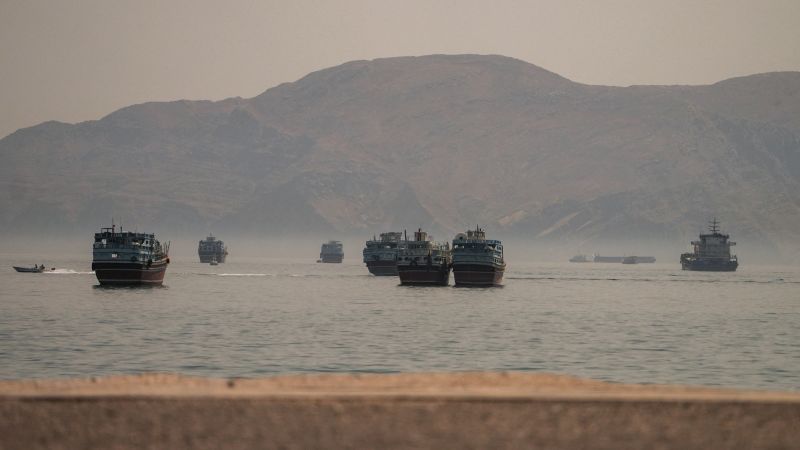
Iran Claims Strikes on US Targets Amid Hormuz Tensions
Iran says it hit US targets in a recent escalation of tensions over the strategic Strait of Hormuz, which has strained the fragile agreement between the two nations. The attack, carried out by Iran’s Revolutionary Guards, reportedly targeted US military assets in the Middle East, marking a significant shift in the regional standoff. The incident follows a series of US strikes on Iranian facilities near the waterway, which the US accused Iran of breaching. While the US has not yet officially confirmed the strikes, the moves highlight the growing friction in maintaining the ceasefire. The agreement, signed just days ago, aimed to ensure safe maritime passage through the strait, but these actions have raised doubts about its sustainability.
Dispute Over Toll Fees Adds Uncertainty
The conflict over the Strait of Hormuz has deepened as Iran and the US clash over control of the waterway. Iran says it hit US targets to assert its right to impose tolls on commercial vessels passing through the strait, a point of contention in the agreement. The US, however, insists that the strait should remain toll-free, a stance that has fueled accusations from Tehran. These disagreements have led to heightened military activity, with both sides accusing each other of violating the terms of their accord. The UKMTO reported an unidentified projectile striking a tanker in the strait, adding to the sense of urgency surrounding the dispute.
Iran’s military actions come after the US conducted strikes on Friday, targeting Iranian missile and drone storage sites. The US Central Command confirmed the attacks, framing them as retaliation for Iran’s “unwarranted aggression” against commercial shipping. This escalation has shaken confidence in the peace deal, which was meant to ease tensions after years of hostilities. Despite the recent violence, US officials have emphasized that the conflict remains localized, though the situation could quickly spiral into broader hostilities. The agreement’s terms, however, lack clarity, particularly regarding the exact conditions for toll fees, leaving room for further disputes.
“This is a localized escalation, not a full-scale conflict,” said a US official overseeing the deal, adding that the strikes were a direct response to Iran’s actions. The official’s statement underscores the delicate balance between diplomacy and military readiness in the region.
Meanwhile, the Joint Maritime Information Center (JMIC) has raised the threat level in the Strait of Hormuz to “substantial,” citing the recent attacks on merchant ships. This decision comes as the US expands a route near Oman to divert commercial traffic, signaling a strategic shift in maintaining control of the waterway. The move has drawn criticism from Iran, which views it as an attempt to undermine its authority. The latest incidents have not only tested the agreement’s resilience but also underscored the strait’s critical role in global oil supplies. Disruptions in this chokepoint could have far-reaching economic consequences.
Iran says it hit US targets to protect its interests in the region, with the Revolutionary Guards positioning the strikes as a necessary response to US aggression. The attacks on Bahrain’s territory, reported by the Gulf state, have further complicated the situation, as the US military base there became a symbolic flashpoint. Tehran has not yet released details on the specific targets, but the incidents have reignited concerns about the agreement’s ability to prevent future clashes. Analysts warn that without clear commitments from both sides, the fragile truce could unravel, leading to renewed conflict in the region.
As the situation evolves, the focus keyword “Iran says it hit US targets” continues to underscore the core issue. The agreement’s survival depends on Iran’s ability to uphold its obligations while the US ensures security in the area. The JMIC’s heightened alert and the expansion of the Omani route suggest a strategic effort to mitigate risks, but the attacks have already created a climate of uncertainty. With the strait serving as a lifeline for global trade, the stakes remain high, and the outcome of this standoff could reshape the geopolitical landscape in the Gulf.