Freed Gaza flotilla activists accuse Israeli forces of sexual violence and abuse while in custody

Freed Gaza Flotilla Activists Accuse Israeli Forces of Sexual Violence and Abuse While in Custody
Freed Gaza flotilla activists accuse Israeli – Accusations of sexual assault and physical mistreatment have surfaced from activists aboard a humanitarian flotilla intercepted by Israeli forces en route to Gaza. The incident, which unfolded over several days after the vessel departed Turkey, has sparked global controversy. The final capture of the group occurred on Tuesday, leading to their detention and subsequent deportation back to Turkey. The alleged abuse during their time in custody has already drawn sharp criticism from international observers and human rights organizations.
Interception and Detention of Flotilla Activists
The Global Sumud Flotilla, carrying 428 passengers along with essential supplies like food, medicine, and humanitarian aid, was seized by Israeli authorities. The activists, who aimed to deliver relief to Gaza, reported being subjected to beatings, electric shocks, and other forms of brutality. According to Adalah, an Israel-based human rights group representing the detainees, legal representatives documented testimonies from participants detailing their experiences. Some described being hit with tasers and rubber bullets, while others claimed they suffered injuries severe enough to suggest fractured bones.
The Israel Prison Service (IPS) dismissed the allegations as “false and entirely without factual basis,” stating that it adheres to legal protocols in handling detainees. Similarly, the Israel Defense Forces (IDF) asserted that their procedures ensure respectful treatment of individuals on intercepted vessels. “Orders require that participants be treated with dignity, and established protocols are followed,” the IDF said in a statement. It added that any specific complaints would be investigated thoroughly by the relevant authorities.
Testimonies of Sexual Violence and Physical Abuse
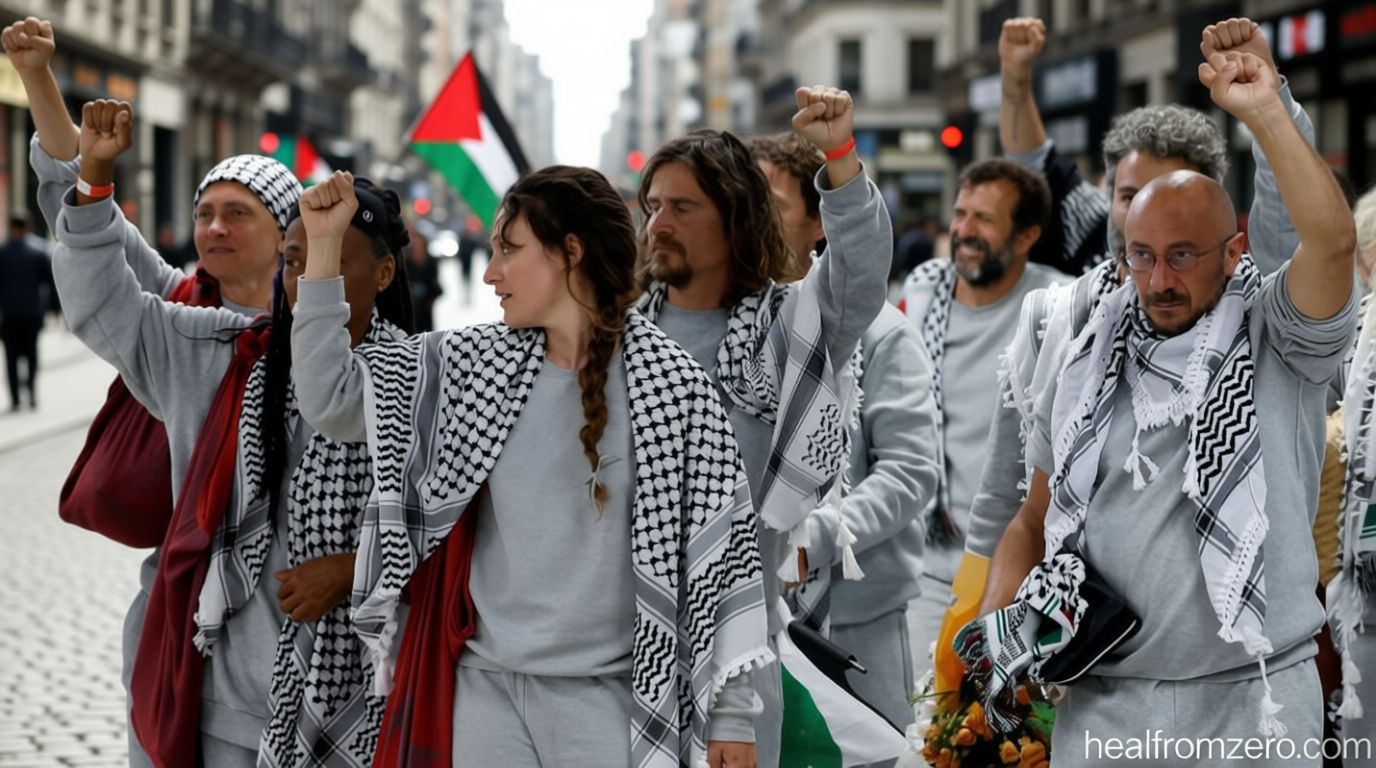
Survivors of the alleged abuse have provided harrowing accounts of the treatment they endured. Juliet Lamont, an Australian filmmaker and activist, described being beaten and sexually assaulted by five men on a shipping container aboard what she referred to as an Israeli “prison boat.” Speaking at Istanbul Airport, she wore the grey tracksuit issued by the IPS and shared her belief that the violence was part of a “relentless” and “planned campaign” designed to deter activists from returning. “You know they’ve broken our bones, but they haven’t broken our soul,” she said, capturing the resilience of those who endured the ordeal.
“I believe this is a systematic effort to ensure activists do not return to Gaza. The methods used were cruel, and the conditions were dehumanizing.” — Juliet Lamont
Zack Schofield, an Australian national detained during the operation, described the brutality he witnessed firsthand. From a hospital in Istanbul, he recounted a “constant barrage of violence” and “brutality” inflicted on the group. He detailed being zip-tied in a painful position with his hands behind his back for 40 minutes, nearly vomiting from the discomfort. During the immigration process, he said he was forced to slam his head against a table, and his face was struck repeatedly by knees. “There were pliers in my ears pulling them back,” he explained, emphasizing the severity of the physical trauma endured.
“I myself was in a torture position for 40 minutes, and I saw others chokeslammed into the ground. The violence was not random—it was calculated and systematic.” — Zack Schofield
Other activists, also filmed at Istanbul Airport, corroborated these accounts. They described similar instances of severe mistreatment, including forced physical contact and painful restraints. The details provided by survivors suggest a coordinated approach to subdue and intimidate the group, with some claiming that the violence extended beyond mere physical punishment to include sexual assaults. These allegations have intensified the scrutiny on Israeli operations, prompting questions about the proportionality of the force used.
International Backlash and Legal Investigations
The accusations have not only galvanized human rights groups but also led to diplomatic reactions. Germany stated that some of its nationals had sustained injuries, with certain claims deemed “serious” by officials. Italy’s legal representatives confirmed that prosecutors were examining potential crimes, including kidnapping and sexual assault. These developments underscore the growing concern over the treatment of individuals during the flotilla’s detention.
Adalah’s international advocacy coordinator, Miriam Azem, defended the allegations, calling them “the most severe violence and assaults” the organization has encountered in its decade-long work with activists. She noted that some survivors hesitated to elaborate due to fears of retaliation, while others were still in Israeli custody when they spoke to the group. “The survivors are speaking for themselves,” Azem said, emphasizing the importance of firsthand accounts in understanding the full scope of the ordeal.
The IPS reiterated its stance, stating it “rejects generalized allegations” that imply systematic unlawful behavior. The service claimed that all detainees were held in compliance with legal standards, with trained personnel overseeing their treatment. However, the testimonies from the activists challenge this assertion, painting a picture of an environment where both physical and sexual violence were reported. The inconsistency between the IPS’s claims and the firsthand accounts has fueled ongoing debates about the fairness of the treatment and the role of the prison service in upholding rights.
Diplomatic Reactions and Future Implications
Canadian Foreign Minister Anita Anand expressed concern over the situation, stating that she had received information about the abuse and was actively reviewing the matter. Her comments highlight the increasing involvement of global governments in addressing the treatment of those detained during the flotilla operation. The international community is now pressing for transparency, with calls for independent investigations into the alleged misconduct.
While the Israeli forces maintain that their actions were justified, the testimonies from the activists suggest otherwise. The combination of physical punishment and sexual violence has raised questions about the broader implications for those participating in humanitarian missions. Adalah’s representatives continue to advocate for the victims, urging for a deeper examination of the circumstances that led to the abuse.
The incident has become a symbol of the tensions between Israel and groups seeking to support Gaza. As the survivors share their stories, the international response grows more urgent, demanding accountability and justice. The flotilla activists’ experiences now serve as a critical reminder of the challenges faced by humanitarian efforts in conflict zones. Their voices, both in testimony and in advocacy, will likely shape the narrative of this event for years to come.