‘Afraid to get my next bill’: Americans brace for higher costs to cool their homes this summer

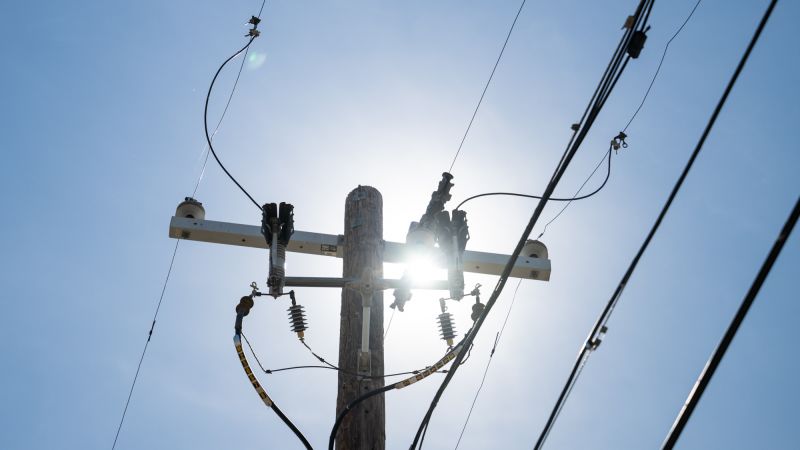
‘Afraid to get my next bill’: Americans brace for higher costs to cool their homes this summer
Afraid to get my next bill – As summer approaches, many Americans are preparing for a financial challenge that could disrupt their budgets. The National Energy Assistance Directors Association (NEADA) has projected a significant rise in energy expenses, with electricity bills expected to climb an average of 10.5% from June to September. This increase, driven by soaring power prices and heightened air conditioning demand, comes amid a backdrop of economic strain. For some, the growing cost of cooling their homes is already forcing tough decisions about spending, with personal savings and independence at risk.
A Personal Struggle in Tempe, Arizona
Kevin Martin, a 19-year-old accounting student, once believed he had mastered the art of budgeting. After moving out of his parents’ home last year, he managed to live independently in an apartment shared with three roommates in Tempe, Arizona. By juggling three part-time jobs, he saved up to $200 monthly. But the Arizona spring of 2026, unusually hot and prolonged, shattered his plans. The group struggled to keep their utility costs low by turning off the air conditioning when they were away, yet their home often turned into an uncomfortable sauna upon return. “It’s not just the heat—it’s the cost,” Martin said, reflecting on how his dream of self-sufficiency was derailed by rising bills. He ultimately decided to move back in with his family, prioritizing financial stability over the independence he once aspired to.
The Broader Economic Context
According to NEADA’s latest report, cooling expenses have surged nearly 40% since 2020, placing additional pressure on households already grappling with inflation. In May 2026, annual inflation reached 4%, the highest in three years, fueled by rising fuel and grocery prices linked to the ongoing conflict with Iran. Wages, which had kept pace with inflation in previous months, now lag behind, leaving many Americans in a precarious position. “It’s like running on a treadmill where the ground keeps moving,” remarked Alisha Hamid, a 34-year-old sales professional in Egg Harbor Township, New Jersey. For her, electricity costs alone have become a major burden, nearly matching her mortgage payment and doubling what she paid just a few years ago.
Hamid’s situation highlights a growing trend: middle- and moderate-income families are increasingly relying on utility assistance programs to manage expenses. “Middle- and moderate-income families are struggling to pay basic expenses,” said Mark Wolfe, NEADA’s executive director. The association notes that even as some high earners apply for aid, the financial strain on everyday households has intensified. For Hamid, the cost of staying cool is now a daily concern. She plans to cut costs by purchasing a season pass for a local water park, rather than driving to a more expensive one an hour away. “Every time I feel I’m getting ahead, prices go up and the finish line gets farther away,” she said, expressing frustration over the relentless rise in living expenses.
Adapting to the Heat
Christina Meikrantz, a 46-year-old software support technician in Benton, Pennsylvania, has also felt the pinch. Her May electricity bill rose 41% compared to the previous year, costing around $190—money she says is difficult to come by. To mitigate costs, she has adopted several energy-saving measures, such as using fans and blackout curtains in key areas of her home. She even plans to set up kiddie pools outdoors to keep her three dogs cool, but the pressure to cut expenses is mounting. “I’m afraid to get my next bill,” Meikrantz said, her voice tinged with concern. The threat of electricity disconnection looms large, especially as she considers taking on a second job to make ends meet.
Meikrantz’s story mirrors that of many working families who are stretched thin. Despite earning enough to qualify for LIHEAP, the federal Low Income Home Energy Assistance Program, she feels the system is not always aligned with their needs. “I consider myself part of the working poor,” she explained, emphasizing that even modest incomes are insufficient to cover basic costs. The rising prices of everything from groceries to fuel have created a perfect storm, forcing households to make difficult trade-offs. For Meikrantz, the choice is clear: work longer hours or risk losing access to essential services.
Strategies for Survival
Experts warn that the financial burden of cooling homes is only going to grow. The US Department of Energy recommends several ways to reduce energy consumption, such as installing window coverings to block sunlight, sealing air leaks around doors and windows, and maintaining cooling systems to ensure efficiency. These steps, while practical, require time and effort—resources many are struggling to find. “We’re not just talking about a small increase in costs,” said Wolfe. “This is a systemic issue affecting millions.”
For families like Martin’s, the consequences of these costs are tangible. The warmth of Arizona’s spring has not only made living independently more challenging but also served as a reminder of how climate and economics are increasingly intertwined. As temperatures rise, so do the demands on energy grids, leading to higher prices for all. “It’s a cycle,” Martin said. “The more we try to save, the more we have to spend.” This sentiment is echoed by others who are adjusting their routines to cope. Some are turning off their AC for longer periods, while others are relying on natural ventilation or investing in energy-efficient appliances.
The impact of these rising costs extends beyond individual households, influencing broader economic trends. With inflation affecting nearly every aspect of daily life, the ability to afford basic utilities is becoming a critical test of financial resilience. “When you can’t afford to cool your home, you can’t afford to maintain your standard of living,” said Wolfe. The NEADA’s projections suggest that this trend will continue, with electricity bills expected to reach $792 nationwide during the summer months—a stark increase from previous years. For families already facing economic uncertainty, these costs could be the tipping point that forces them to reconsider their financial plans.
A Nation in the Heat
As the summer of 2026 unfolds, the debate over how to address rising energy costs will likely intensify. While some may argue that higher prices are a necessary response to increased demand, others see them as a symptom of deeper economic challenges. For Kevin Martin, Alisha Hamid, and Christina Meikrantz, the struggle is personal—and it reflects a larger national trend. Their stories underscore the reality that staying cool is no longer a luxury but a necessity, one that requires careful planning and sacrifice. “It’s not just about the money,” Martin said. “It’s about making sure we can survive the heat.”
With inflation showing no signs of slowing, the question remains: how will these rising costs shape Americans’ decisions this fall? For many, the economic strain may influence their voting behavior in November. Whether it’s a single mother adjusting her budget or a young student reconsidering his independence, the summer of 2026 is proving to be a season of both discomfort and economic uncertainty. As the NEADA warns, the financial squeeze is here to stay—and it’s changing the way people think about their livelihoods, their homes, and their future.