
Meta CEO Zuckerberg warns US shouldn’t ban Chinese AI models
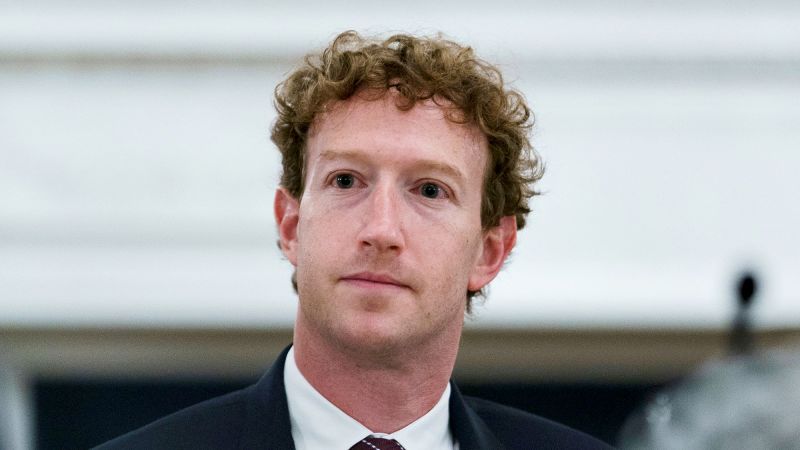
Zuckerberg Advocates for Open Approach to Chinese AI Amid Rising Tensions
Healfromzero.com – Meta’s chief executive officer, Mark Zuckerberg, has publicly urged the United States government to reconsider its stance on Chinese artificial intelligence technologies. In a recent interview with the Financial Times, the tech industry leader argued that blocking Chinese AI systems would not serve American interests in the global competition to advance artificial intelligence capabilities.
A Different Path Forward
Zuckerberg cautioned that implementing a comprehensive ban on Chinese AI models would fail to deliver meaningful results. Rather than erecting barriers, he proposed that American corporations should focus on identifying and addressing internal challenges that hinder their competitiveness. The executive emphasized that companies need to “systematically” examine the obstacles preventing them from matching the progress being made by their Chinese counterparts in the artificial intelligence sector.
Zuckerberg warned that a US ban on Chinese AI models would not be “an effective solution” and suggested that US companies should instead “systematically” identify bottlenecks and roadblocks in order to better compete with Chinese AI firms.
Washington’s Regulatory Crossroads
The timing of Zuckerberg’s remarks coincides with heightened discussions among American policymakers regarding how to manage the rapidly evolving artificial intelligence landscape. As Chinese technology companies continue to develop increasingly sophisticated systems, debate intensifies over whether protectionist measures or collaborative approaches will better position the United States.
Complicating matters further are allegations that China’s Moonshot AI company utilized American competitors’ resources to train its newest model, known as Kimi K3. Moonshot has firmly rejected these claims, maintaining that its development process followed proper channels. This controversy has prompted calls for clearer guidelines on intellectual property protection in international technology partnerships.
Broader Trade Measures
US Treasury Secretary Scott Bessent recently signaled that punitive measures might be on the horizon if Chinese laboratories exceed acceptable boundaries regarding intellectual property. His comments came alongside broader trade initiatives aimed at strengthening American technological sovereignty.
On Tuesday, the US government announced plans to prohibit new imports of humanoid and quadruped robots manufactured by foreign companies. Officials stated that these robotic systems present “unacceptable risks” to national security interests. The restriction extends beyond robots to include power converters essential for connecting renewable energy infrastructure and battery systems to the electrical grid.
The ban also includes power converters used to connect renewable energy infrastructure and batteries to the power grid.
Strategic Positioning
These latest restrictions represent Washington’s ongoing effort to protect domestic industries and secure critical supply chains. The measures deliberately exclude AI models already operational within the United States, allowing existing systems to continue functioning while preventing new foreign technologies from entering the market.
The intensifying rivalry between the United States and China over advanced technology dominance has created a complex environment where both nations seek to maximize their competitive advantages. Zuckerberg’s perspective offers an alternative viewpoint to those advocating for stricter containment strategies, suggesting that American companies can thrive through internal improvement rather than external restriction.
As the artificial intelligence race continues to accelerate, policymakers, industry leaders, and international stakeholders will need to navigate an increasingly intricate landscape of technological innovation, trade policy, and national security considerations.
CNN’s John Liu contributed reporting to this article.
Related Reading
Frequently Asked Questions
What is Meta CEO Zuckerberg warns US shouldn?
Meta CEO Zuckerberg warns US shouldn is the main topic of this guide. The article explains the context, practical details, and next steps readers should understand.
Why does Meta CEO Zuckerberg warns US shouldn matter?
Meta CEO Zuckerberg warns US shouldn matters because readers are looking for a useful answer, not just a short summary. Good content should match search intent and help them decide what to do next.