
Every day is soccer jersey day
Every day is soccer jersey day
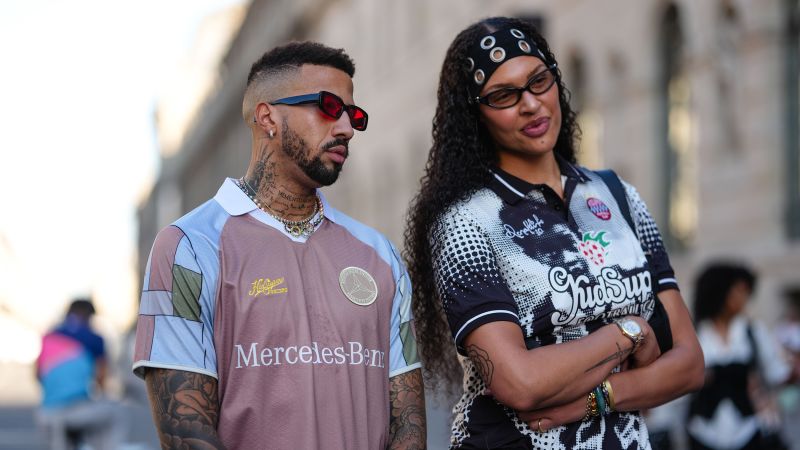
Every day is soccer jersey day – Soccer jerseys have become a staple in modern wardrobes, with nearly everyone owning at least one. From high-profile collaborations to limited-edition drops, these garments are no longer confined to the sidelines of stadiums. Celebrities and designers are reimagining the classic soccer uniform, transforming it into a statement piece that speaks to both heritage and contemporary trends. This shift reflects a broader cultural movement where soccer, once a niche sport, is now influencing fashion in unprecedented ways.
The Fusion of Sport and Style
Recent campaigns highlight how soccer jerseys are breaking free from their traditional role. Olivia Rodrigo, the rising pop star, teamed up with Spotify to release a sold-out throwback FC Barcelona jersey. The design features her signature monogram, boldly placed over the iconic red and blue vertical stripes. This partnership underscores the growing intersection between music and sports culture, where fans are now drawn to jerseys not just for their athletic appeal, but for their visual flair.
Meanwhile, retailers like the Gap are capitalizing on the trend with summer collections that celebrate football culture. These designs incorporate elements of the sport’s history, blending retro aesthetics with modern fashion sensibilities. Nike, too, is embracing the global appeal of soccer by launching Latin American-themed “statement” jerseys. Rooted in the cultural and emotional essence of the game, these pieces are more than just clothing—they’re symbols of identity and pride.
Interestingly, some jerseys are not even tied to the sport itself. While others pay homage to official team designs, many feature abstract graphics or bold color combinations that prioritize style over authenticity. This diversification has led to a surge in popularity, with soccer jerseys appealing to a wider audience beyond dedicated fans. As a result, the garment has become a versatile addition to everyday fashion.
Citywide Initiatives and the Evolution of Jersey Culture
Even local governments are joining the trend. New York City Mayor Zohran Mamdani unveiled a retro-inspired jersey collection to commemorate the city’s role in the World Cup. Originally priced at $50 as part of an affordability campaign, these striped jerseys are now fetching over $1,000 on luxury resale platforms like Grailed. The design replaces the traditional team badge with a soccer ball emblem, emphasizing the cultural significance of the item rather than its athletic function.
The trend is not limited to major cities. In the last two to three years, the soccer jersey has transcended its grassroots roots, becoming a global fashion phenomenon. This transformation is evident in the growing number of brands and designers who are reinterpreting the classic look. From streetwear pioneers to fast fashion giants, the jersey is being rebranded and reimagined for a new generation of style-conscious consumers.
From Niche to Mainstream: A Changing Perception
Historically, soccer jerseys carried a certain stigma in the United States. Ten years ago, wearing one was often associated with stereotypes—hipsters labeling the sport “footy,” and fans being seen as try-hard enthusiasts. However, as soccer’s popularity has grown, so too has the acceptance of its cultural identity. This shift is particularly notable in urban areas where the sport has found a dedicated following.
Streetwear brands were among the first to recognize this potential. Supreme, for instance, partnered with Umbro in 2005 to create a soccer jersey that blended sport and street fashion. At the time, soccer broadcasts were still limited to niche or premium channels, but the collaboration foreshadowed the sport’s future mainstream appeal. Snoop Dogg further cemented this trend by incorporating jerseys from rival teams into his wardrobe, an act that initially drew skepticism from purists but ultimately broadened the appeal of the garment.
Even in pop culture, soccer jerseys have found a unique place. In 2016, Drake made headlines by wearing a pink Juventus away jersey, an event that seemed rare for a rapper of his stature. The jersey, now a coveted item on eBay, is often listed as a “Juventus x Drake” collectible. This kind of crossover has helped normalize the jersey as a fashion-forward choice rather than a purely athletic one.
A New Era of Style and Collectibility
As the jersey’s popularity has risen, so has its collectibility. Vintage soccer jerseys, once overlooked, are now highly sought after. Josh Warwick, co-founder of Cult Kits, a vintage soccer jersey retailer, has observed this shift firsthand. “The jerseys were being bought by people who weren’t just soccer nerds or fans looking for deep cuts,” he recalled. “It was a clear sign that football shirt culture was diversifying, with aesthetics taking center stage.”
“That pink Inter Miami jersey, I feel like a cool girl might wear that on the dance floor in New York,” said fashion magazine creator Markus Ebner. “Not because she’s an Inter Miami fan; because it’s pink and it’s cool.”
This sentiment reflects a broader trend: soccer jerseys are no longer defined by their athletic origins. Instead, they are being recontextualized as fashion staples that blend functionality with visual appeal. The versatility of their design—short or long sleeves, optional collars, and a range of color options—makes them adaptable to various styles, from casual to high-end.
The rise of online platforms has also fueled this movement. Cult Kits, for example, has seen a significant increase in sales, with the U.S. surpassing the U.K. to become its largest market. This growth is not accidental; it mirrors the increasing demand for soccer-inspired fashion. Designers from both established and emerging brands are now creating their own versions, often placing brand logos where traditional sponsorships would appear. Miaou, Nahmias, Aimé Leon Dore, and Ksubi are among the names leading this renaissance.
Fast fashion retailers have not been left behind. H&M recently partnered with Lotto to release a collection that reinterprets soccer jerseys for the masses. Similarly, ASOS now offers knockoff national jerseys, making the trend accessible to a wider audience. These collaborations signal a shift in how soccer is perceived, with its cultural significance now being celebrated through mainstream fashion channels.
As the jersey continues to evolve, it remains a powerful symbol of both sports and style. Whether as a retro relic or a modern statement, these garments are proving that soccer is more than just a game—it’s a global fashion movement. With more people embracing the jersey as a versatile piece of clothing, the sport’s influence on style is set to grow even further, reshaping how fans and non-fans alike engage with the culture.