
Is Mbappé too good for France?
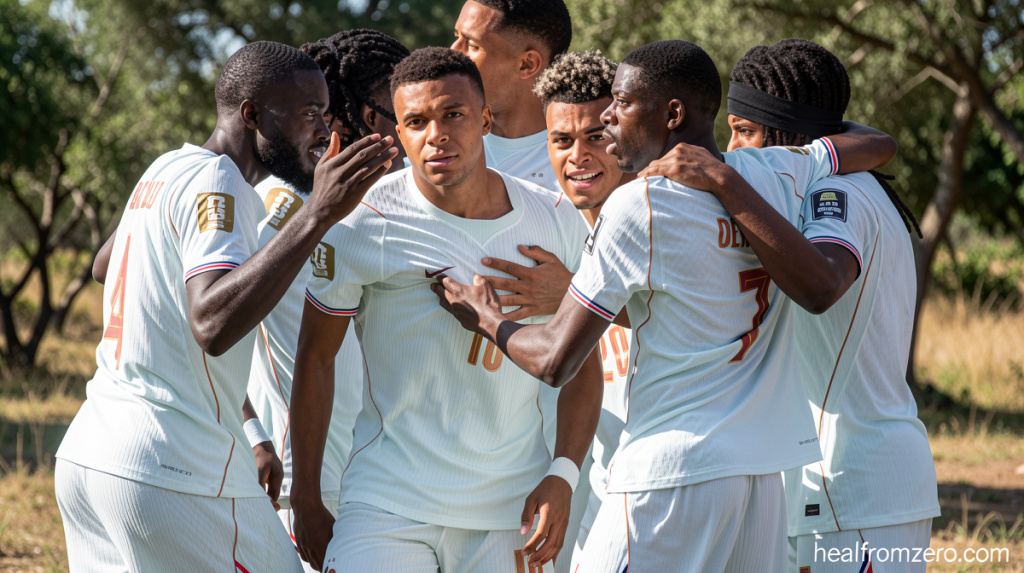
Is Mbappé Too Good for France? Star Faces Racism and Political Backlash
A Career Defined by Excellence and Controversy
Is Mbappé too good for France? The question has echoed through French football for years, but recent events have brought it to the forefront once again. Half a decade has passed since Kylian Mbappé nearly abandoned his commitment to the national squad. During Euro 2020, France entered as a tournament favorite, yet suffered a heartbreaking defeat against Switzerland in the Round of 16. The French dominated much of the match before Switzerland struck twice in the closing moments, sending the contest to a penalty shootout. Mbappé stepped up for the decisive kick, delivering a powerful effort that the opposing goalkeeper managed to deflect. The result proved devastating for the French camp. ESPN characterized the outcome as a “huge failure,” while Le Parisien’s front page declared “Disillusionment.” L’Equipe simply wrote “Devastated.”
For Mbappé, then merely twenty-two years of age, this national disappointment triggered an outpouring of racist hostility across social platforms. One particular message gained widespread attention, in which a user wrote, “This dirty n***er deserves to receive a hundred lashes and be sold in Libya.” Despite Mbappé’s Parisian birth and his crucial role in France’s World Cup triumph just years earlier, such facts appeared irrelevant to some critics. Mbappé confronted French Football Federation President Noël Le Graët directly, stating:
“I cannot play for people who think I’m a monkey. I’m not gonna play.”
From World Cup Glory to Political Storm
Mbappé ultimately remained with the national team. The following year, he guided France to their consecutive World Cup Final appearance in Qatar, where penalties once again proved their undoing against Argentina. Now in 2026, France has reached the semifinals and faces Spain on Tuesday. At the peak of his abilities, Mbappé has evolved beyond his 2021 form. As French captain and top scorer, he has accumulated twenty goals across all World Cup competitions, ranking second only to Lionel Messi in history.
Yet Mbappé’s legendary status offers no complete protection from hostility. Of Cameroonian and Algerian descent, Mbappé embodies either France’s multicultural strength or a threat to French identity, depending on the observer. Before this World Cup, he engaged in a public dispute with National Rally leaders Marine Le Pen and Jordan Bardella. Following a Vanity Fair interview where Mbappé cautioned French citizens about the National Rally, both politicians responded by noting that Paris Saint-Germain secured the UEFA Champions League title after his departure.
Le Pen, widely considered a contender for the 2027 French presidential race, has advocated halting all immigration and once likened Muslims praying outdoors to Nazi occupation. The French squad, predominantly composed of first- and second-generation immigrants, has historically opposed Le Pen’s movement. In 2024, Mbappé alongside Ousmane Dembélé and teammates encouraged French voters to participate, responding to the National Rally’s polling gains.
“Mbappé doesn’t represent French people with an immigration background,” Le Pen told CNN later that year. “Because there are far more of them living on the minimum wage, who can’t afford housing and can’t afford heating, than people like Mr. Mbappé.”
This argument, frequently echoed within the party, suggests that success erases immigrant identity for non-white athletes. In truth, achievement serves as a shield rather than a barrier. Following France’s elimination of Paraguay in the current World Cup, Paraguayan senator Celeste Amarilla unleashed a racist attack on Mbappé’s identity. She labeled him a “colonized Cameroonian, pretending hard to be French” and added, “The brute didn’t even learn to write; instead of mother’s milk, he sucked on coconuts, and the most educated things he heard were chimpanzees.”
Global Recognition Amidst Ongoing Challenges
Amarilla subsequently withdrew her comments, attributing them to emotional intensity. She then attempted to frame Mbappé’s anti-racism response as gender-based violence.
“Retract your remarks, honor your French citizenship and apologize to me,” she wrote in an Instagram letter.
French President Emmanuel Macron publicly supported Mbappé, posting on X:
“Another goal for Kylian Mbappé. Against racism this time.”
Le Pen remained quiet during this exchange. Racist hostility toward Mbappé extends beyond political figures. While representing Real Madrid during the 2025-26 campaign, he endured monkey chants in a fixture against Real Oviedo, resulting in a supporter’s detention. When France fell short in the 2022 World Cup final, Mbappé and fellow Black French players faced another wave of racist slurs and hateful commentary.
As Is Mbappé too good for France remains a topic of debate, his journey illustrates both the heights of athletic achievement and the persistent challenges faced by athletes of color. Whether viewed through the lens of sporting excellence or social identity, Mbappé’s story continues to resonate far beyond the pitch.