US officials downplay text of the Iran agreement, saying it doesn’t account for back-channel commitments

US officials downplay text of the Iran agreement, saying it doesn’t account for back-channel commitments
The Framework’s Political Purpose
US officials downplay text of the Iran – Senior U.S. officials have emphasized that the recent agreement between Washington and Tehran, while being finalized, should not be overinterpreted. The document, which outlines the terms of a potential deal, is described as intentionally broad and open-ended, serving more as a political foundation than a binding contract. According to sources, the agreement’s text is designed to ease the path for future, more detailed negotiations. This approach allows both sides to address technical and strategic issues without being constrained by the specifics of the initial framework.
“People shouldn’t read too much into the language of the MOU,” one official remarked. “What’s more important than the actual document is the understandings we have with each other, and that’s why it’s important to get it done, that we can create the environment to go and talk about all these things.”
The framework, which Vice President JD Vance referred to as a one-and-a-half page memorandum of understanding, is seen as a tool to build trust and secure Iran’s commitment to the broader objectives of the agreement. Officials stated that the text is meant to be a flexible starting point, giving Iran the ability to frame the deal in a way that resonates with its domestic political base. This strategy, they argued, ensures that Iran can present the agreement as a win for its leadership, even if the details are not yet fully resolved.
Hidden Agreements and Domestic Politics
While the MOU itself does not include all the details of Iran’s commitments, officials acknowledged that significant agreements were reached through informal channels. These back-channel discussions, they claimed, provided the U.S. with assurances that Iran would meet key demands, such as the destruction of its enriched uranium stockpile. However, the official text of the agreement does not explicitly state these concessions, leaving room for interpretation.
One of the officials noted that the document’s vagueness is a deliberate choice. “The language allows Iran to say what they need to say for their domestic politics,” they explained. This flexibility, they argued, is essential to ensure the deal gains traction within Iran’s leadership, which faces internal pressure to demonstrate progress on the ongoing conflict in the region.
The agreement also outlines financial relief for Iran, detailing the benefits it will receive if it adheres to the terms. This includes access to a development fund, which could amount to $300 billion, according to the officials. However, the text does not specify the exact mechanisms for releasing these funds, nor does it clarify how the U.S. will coordinate with international bodies to oversee Iran’s nuclear activities. These details, they said, will be negotiated in subsequent meetings, which are expected to take place in the coming weeks.
Sanctions, Funds, and the Strait of Hormuz
A central part of the agreement involves the release of sanctions on Iran. Officials stated that the U.S. will lift these restrictions contingent on Iran’s progress in fulfilling its commitments. The MOU mentions that sanctions will be removed “when” progress is achieved, but it does not define what that progress entails. This ambiguity has raised concerns among some analysts, who argue that the U.S. could retain leverage over Iran’s actions.
Additionally, the text includes provisions for the unfreezing of Iranian assets, but it does not specify a timeline for this process. The officials clarified that the release of these assets depends on the outcome of further negotiations, which will determine the conditions for their availability. The agreement also states that Iran will be able to sell its oil and petrochemical products immediately upon signing, with the U.S. issuing waivers to allow it to benefit financially from these sales.
One of the key elements of the deal is Iran’s commitment to not interfere with navigation in the Strait of Hormuz. This provision, though included in the MOU, is not elaborated on extensively. Officials emphasized that this is a critical point, as it addresses concerns about Iran’s regional influence. However, they also noted that the exact nature of this commitment—whether it involves specific actions or just a declaration—remains to be determined through ongoing discussions.
Global Reactions and the Road to Finalization
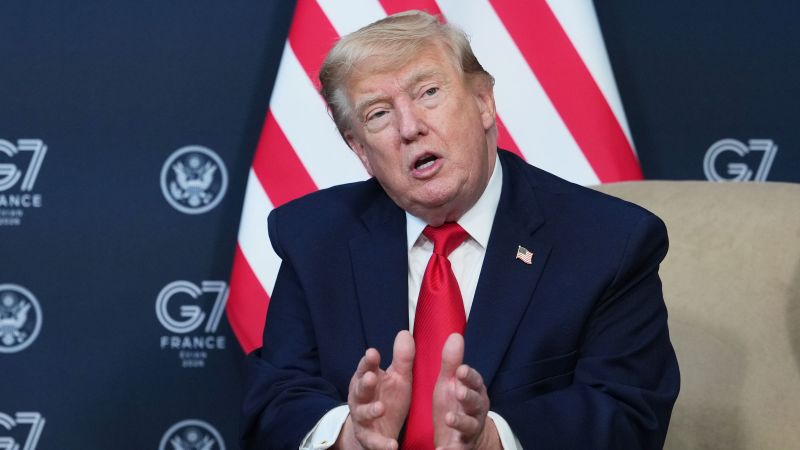
The agreement’s secrecy has sparked debate among international allies. While the text is being shared with European and other G7 officials attending the Group of 7 summit in France, some members of the coalition have expressed skepticism. During meetings held at the alpine resort of Évian-les-Bains, leaders pressed President Donald Trump for clarity on the deal’s terms, particularly regarding the timeline for sanctions relief and the specifics of Iran’s nuclear commitments.
Despite the push for transparency, the U.S. administration has maintained that the MOU is a working document, not a final contract. This stance has drawn criticism from within the Trump team, with some allies questioning the extent of concessions made to end the war in the Middle East. The agreement, they argue, could be seen as a compromise that undermines U.S. interests if not carefully managed.
Officials highlighted that the MOU’s language is tailored to Iran’s political needs, ensuring it can be presented as a favorable outcome for the country’s leadership. For instance, the document reiterates Iran’s pledge to “never produce nuclear weapons,” a commitment previously made under the 2015 nuclear deal with the Obama administration. However, this statement is framed in a way that leaves room for Iran to later adjust its position, should domestic or international pressures change.
The financial aspects of the agreement are more concrete. It outlines the potential for Iran to access a development fund, which would provide long-term economic relief. Yet, the text does not clarify how this fund will be funded or what conditions must be met for its disbursement. Officials said this is intentional, as the focus is on creating a framework for future negotiations rather than locking in every detail upfront.
Challenges Ahead and Domestic Concerns
As the U.S. works to finalize the deal, it faces both internal and external challenges. The text’s vagueness has led to fears that the Trump administration may have given away too much in the name of ending the war. Conservative factions within the administration, already wary of the deal’s terms, have demanded a more thorough review of the framework before its official release.
Officials stressed that the agreement’s success hinges on its ability to secure Iran’s cooperation while maintaining U.S. strategic interests. They pointed out that the back-channel commitments—such as U.S. involvement in the destruction of enriched uranium—provide critical assurance. However, these details are not publicly visible, raising questions about their transparency and accountability.
With the agreement in progress, the administration is under pressure to ensure it delivers tangible benefits to the American public. The ongoing war in the Middle East, coupled with soaring gas prices, has made the deal a high-stakes priority. Officials have worked for months to bridge the gap between the U.S. and Iran, balancing the need for political compromise with the desire to uphold strict conditions on nuclear proliferation.
Ultimately, the MOU is viewed as a stepping stone toward a more comprehensive agreement. While its language may be seen as loose, the officials argue that this approach is necessary to foster the trust required for deeper discussions. The final document, they said, will include the specific details of Iran’s concessions, such as the destruction of its enriched uranium stockpile and the release of frozen assets. Until then, the deal remains a work in progress, with the U.S. and Iran navigating a delicate dance of diplomacy and domestic politics.