Trump administration imposes sanctions on Cuban president

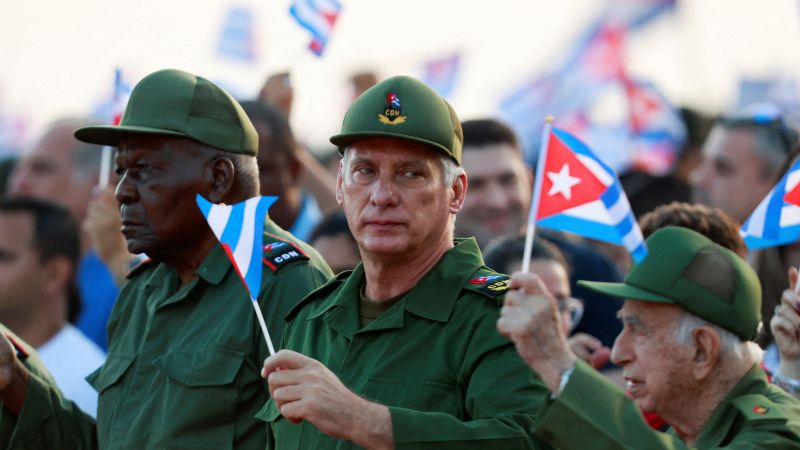
Trump Administration Targets Cuban President and Key Allies with New Sanctions
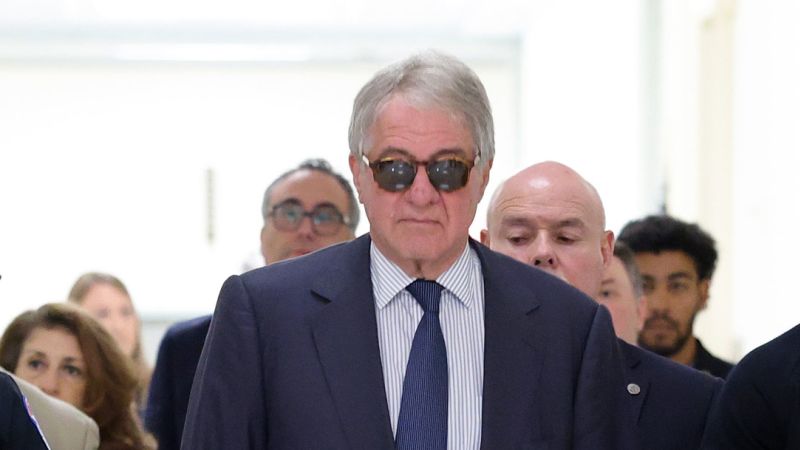
Trump administration imposes sanctions on Cuban – The U.S. government, under President Donald Trump, announced a series of sanctions targeting Cuban President Miguel Díaz-Canel on Thursday. This action aims to intensify economic pressure on the Cuban government and push it toward political reforms. The measures also include penalties against former President Raul Castro’s son and grandson, Díaz-Canel’s spouse and stepson, as well as the Ministry of the Revolutionary Armed Forces of Cuba. Additional entities linked to the Cuban regime, such as three other organizations and a mining project involving a Cuban-Australian venture, are also under scrutiny.
Sanctions as a Tool for Regime Change
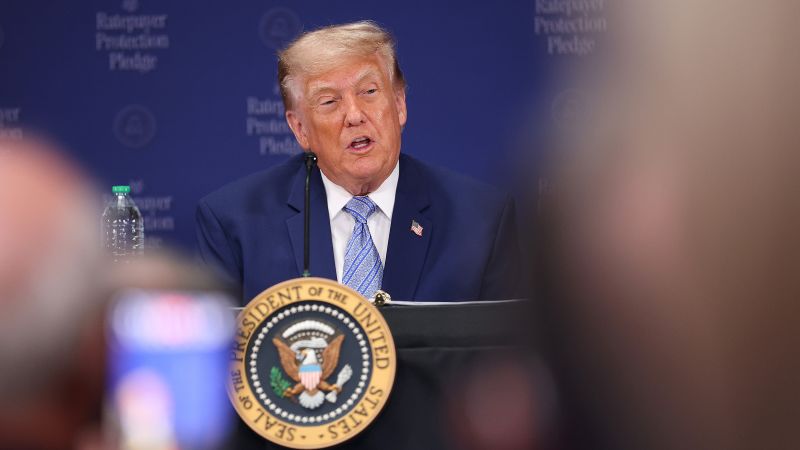
U.S. Secretary of State Marco Rubio stated that the sanctions are designed to counter the Cuban regime’s efforts to undermine American security. He highlighted that the targets are part of a broader strategy to weaken Havana’s political grip and destabilize its economic foundations. “These measures are intended to disrupt the network responsible for the regime’s aggressive campaigns against U.S. interests,” Rubio said in a written statement. The sanctions come as the Trump administration continues its campaign to cripple Cuba’s economy and force changes that could lead to regime replacement.
“Beginning with Fidel Castro’s program to globalize the so-called Marxist ‘revolution,’ Havana has served as a forward operating base for global irregular warfare against U.S. interests,” Rubio claimed. He further noted that the Cuban government recruits, trains, and equips left-wing militants across the region, including Marxist terrorist groups in the United States.
Alongside the sanctions, the Trump administration has maintained a prolonged oil embargo and indicted former Cuban leader Raul Castro. These combined tactics are seen as a way to isolate the Cuban government economically and politically. The U.S. government has also hinted at the possibility of military intervention, sending a military carrier to the Caribbean region as a show of force. This move underscores the administration’s readiness to escalate tensions if diplomatic efforts fail.
Response from Cuban Leadership
In response to the sanctions, Cuban President Miguel Díaz-Canel tweeted that the actions are meant to strengthen the existing blockade and increase friction between the two nations. “The aggressiveness and perversion of the U.S. government will clash with our determination to face the worst-case scenarios and resist the imperial onslaught,” he wrote in a post translated by the Cuban embassy in Washington. Díaz-Canel’s remarks reflect the Cuban leadership’s frustration with the ongoing pressure, framing it as an attempt to undermine their sovereignty and stability.
Secondary Sanctions and Economic Leverage
The sanctions also extend to secondary targets, threatening anyone who engages with Cuban entities controlled by GAESA, MINFAR, or the previously designated Ministry of the Interior. GAESA, the military conglomerate managing significant portions of Cuba’s economy, is a key focus of the U.S. strategy. The State Department issued a fact sheet warning that foreign financial institutions and companies providing services to these entities risk being penalized. “They should freeze those activities to avoid being caught in the crossfire of U.S. economic pressure,” the document added.
Rubio described the Cuban regime as a “subversive network” that perpetuates instability, emphasizing the need to target both its leaders and supporters. He argued that the administration is focused on dismantling the system that has long been associated with the suppression of democratic values and economic self-sufficiency. “The Trump Administration will continue to target the Cuban regime’s subversive network, those who enable its operations, and those who benefit from the suffering of the Cuban people,” he said, highlighting the multifaceted approach to the crisis.
Path to Democracy: Challenges and Opportunities
Despite the hardline stance, Rubio acknowledged the possibility of a negotiated path to democracy in Cuba. During a speech to lawmakers on Capitol Hill, he stated that the U.S. is “open to a situation where Cuba moves toward democratic reforms, prosperity, and normalcy.” However, he cautioned that this process is “challenging,” as the administration has yet to identify a Cuban counterpart akin to Delcy Rodriguez, the former Venezuelan official backed by the U.S. during the 2019 crisis.
“Cuba has not produced an individual who is as willing to engage in a transition as Delcy Rodriguez was in Venezuela,” Rubio said. He suggested that countries like the Czech Republic and Poland could serve as models for Cuba, where institutions were preserved to maintain stability and ensure the longevity of political projects. “There are technocrats within the Cuban system who might be open to collaboration,” he noted, though the higher echelons of power remain ideologically resistant to change.
Rubio also pointed out that while some Cuban officials recognize the unsustainability of the current system, they have not yet aligned themselves with U.S. goals. “There are clearly individuals within the power structure who understand that what they have now needs to be reformed,” he said. However, when asked if a “Delcy number two” exists in Cuba, he admitted that no such figure has been identified. “If you’re asking for a singular leader who can guide this transition from start to finish, I can’t provide that name yet,” Rubio confessed, revealing the administration’s cautious optimism.
Historical Context and Future Implications
This latest round of sanctions builds on a long history of U.S.-Cuba tensions, dating back to the Cuban Revolution in 1959. The Trump administration has intensified these efforts, leveraging economic tools to pressure the Cuban government. While the sanctions focus on key figures and institutions, they also aim to cut off funding and support for the regime’s radical actions. The oil blockade, which has been in place since 1960, remains a cornerstone of this strategy, further straining Cuba’s already fragile economy.
Analysts suggest that the administration’s approach combines both carrot and stick methods. By offering the prospect of a negotiated settlement, it encourages Cuban officials to consider reforms, even as it threatens severe consequences for those who resist. This dual strategy reflects a broader goal: to weaken the Cuban government’s ability to maintain its current structure while creating space for alternative leadership to emerge.
The Cuban government, meanwhile, has remained resolute, framing the sanctions as an extension of U.S. imperialism. Díaz-Canel’s statement underscores the belief that the pressure will only harden Cuban resolve. “We are determined to face the worst-case scenarios and resist the imperial onslaught,” he reiterated, signaling the regime’s commitment to maintaining control despite external challenges.
As the Trump administration continues its campaign, the focus on Cuban allies and institutions raises questions about the long-term effectiveness of these measures. While the sanctions aim to disrupt the regime’s operations, their success will depend on whether they can isolate key actors and create enough pressure to force a political shift. The Cuban government’s response, however, suggests that the struggle for influence will persist, with both sides vying for control over the island’s future.
The updated story highlights the evolving nature of the U.S.-Cuba standoff, emphasizing the administration’s determination to use every tool available to achieve its objectives. With the specter of military action still present and the sanctions targeting a wide network of allies, the situation remains highly volatile. The coming weeks will likely determine whether this approach can lead to the desired changes or if it will deepen the divide between the two nations.