
Supreme Court rejects Big Pharma appeals challenging negotiated drug prices in Medicare
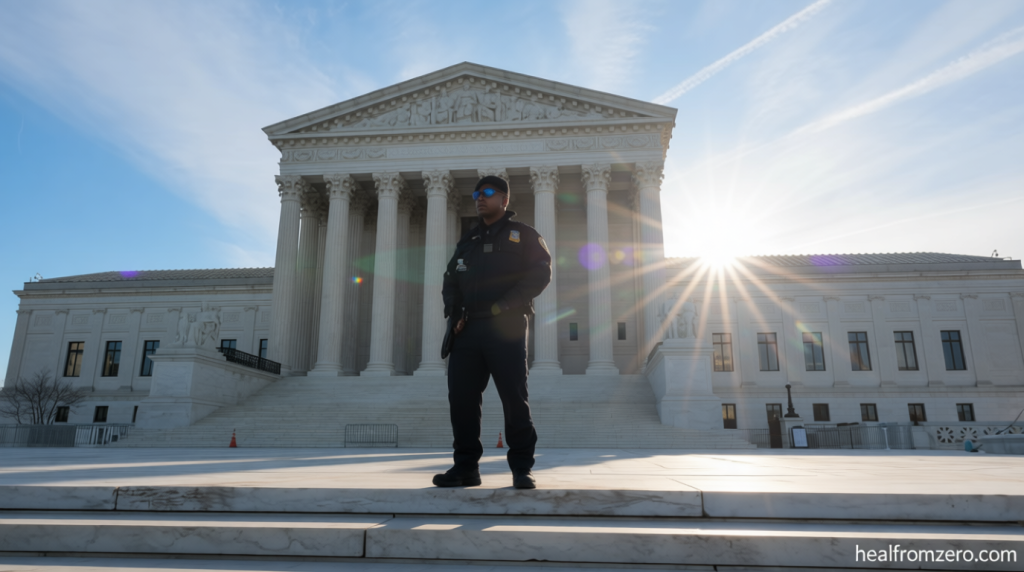
Supreme Court Rejects Big Pharma Appeals Over Medicare Drug Pricing
Landmark Ruling Strengthens Medicare’s Cost-Controlling Measures
Supreme Court rejects Big Pharma appeals – The U.S. Supreme Court on Monday dismissed appeals by major pharmaceutical firms, affirming the government’s authority to negotiate drug prices under Medicare. This decision maintains the validity of the 2022 Inflation Reduction Act’s provision, which empowers the federal health agency to secure lower costs for a range of high-priced medications. With no detailed explanation provided, the ruling effectively solidifies the program’s framework, allowing Medicare to proceed with its plan to reduce prescription drug expenditures. While some legal battles remain unresolved, the court’s stance marks a significant win for the policy’s supporters, who argue it will deliver billions in savings.
Pharmaceutical Industry Challenges Federal Negotiation Authority
Big Pharma companies, such as AstraZeneca and Janssen, had contested the program by claiming it violates their rights. They argued that the negotiation process forces them into “sham agreements” and denies them due process, while also asserting that it restricts their ability to communicate pricing strategies freely. Despite these claims, lower courts rejected them, noting that Medicare participation is optional. Companies can withdraw from the program, though doing so would mean forgoing access to millions of patients and incurring additional financial liabilities. The Supreme Court’s rejection of these appeals reinforces the law’s constitutionality.
The 2022 law’s Medicare drug pricing initiative has already begun yielding tangible results. The first round of negotiations, which focused on ten medications, generated $6 billion in federal savings and lowered out-of-pocket costs for seniors by $1.5 billion. Drugs like Farxiga and Eliquis, both critical for managing chronic conditions, saw substantial price reductions, with Farxiga receiving a 68% discount. These early successes set the stage for the upcoming third round, which is expected to expand the list of covered medications and increase cost savings. The program’s proponents highlight its potential to stabilize healthcare spending for both the government and beneficiaries.
Legal Arguments Targeted Fifth Amendment Rights
Drugmakers and their allies have persisted in legal battles, citing constitutional concerns. They argued that the program constitutes an unconstitutional “taking” under the Fifth Amendment, claiming the government seizes their property without adequate compensation. However, federal courts have consistently ruled against these claims, emphasizing that the law provides a fair process for companies to challenge negotiated prices. Legal experts like Twinamatsiko, a scholar at Georgetown University’s O’Neill Institute, noted that the industry’s arguments lacked strong legal foundation, with the courts uniformly supporting the program’s legitimacy.
As the third round of negotiations approaches, the focus shifts to expanding the program’s scope. This phase will likely include more medications, further testing the legal and political resilience of the initiative. Critics remain skeptical, questioning the transparency of the negotiation process and its impact on drug innovation. Yet, the Supreme Court’s stance provides clarity, ensuring that the program can continue without interruption. With the government’s position now reinforced, the next steps will center on implementing the new pricing structure and monitoring its effects on healthcare affordability.
“The industry’s claims were weak in law,” said Twinamatsiko, who co-authored an article in Health Affairs in March. “Federal courts have decisively ruled that the program does not infringe on constitutional rights, leaving no doubt about its legality.”
The ruling underscores the Supreme Court’s role in upholding the 2022 law, which has been a cornerstone of efforts to curb escalating healthcare costs. By rejecting appeals from Big Pharma, the court affirms that Medicare’s price negotiation mechanism is a valid tool for fiscal responsibility. As the program advances, its impact on seniors and the federal budget will continue to be a focal point in political and economic discourse. The decision also sets a precedent for future challenges, strengthening the program’s position in the legal landscape. With the appeals dismissed, the path forward for Medicare’s cost-saving strategy remains clear and unobstructed.