
Man accused of shooting two National Guard members hospitalized after refusing to eat in jail
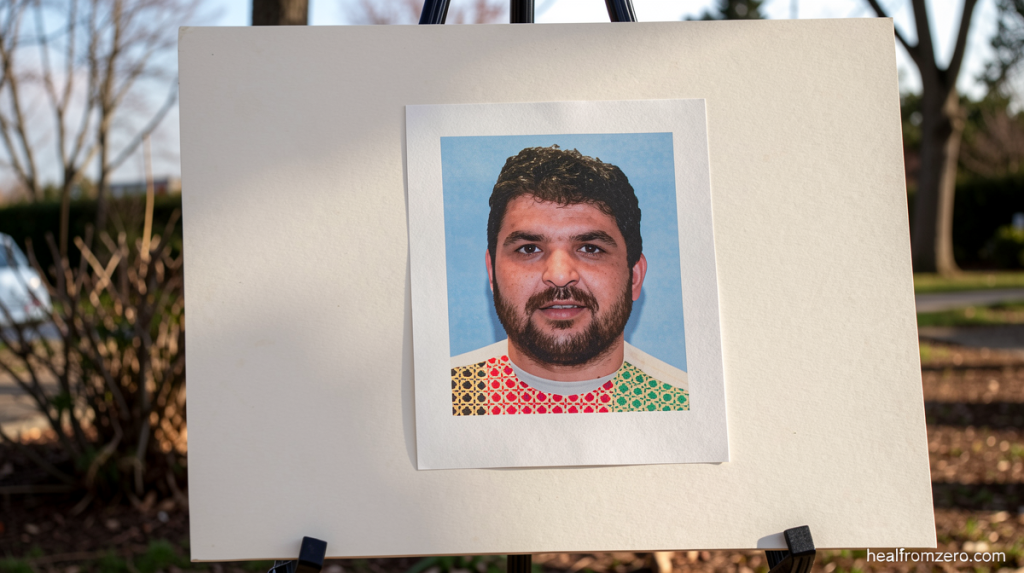
Defendant in National Guard Shooting Hospitalized Amidst Refusal to Consume Food and Water
Health Crisis Develops as Trial Approaches
Man accused of shooting two National – Rahmanullah Lakanwal, the individual facing multiple charges for allegedly attacking two National Guard personnel in the nation’s capital, has been transferred to a medical facility following his persistent refusal to eat. The incident occurred in Washington, DC, during 2025, resulting in the death of one officer and serious injury to another. According to court documents and statements from legal representatives, Lakanwal was admitted to George Washington University Hospital precisely at midnight on Thursday evening.
Prosecutors indicated that they had received notification from the US Marshal Service approximately two weeks prior regarding concerns about the defendant’s general wellbeing. These concerns have now materialized into a significant medical situation that has prompted an emergency judicial hearing. During this proceeding, DC federal Judge Amit Mehta provided detailed observations about Lakanwal’s deteriorating condition.
“Mr. Lakanwal’s health circumstances,” Mehta stated during the hearing, “is in some sense self-inflicted.”
The judge further elaborated that Lakanwal’s health has “deteriorated quite substantially” over recent days. According to court records, the defendant has been consistently refusing food and has occasionally declined to drink water as well. This pattern of behavior has raised serious concerns among medical professionals and legal authorities alike regarding the potential consequences for the defendant’s health.
Legal Proceedings and Medical Documentation
During the emergency hearing, Judge Mehta authorized prosecutors access to Lakanwal’s medical records covering the previous twenty-four hours. These documents, which have been maintained under seal, are expected to provide crucial information that will guide the prosecution’s strategy moving forward. The medical documentation will help legal teams determine whether additional measures may be necessary to ensure the defendant receives adequate care while maintaining the integrity of the judicial process.
Lakanwal initially entered a plea of not guilty to all nine charges brought against him in February. These charges include first-degree murder, among other serious offenses related to the attack. The defendant traveled from Washington state to the capital city in late November of 2025, shortly before the alleged ambush of the two National Guard officers.
Victims and Perpetrator Background
The attack claimed the life of Sarah Beckstrom, who sustained a gunshot wound to the back of her head. She was pronounced dead the day following the incident. Her colleague, Andrew Wolfe, survived the assault despite sustaining injuries during the confrontation. Both women were serving as National Guard members at the time of the shooting.
“Lakanwal has refused food and sometimes water,” the court noted during proceedings.
Lakanwal brings a substantial background to these proceedings. He worked with the Central Intelligence Agency for more than ten years while stationed in Afghanistan before the United States military concluded its withdrawal from the country. His extensive experience in the region and his subsequent arrival in the United States in 2021 provide important context for understanding his presence in Washington, DC.
Future Legal Actions
The Justice Department has announced its intention to pursue the death penalty against Lakanwal for his alleged actions. This decision reflects the severity of the charges and the tragic outcome of the incident. As the legal process continues, the defendant’s health situation remains a matter of ongoing concern for all parties involved. The medical records that have been made available to prosecutors will play a critical role in determining how the case proceeds, particularly regarding any potential delays or accommodations that may be necessary due to Lakanwal’s condition.
The intersection of criminal justice and medical care continues to be a focal point as the case moves toward trial. Legal experts suggest that the court will need to balance the defendant’s right to adequate medical treatment with the need to maintain timely proceedings. The situation underscores the complex nature of high-profile criminal cases where health concerns may impact multiple aspects of the judicial process.