Judge says Trump DOJ subpoenas of Tim Walz and other Democrats are unconstitutional

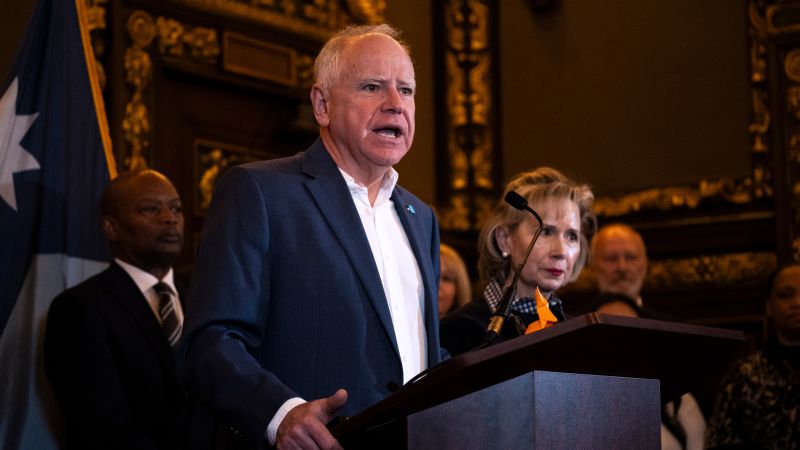
Judge Rules Trump DOJ Subpoenas Unconstitutional
Judge says Trump DOJ subpoenas of Tim – A federal judge has declared the Justice Department’s subpoenas targeting Minnesota Governor Tim Walz and other Democratic officials unconstitutional, marking a pivotal moment in the ongoing legal battle over federal oversight of state immigration policies. The decision by District Judge Patrick Schiltz, appointed by former President George W. Bush, invalidates the DOJ’s attempt to compel these officials to produce documents related to their resistance against the Trump administration’s immigration enforcement strategies. This ruling underscores growing concerns about the use of subpoenas as a political tool, rather than a legitimate means of gathering evidence.
Subpoenas as a Political Tool
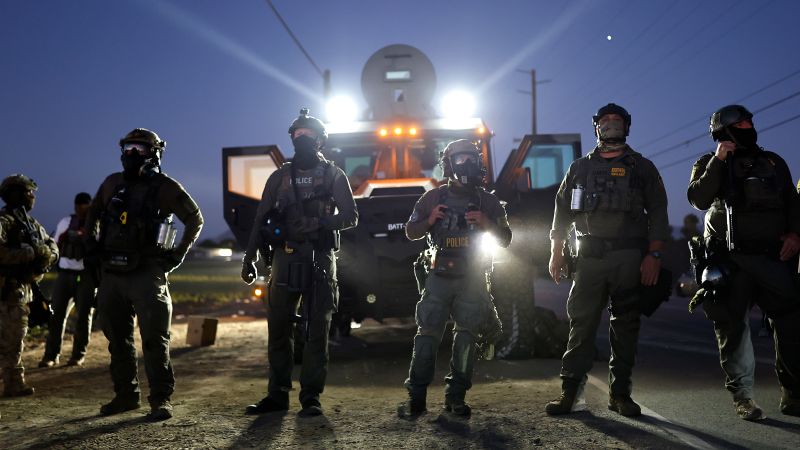
The DOJ’s legal action was centered on its claim that state officials had obstructed federal immigration efforts during the Trump administration’s surge in the Twin Cities. However, Judge Schiltz argued that the subpoenas were not part of a valid investigation but were instead designed to pressure officials into aligning with federal policies. He stated the Department’s tactics aimed to intimidate leaders who had publicly opposed the aggressive enforcement approach, which included deploying hundreds of agents to detain undocumented immigrants. “The subpoenas are a means of coercion,” the judge wrote, emphasizing their political motivation.
“The Department of Justice is not conducting a criminal inquiry but is using the subpoena process to achieve political ends,” Schiltz noted in his 30-page ruling. He highlighted that the DOJ had failed to establish a clear legal justification for the subpoenas, instead leveraging them to target individuals who had voiced concerns about the Trump administration’s immigration policies.
Immigration Crackdown Context
During the Trump administration’s immigration surge, over 4,000 undocumented immigrants were arrested in Minnesota alone, according to the Department of Homeland Security. This operation, which involved mass arrests and increased federal presence, sparked public outcry and criticism from state leaders. They argued that the aggressive tactics disproportionately affected local communities and threatened civil rights. In response, Trump accused Democratic officials of obstructing immigration enforcement, leading to the DOJ’s investigation into their actions.
The subpoenas sought information on how state and local leaders had resisted the administration’s efforts to expand immigration enforcement. Critics of the DOJ’s approach claim the investigation was a way to silence officials who opposed the policies, rather than a genuine effort to uncover obstruction. “The DOJ is using these subpoenas to force compliance with federal immigration goals,” one legal analyst observed, adding that the ruling could set a precedent for limiting executive overreach.
Constitutional and Legal Challenges
Judge Schiltz’s decision focuses on the constitutional limits of federal authority. He contended that the DOJ’s actions violated the principle of state autonomy, as Minnesota officials had the right to decide how to allocate resources for immigration enforcement. The ruling also questions the DOJ’s use of grand jury procedures to target political opponents, suggesting a pattern of using legal tools for political gain. “This case exemplifies the Trump administration’s tendency to weaponize federal law enforcement,” the judge wrote, highlighting the broader implications for constitutional governance.
Legal experts point out that the ruling aligns with similar challenges to the DOJ’s tactics in recent years. The decision adds to a growing list of cases where federal judges have scrutinized the agency’s motives, particularly in political investigations. By voiding the subpoenas, Schiltz’s ruling could embolden state officials to resist federal pressure, reinforcing the importance of checks and balances in the U.S. government.
Political Reactions and Implications
Minnesota Governor Tim Walz hailed the ruling as a victory against political intimidation, calling it “a significant step toward protecting state autonomy.” He and other Democratic leaders argued the DOJ’s subpoenas were an overreach, using federal law to silence officials who had stood up for local priorities. Meanwhile, Trump’s allies have criticized the decision, claiming it weakens federal authority and undermines immigration enforcement efforts.
Legal analysts suggest the ruling could have broader ramifications, potentially reshaping how federal agencies conduct investigations into state officials. It also raises questions about the balance of power between the executive and legislative branches, as well as the role of judicial oversight in political conflicts. As the case moves forward, the decision may influence similar lawsuits against the DOJ, with the focus keyword “Judge says Trump DOJ subpoenas” likely to play a central role in legal discussions and media coverage.