
How Trump has misjudged Iran
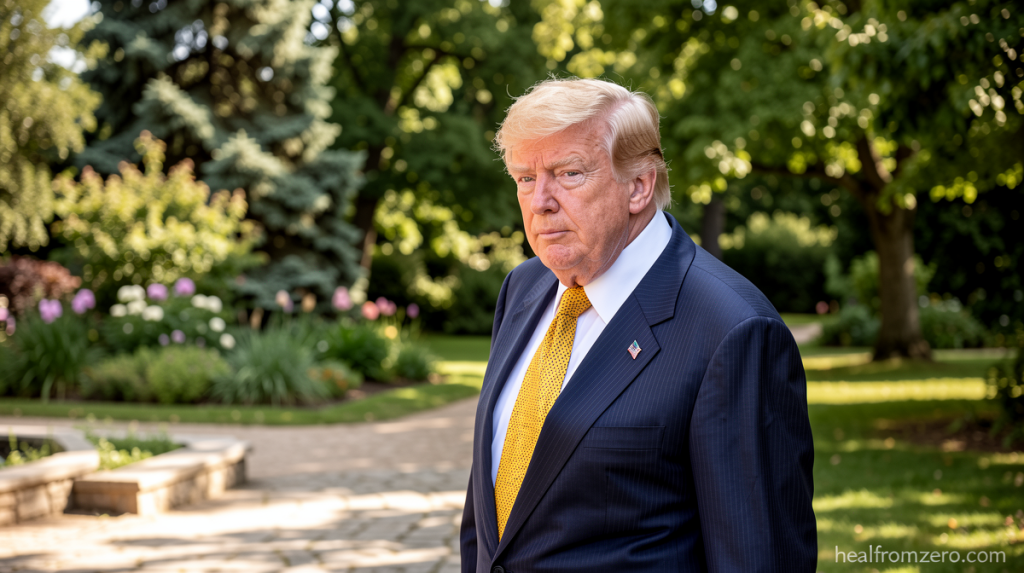
How Trump Has Misjudged Iran: A Strategic Reassessment of Tehran’s Intentions
How Trump has misjudged Iran becomes increasingly evident as new details emerge about his shifting approach to Persian Gulf diplomacy. Just weeks apart, President Donald Trump delivered two starkly different assessments of Iran’s leadership. On June 16, he characterized the nation’s officials as “very rational people” who proved “nice to deal with,” adding confidence that they were “not radicalized.” By Wednesday, however, his tone had shifted dramatically. Standing at a NATO summit in Turkey, Trump labeled Iran’s leaders “cuckoo,” “evil” and “sick,” while also calling them “dirty players” and “scum.”
“They violate the agreement every day,” Trump declared. “They lie. They cheat.”
This sharp reversal comes as the fragile truce between Washington and Tehran faces renewed threats. Following Iran’s targeting of three vessels in the Strait of Hormuz and subsequent American military strikes, the president went so far as to announce the ceasefire was “over.” Yet in previous statements, Trump has expressed optimism about reaching a lasting peace arrangement.
A Pattern of Misreading the Situation
Some observers initially interpreted Trump’s earlier favorable comments as mere diplomatic flattery during intense negotiations—a tactic not entirely unfamiliar. However, examining Trump’s broader track record regarding the Iran conflict reveals a more troubling pattern. He appears to have fundamentally misunderstood both his adversary’s true intentions and his own bargaining power, repeatedly allowing Tehran to manipulate the timeline.
This approach has postponed any definitive resolution for approximately three months, dating back to Trump’s April 7 announcement of the initial ceasefire. The timing carries significant political weight, as the situation now approaches the 2026 midterm elections for the Republican Party. Those upcoming contests complicate Trump’s ability to escalate tensions and resume full-scale hostilities.
“I got to know them,” Trump explained when asked what had altered his perspective on Wednesday.
Despite acknowledging his evolving understanding, Trump seems to have consistently bet that Iran remained close to reaching an agreement. He believed modest rhetorical concessions and additional time could push his counterparts across the finish line—only to discover repeatedly that his calculations were flawed.
Bluffs Exposed and Provocations Ignored
One of the clearest indicators of Trump’s miscalculation involves his threats of severe consequences. Time and again, he warned Iran of dire outcomes should they fail to meet his requirements. Nearly every instance, however, those warnings proved to be empty gestures. While Trump frequently claimed he was stepping back because negotiations were nearing completion, no enduring agreement has emerged.
Iran likely interpreted this pattern as evidence that Trump lacked the resolve to follow through. The administration also insisted that Tehran was “begging for a deal” as early as March 31, yet Iran’s behavior suggested otherwise. Disputes over the ceasefire’s precise terms emerged almost immediately, with violations occurring with regularity.
When announcing the April truce, Trump emphasized it required “the COMPLETE, IMMEDIATE, and SAFE OPENING of the Strait of Hormuz.” That condition never materialized, yet Trump continued pursuing the arrangement. Iran compounded the situation with calculated provocations designed to test American determination. The administration consistently minimized these actions, arguing they did not technically breach the agreement.
Even in May, when Tehran fired upon American vessels attempting to navigate ships through the strait, Pentagon officials maintained the incident fell below the “threshold” for a ceasefire violation. Defense Secretary Pete Hegseth further argued that American operations in the region constituted a separate endeavor entirely.
The Current Stalemate
Provocations have persisted even after a more comprehensive agreement was reached last month, documented through a written memorandum of understanding. Notably, this MOU already favored Iranian positions considerably, prompting criticism from numerous Republicans. The administration attempted to minimize the document’s significance, suggesting it did not capture the complete scope of arrangements.
Disputes continue regarding the MOU’s actual meaning. Despite receiving what appears to be a generous temporary settlement, Iran remains focused on controlling the Strait of Hormuz rather than embracing the agreement fully.