Alabama urges US Supreme Court to bring back GOP-friendly House map for midterm elections

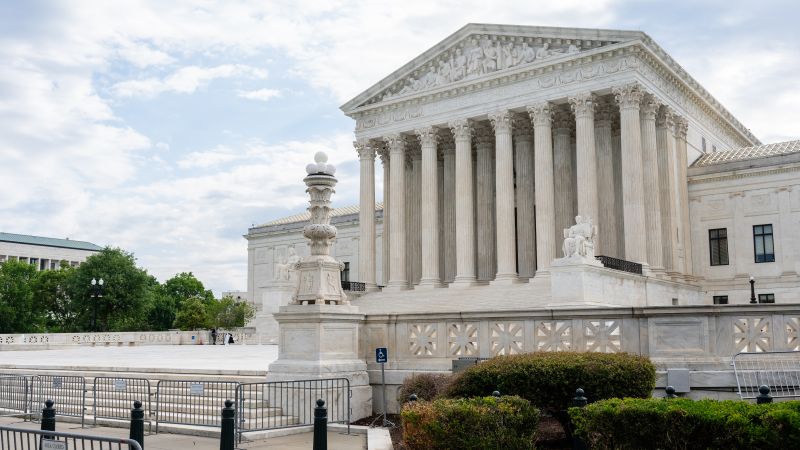
Alabama Urges U.S. Supreme Court to Reintroduce GOP-Friendly House Map for Midterms
Alabama urges US Supreme Court to bring – Alabama has formally petitioned the U.S. Supreme Court to approve a congressional district map that aligns with Republican interests, aiming to reshape the outcome of the 2026 midterm elections. The state’s request comes as a pivotal moment in the ongoing debate over redistricting, with officials arguing that the current map, which they claim is legally valid, could bolster Republican representation. This appeal has drawn significant attention, as it not only reflects Alabama’s strategy to influence electoral results but also underscores the broader implications of the Supreme Court’s role in redistricting decisions.
Legal Challenges and Voting Rights Concerns
The appeal follows a federal three-judge panel’s rejection of Alabama’s map, which was found to systematically dilute the voting power of Black residents. Critics, including civil rights organizations, argue that the plan intentionally creates barriers for minority voters, undermining the principles of fair representation. Alabama officials, however, maintain that the map is compliant with updated legal standards, particularly after the Supreme Court’s recent ruling in Louisiana v. Callais reshaped the landscape of redistricting law.
“Alabama’s map adheres to the law and ensures electoral fairness for all citizens,” the state asserted in its legal filing. “The district court’s decision to block it was premature and inconsistent with the Supreme Court’s new interpretation.”
By invoking the Callais ruling, Alabama seeks to justify its plan as a necessary adjustment to secure representation in the House of Representatives. The decision in Callais, which weakened protections under the Voting Rights Act, has emboldened states like Alabama to push for maps that favor their political party. This case has become a focal point for the national redistricting debate, highlighting the tension between state autonomy and federal oversight of voting equity.
Political Strategy and Legal Precedents
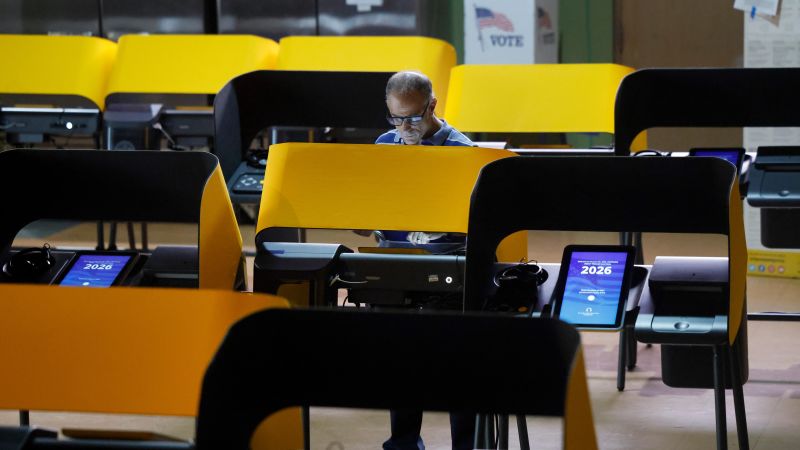
Alabama’s legal strategy relies on the Purcell principle, which suggests that changes to voting rules close to an election can disrupt voter confidence. The state argues that the existing map, which was used in the 2024 elections, is no longer optimal for the upcoming midterms, prompting a request for the Supreme Court to revisit its constitutionality. While the state already held primary elections earlier this month, Republican Governor Kay Ivey has authorized August special elections for districts affected by the new map, should the court grant its request.
Historically, Alabama has faced scrutiny over its redistricting practices, with the Supreme Court previously mandating a redraw of districts to create a Black-majority area. The 2023 decision marked a turning point, as it confirmed the state’s original map likely violated the Voting Rights Act. Alabama’s current appeal builds on this legacy, framing the Callais ruling as a catalyst for restoring its political advantage in the House.
“The Callais decision provides a clear path for Alabama to reestablish a map that reflects the state’s current political landscape,” legal experts noted. “This move could have far-reaching effects on the balance of power in the midterm elections.”
Broader Implications for Electoral Dynamics
The outcome of Alabama’s appeal carries national significance, as it could influence the strategy of other states seeking to implement similar maps. With the Supreme Court’s conservative majority, the ruling may set a precedent for reducing federal oversight of redistricting, allowing states greater freedom to tailor their electoral boundaries. This shift could empower Republicans to consolidate power in key districts, potentially affecting the overall composition of Congress.
Alabama’s push for a GOP-friendly map also reflects the broader political climate. As midterm elections approach, the state’s leaders are positioning themselves to maximize influence, leveraging the Supreme Court’s recent rulings to justify their actions. The case has sparked discussions about the role of judicial decisions in shaping electoral outcomes, with critics warning that the trend could erode voting rights protections for marginalized communities.
“The Supreme Court’s stance on redistricting is reshaping the electoral landscape,” said a political analyst. “States like Alabama are now emboldened to pursue maps that favor their party’s interests, regardless of minority representation.”
Public Reaction and Legal Uncertainty
The legal battle has divided public opinion, with supporters praising Alabama’s efforts to align the map with state demographics and opponents condemning it as a deliberate attack on voting equity. While the state emphasizes that its map is compliant with the Callais ruling, critics argue that the decision merely shifts the burden of proof, making it easier for states to justify discriminatory redistricting. This uncertainty has raised concerns about the long-term impact on democratic processes and the fairness of future elections.
As the Supreme Court prepares to review Alabama’s case, the political stakes remain high. The ruling could determine not only the state’s representation in the House but also set a legal standard for redistricting across the country. With the 2026 midterms fast approaching, the decision may shape the trajectory of the U.S. Congress, depending on how the justices interpret the balance between state rights and federal protections in voting equity cases.