
What older adults need to know before taking a GLP-1 medication to lose weight
What Older Adults Need to Know About GLP-1 Medications for Weight Loss
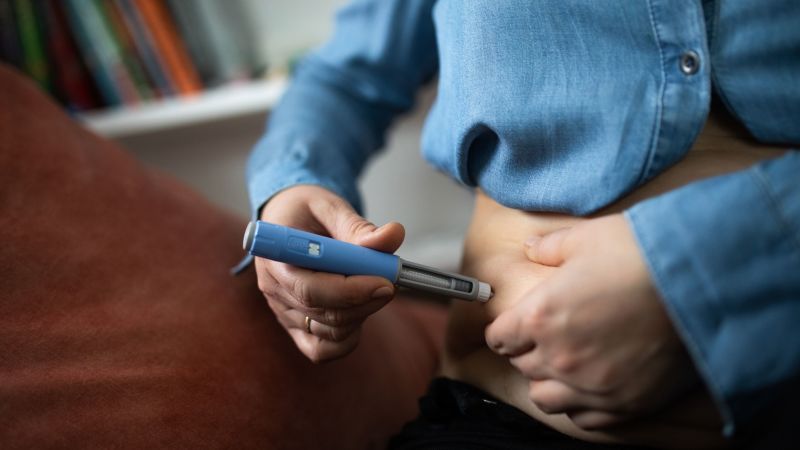
What older adults need to know – As the healthcare landscape evolves, older adults are increasingly being encouraged to consider GLP-1 medications for weight management. These drugs, originally developed for diabetes treatment, have shown promise in helping seniors achieve significant weight loss. For example, Barbara Senich, a 69-year-old retiree, once struggled with obesity, reaching 340 pounds despite her height of 5’11”. Through multiple attempts at weight loss via diet and bariatric surgery, she managed to drop to 185 pounds but faced recurring challenges. Five years ago, Senich’s journey took a new turn with the addition of three medications: Zepbound (a GLP-1 drug), metformin, and Contrave. Today, she maintains a weight of around 137 pounds, a figure she hasn’t seen since her teenage years, and is finally able to wear her favorite white pants—a small but meaningful victory.
Medicare’s New Access to GLP-1 Weight-Loss Treatments
Starting July 1, Medicare will offer coverage for GLP-1 medications, marking a significant shift for older adults seeking weight loss options. The Medicare GLP-1 Bridge Program, a temporary federal initiative, allows beneficiaries to access semaglutide (Wegovy), tirzepatide (Zepbound), and orforglipron (Foundayo) at a reduced cost of $50 per month for pill or injectable forms. While this is a welcome development, some like Senich still manage expenses through manufacturer programs such as LillyDirect. Her Medicare drug plan does not yet cover weight-loss medications, though the Bridge program’s expansion could change that in the future.
“This is the thing that’s been the miracle for me, is the maintenance,” Senich remarked, underscoring how GLP-1 drugs have transformed her approach to weight management. What older adults need to know is that these medications can be a game-changer, especially when combined with lifestyle adjustments.
The Bridge Program is designed to evaluate whether GLP-1 drugs can improve health outcomes and reduce costs for seniors. Although Medicare is legally restricted from covering medications solely for weight loss, the U.S. Centers for Medicare and Medicaid Services (CMS) argues that obesity’s role in conditions like heart disease, cancer, and diabetes justifies this exception. The initiative serves as a critical step in assessing the long-term benefits of GLP-1 treatments for aging populations, with results shaping future coverage decisions.
GLP-1 Drugs and Their Impact on Senior Health
A recent study highlights the effectiveness of GLP-1 medications for older adults, demonstrating results comparable to younger patients. Researchers analyzed data from 358 individuals aged 65 and above who participated in trials of semaglutide. The findings revealed that seniors lost an average of 15.5% of their body weight, nearly matching the 15.6% loss observed in younger adults. This suggests that GLP-1 drugs are not only effective but also well-tolerated, challenging previous assumptions about their suitability for older populations.
Dr. John Batsis, a geriatrician and nutritionist, advises that while GLP-1 drugs are promising, what older adults need to know is that individual health factors must be considered. “Just because you can doesn’t mean you should,” he said, emphasizing the importance of evaluating risks and benefits. The study also noted improvements in metabolic health and a reduced risk of obesity-related complications, reinforcing the potential of these medications as a comprehensive solution for seniors.
Obesity rates among older adults have surged since the 1980s, with the CDC reporting that roughly 40% of seniors are classified as obese. This trend highlights the growing burden of weight on aging populations, contributing to chronic inflammation, joint pain, and increased risks of heart disease, diabetes, and dementia. Even modest weight loss can yield substantial benefits, such as improved mobility and better management of age-related conditions. What older adults need to know is that GLP-1 medications offer a new tool to tackle these challenges, but should be part of a holistic strategy that includes diet, exercise, and regular medical check-ups.