
Medicare will start covering weight-loss drugs on July 1 for the first time. Here’s what you need to know
Medicare Weight-Loss Drug Coverage Launches July 1
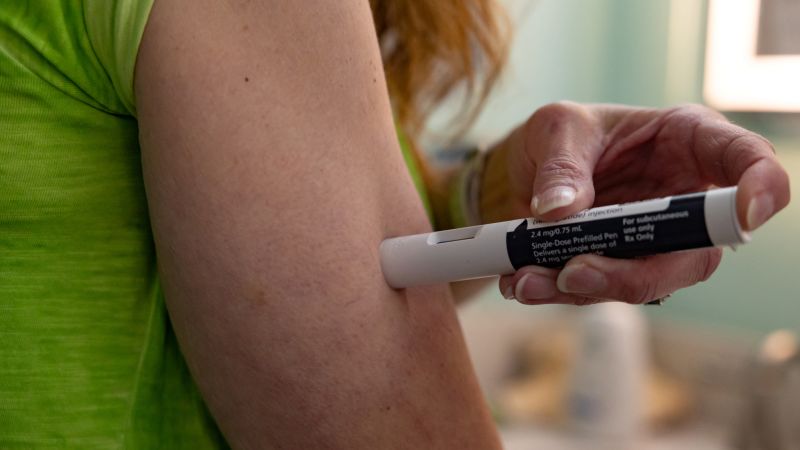
Medicare will start covering weight loss – Starting July 1, Medicare beneficiaries will have access to weight-loss medications for the first time, thanks to a new temporary pilot program. This initiative, known as the Medicare GLP-1 Bridge, introduces coverage for GLP-1 receptor agonists, a class of drugs proven to aid in weight management. The move addresses long-standing calls to treat obesity as a chronic condition, enabling millions to afford these medications at a reduced cost. The program is designed to test the integration of such treatments into Medicare’s framework, potentially leading to permanent inclusion.
Eligibility and Health Criteria
Not all Medicare enrollees will qualify for the weight-loss drug coverage. Participants must meet specific health criteria, including a body mass index (BMI) of 35 or higher, which classifies them as having severe obesity. Those with a BMI between 30 and 35 may also qualify if they have at least one comorbid condition, such as uncontrolled high blood pressure, heart disease, or chronic kidney disease. The program excludes individuals with type 2 diabetes, moderate to severe sleep apnea, or fatty liver disease, as these conditions often have separate coverage pathways.
Financial Impact and Access
For many seniors, the financial burden of weight-loss drugs has been significant. Under the pilot program, the cost of medications like tirzepatide and Wegovy is drastically reduced, making them more accessible. This shift is expected to alleviate strain on household budgets, particularly for those reliant on Social Security or limited pensions. The affordability of these drugs could enable beneficiaries to manage their health without sacrificing other essential expenses, such as groceries or home maintenance.
Testimonials from participants highlight the transformative potential of the program. Mary Abrahamson, a 71-year-old from rural Washington, shared how the drugs helped her overcome health challenges, including sleep apnea, by improving energy levels and reducing weight. Her husband, Jeff, 77, also noted the positive effects, emphasizing that the financial relief allows them to invest in lifestyle improvements, such as a new riding lawn mower or updated water systems. These personal stories underscore the broader impact of the program on quality of life.
Pharmaceutical Partnerships and Policy Flexibility
The pilot program’s success hinges on agreements between the Trump administration and pharmaceutical companies Eli Lilly and Novo Nordisk. These collaborations have led to lower prices for Wegovy and Zepbound, which are now available at a fraction of their original cost. Medicare’s ability to cover weight-loss drugs stems from its flexibility to conduct short-term demonstration projects, a policy tool that allows testing of new coverage models before permanent changes. This initiative sets a precedent for future healthcare innovations under the program.
Expert Endorsements and Future Prospects
Obesity specialists have praised the program for its timely introduction. Dr. Catherine Varney, an obesity medicine director at the University of Virginia, called it a “game-changer,” noting that patients with multiple risk factors for heart disease can now access affordable treatments. The program is expected to expand its reach as data from the pilot is analyzed, potentially leading to broader Medicare coverage for weight-loss drugs. This could signal a new era in addressing obesity as a public health priority.
As the program begins, healthcare providers and advocates are closely monitoring its outcomes. The initiative not only provides immediate relief for patients but also serves as a model for how Medicare can adapt to evolving medical needs. With obesity rates rising and the demand for effective treatments growing, the GLP-1 Bridge program represents a critical step toward making weight management more accessible for seniors. Its long-term success will depend on how well it balances cost, accessibility, and health outcomes.